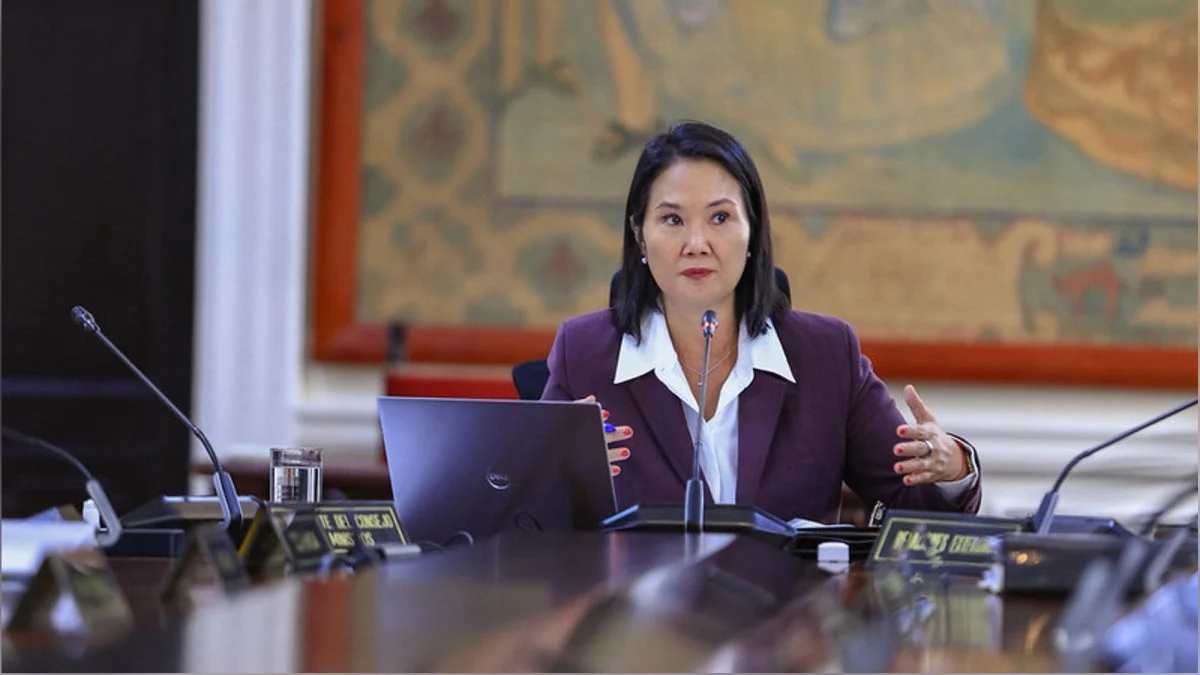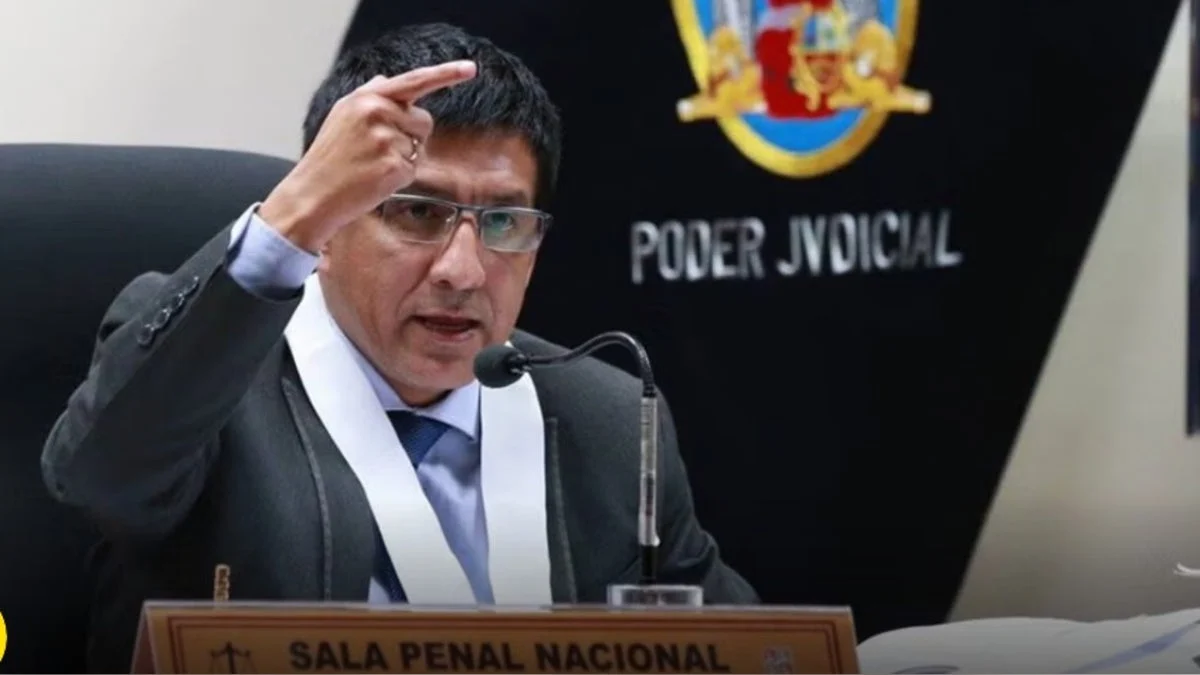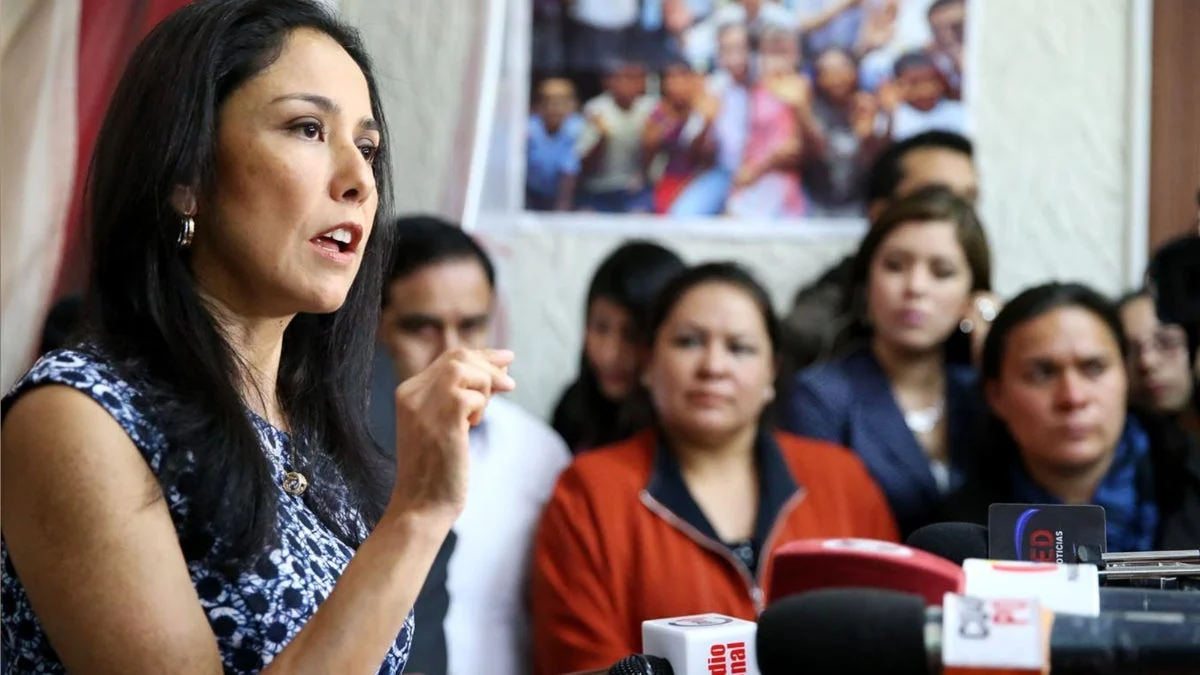
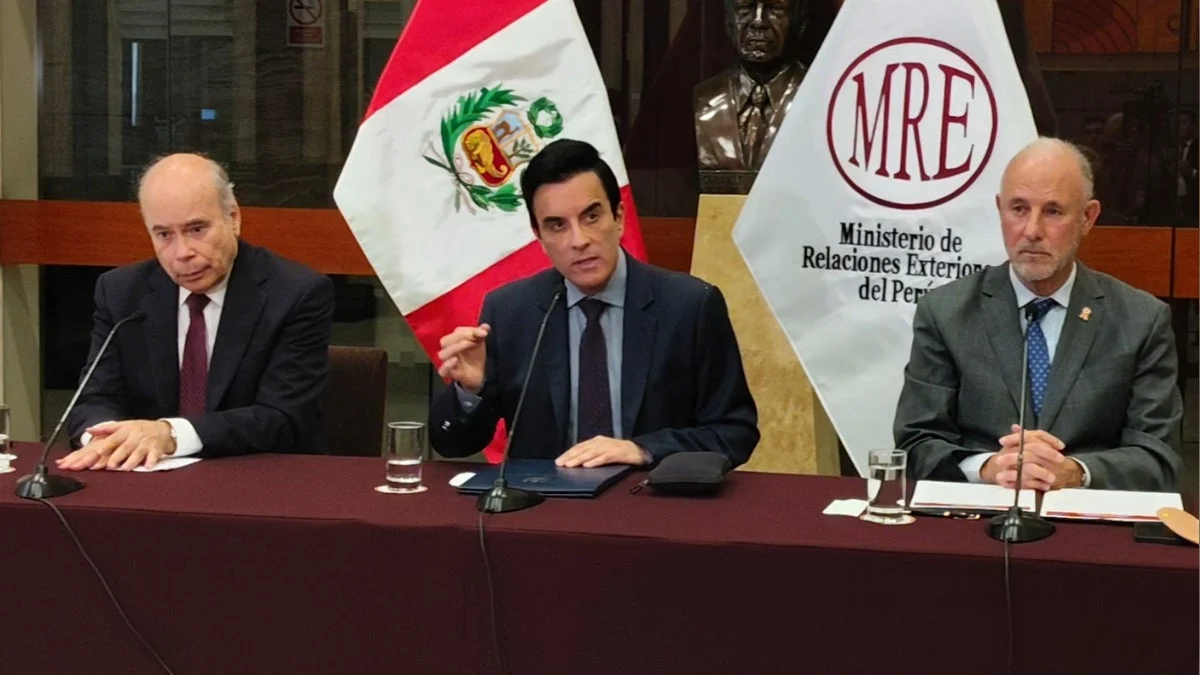
In a significant move aimed at strengthening its international footprint, the Peruvian government has doubled down on its recent diplomatic appointments, specifically defending the selection of former congressman Carlos Tubino as the new Ambassador to Argentina. Concurrently, the administration has officially unveiled the candidacy of former Foreign Minister Javier González-Olaechea for the position of Director General of the International Labour Organization (ILO).
Minister of Foreign Affairs Carlos Erasmo Reyna (referred to as Carlos Espá in initial reports) addressed these developments this week, emphasizing that Peru’s diplomatic strategy is grounded in both legal compliance and a focus on merit-based professional backgrounds. As the country navigates a complex geopolitical landscape, these moves signal an effort by the administration of President Dina Boluarte to balance political representation with professional institutionalism.
The Appointment of Carlos Tubino: A Strategic Pivot to Buenos Aires
The appointment of Carlos Tubino, a former legislator associated with the Fuerza Popular party, to lead Peru’s diplomatic mission in Argentina has sparked considerable public interest. Given the ideological shifts in the Argentine government under President Javier Milei, the selection of an experienced political figure like Tubino is seen as a move to bridge traditional diplomatic protocols with modern political alignment.
Strengthening Ties with the Milei Administration
Foreign Minister Espá confirmed that the Argentine government received the designation of Tubino with "great pleasure." According to the Minister, the bureaucratic process for such a high-level appointment was remarkably swift. "In the case of Mr. Tubino, Argentina took only one day to grant the agrément (formal consent)," Espá noted, highlighting the high degree of receptivity in Buenos Aires.
The Legal Framework of Diplomatic Designations
Facing scrutiny regarding the nature of "political" appointments versus career diplomat placements, Minister Espá was quick to clarify the constitutional and legal parameters governing these decisions.
"The President possesses the authority to designate up to 20% of ambassadors from outside the career diplomatic service," Espá explained. "The remaining 80% are appointed from within the professional diplomatic corps. The current administration’s selections remain significantly below the 20% quota allowed by law."
By anchoring his defense in the legal statutes, the Minister sought to quell criticisms that the government was sidelining career diplomats. He asserted that the administration carefully weighs the trajectory and capacity of each nominee, ensuring that they possess the necessary credentials to represent Peruvian interests effectively on the global stage.
Chronology of Diplomatic Movements
The current flurry of diplomatic activity is part of a broader, long-term strategy for the Peruvian Foreign Ministry. Key milestones include:
- September 2024: Official announcement of Carlos Tubino as the designated Ambassador to Argentina, followed by an expedited approval process by the Argentine government.
- Mid-September 2024: Minister Espá schedules a series of appearances before the Peruvian Congress to justify his ministry’s budget and discuss national security initiatives.
- September 23, 2024: Javier González-Olaechea is set to present his official platform for the ILO Director General candidacy in Geneva.
- November 16, 2024: Scheduled date for the ILO Council of Administration to hold the election for the next Director General.
- October 1, 2027: Official commencement date for the new ILO Director General’s term.
Supporting Data: The "Shield of the Americas" and Legislative Oversight
Beyond individual appointments, the Ministry is focusing on broader security and economic integration projects. Minister Espá is scheduled to appear before the Peruvian Senate later this month to discuss the country’s formal incorporation into the "Shield of the Americas" (Escudo de las Américas).
Integrating Regional Security
The government views the "Shield of the Americas" as a vital tool in combating transnational criminal organizations that have increasingly destabilized regional commerce and public safety. By aligning with this initiative, Peru intends to foster greater intelligence sharing and operational cooperation with its neighbors. The Minister maintains that this integration will significantly enhance the state’s capacity to address the complexities of modern, borderless crime.
Parliamentary Accountability
The transparency of these diplomatic shifts will be tested during the Minister’s upcoming legislative sessions. On September 14, Espá will present the Foreign Ministry’s budget to the Congress of the Republic. This session is expected to be a venue for opposition lawmakers to question the administration’s broader foreign policy vision, including the balance between political and career-diplomat appointments.
International Ambitions: The Candidacy of Javier González-Olaechea
While the appointment of ambassadors occupies the immediate agenda, the long-term prestige of the Peruvian state is tied to the international candidacy of former Foreign Minister Javier González-Olaechea. His bid for the Director General position at the International Labour Organization (ILO) for the 2027–2032 period represents a major push to place a Peruvian at the helm of a key UN agency.
Vision for the ILO
During his presentation, González-Olaechea outlined a platform centered on the evolution of labor in a "disruptive era." He emphasized that his leadership would prioritize:
- Justice and Dignity: Promoting social justice through robust rights protections.
- Adaptive Employment: Navigating the challenges of automation and artificial intelligence, which threaten to disrupt traditional labor markets.
- Social Protection: Ensuring that global economic shifts do not come at the cost of the most vulnerable workers.
"The purpose is for the ILO to promote social justice through rights, decent jobs, and social protection," González-Olaechea stated. "We must face the challenges of a disruptive era where decisions can either favor or undermine the quality of life for millions."
The race for the ILO leadership is highly competitive. With the presentation of proposals in Geneva scheduled for late September, Peru is banking on González-Olaechea’s diplomatic and academic record to convince the ILO’s Council of Administration of his suitability to guide the organization through the late 2020s and early 2030s.
Implications: The Broader Geopolitical Context
The combined effect of these maneuvers suggests a government seeking to project stability and ambition. By securing swift diplomatic approval from key regional allies like Argentina, the Boluarte administration is signaling that it remains a reliable partner despite domestic political challenges.
Balancing Domestic Politics and Global Image
The criticism regarding political appointments is a recurring theme in Peruvian politics. However, by adhering to the 20% threshold, the government is attempting to strike a balance between the prerogative of the executive branch to appoint its own representatives and the need to maintain a professional, functioning diplomatic corps.
Looking Toward 2027
The candidacy of González-Olaechea for the ILO serves as a "soft power" play. Success in such a bid would significantly elevate Peru’s standing in international forums, demonstrating that the country is not merely a recipient of international policy but a potential architect of it. The success of this candidacy will depend on the strength of Peru’s diplomatic lobbying over the next two years, a task that rests heavily on the shoulders of the Ministry of Foreign Affairs.
As Minister Espá prepares to face the Peruvian Congress, the focus will likely remain on the tension between these grand international ambitions and the day-to-day governance requirements at home. For now, the administration appears confident that its current trajectory—marked by strategic appointments and a bold bid for global leadership—is the correct path to secure Peru’s position in the international community for years to come.