Introduction: A Strategic Injection of Capital
In a significant development for Peru’s energy sector, the state-owned oil company, Petroperú, is set to receive a critical financial lifeline. Luis Del Carpio, Executive Director of the Private Investment Promotion Agency (ProInversión), confirmed to RPP that the first tranche of a broader financing package, totaling US$475 million, will be disbursed this Tuesday, September 8. This transaction marks a turning point in the government’s efforts to stabilize the national oil company, shifting the burden of support from the Ministry of Economy and Finance (MEF) to international private capital markets.
The move is part of a larger, ambitious financial restructuring plan that seeks to secure up to US$2,000 million in funding over the next few months. By leveraging the expertise and capital of international banking institutions, the Peruvian government aims to provide Petroperú with the liquidity necessary to sustain its operations while implementing a long-term strategy for institutional reform.
The Chronology of the Rescue Plan
The road to this week’s disbursement has been complex, involving rigorous negotiations between the Peruvian state, international financiers, and the administrative body of the oil company.
- Early 2024: Identifying the Crisis. As Petroperú faced mounting debt and operational challenges—exacerbated by the massive investment in the Talara Refinery—it became evident that the company’s reliance on the national treasury was unsustainable.
- Mid-2024: Designing the Vehicle. ProInversión took the lead in structuring a mechanism to attract private investment without resorting to the outright sale of state assets. This resulted in the creation of "Petroperú Invest," a specialized vehicle designed to channel private funding directly into the company’s infrastructure and operational needs.
- August 2024: Negotiation Phase. Throughout August, ProInversión engaged with global financial entities to secure the initial bridge financing. The process required the drafting of complex legal frameworks to ensure transparency and institutional guarantees.
- September 8, 2024: The Milestone. The finalization of agreements with two Tier-1 international banks marks the formal execution of the first US$475 million tranche. This phase includes the notarization of critical documents, ensuring that the capital reaches the Petroperú Invest vehicle promptly.
Supporting Data and Financial Strategy
The scale of this operation underscores the gravity of Petroperú’s financial requirements. To date, the company has operated under immense pressure due to its legacy debts and the massive capital expenditure (CAPEX) required for the modern Talara Refinery.
The US$2,000 Million Objective
ProInversión has outlined a clear roadmap to reach the US$2,000 million goal. The strategy is categorized by a staged injection of capital:
- Phase One (Immediate): US$475 million bridge loan from two Tier-1 international banks.
- Phase Two (Mid-term): Expansion to include up to four international banking partners. This phase is expected to reach completion within the next two to three months.
- Phase Three (Long-term): The integration of private management structures and potentially the entry of new partners who will provide both capital and governance expertise.
By moving from a single-source funding model—where the Peruvian taxpayer effectively underwrites the company—to a market-based model, the state expects to improve the credit profile of Petroperú. The involvement of global banks serves as a vote of confidence in the restructuring process, signaling that the company is moving toward fiscal self-sufficiency.
Official Responses and Governance Reform
Luis Del Carpio has been vocal about the necessity of this transition. In his appearance on the RPP program Economía para Todos, he emphasized that the current intervention is not a temporary fix but a structural change in how the company is managed.
Redefining the Role of the State
One of the most persistent concerns regarding Petroperú has been its frequent reliance on the MEF for bailouts. Del Carpio was unequivocal in his stance: "We want Petroperú to stop requiring resources from the MEF."
This directive represents a mandate for the company to achieve operational efficiency. The integration of private sector participation is intended to introduce a culture of corporate discipline that has historically been absent in state-run entities in the region.
Dispelling Myths of Privatization
Addressing public concerns regarding the potential "fire sale" of national assets, Del Carpio clarified that the restructuring does not involve the liquidation of core assets. Specifically, he dismissed rumors that the Talara Refinery would be sold off to cover existing debts.
"There will be no sale of patrimonial blocks," Del Carpio stated. Instead, the focus is on "incorporating private management and new partners who contribute capital." This nuance is critical: the government is seeking to maintain ownership while inviting private expertise to manage operations, thereby mitigating the risk of mismanagement while preserving the state’s stake in the strategic resource.
Implications for the Peruvian Economy
The success of this financing operation carries significant implications for Peru’s macroeconomic stability and energy sovereignty.
1. Fiscal Relief for the National Budget
For years, the state-owned oil company has been a significant drag on the Peruvian national budget. By transitioning to international private financing, the government frees up fiscal space. This capital can be redirected toward critical public sectors such as healthcare, education, and infrastructure development—areas that have suffered due to the redirection of funds toward Petroperú’s emergency liquidity needs.
2. Market Perception and Credit Ratings
The ability to secure funding from four international banks sends a positive signal to the global investment community. It demonstrates that Peru remains a viable market for energy-sector investment and that the government is willing to undertake difficult, politically sensitive reforms to maintain fiscal health. This could potentially bolster Peru’s sovereign credit rating, lowering the cost of borrowing for the state across all sectors.
3. The Future of Institutional Governance
The introduction of private sector management in Petroperú could be a blueprint for other state-owned enterprises (SOEs) in Peru. If the experiment succeeds in turning the company around, it provides a replicable model for governance reform. By separating political influence from operational decision-making, the company stands a better chance of achieving long-term profitability.
4. Energy Security and the Talara Refinery
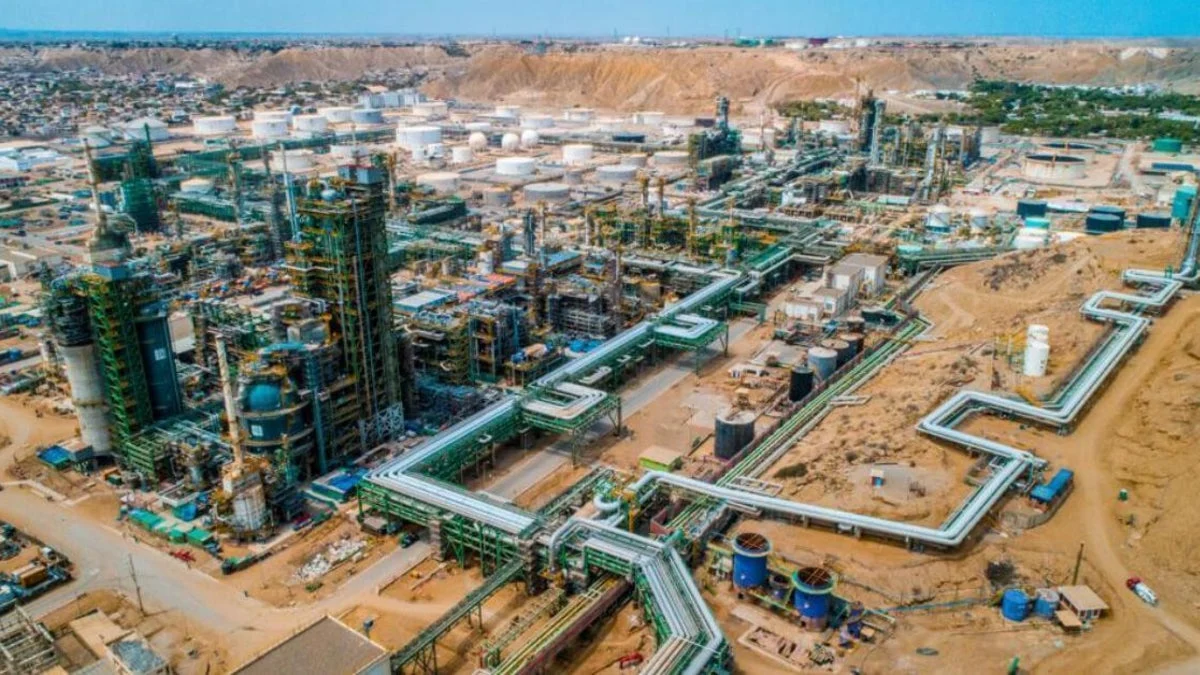
The Talara Refinery is the cornerstone of Peru’s energy future. With the new financing in place, the facility can operate at its full potential, reducing the country’s reliance on fuel imports and potentially stabilizing domestic energy prices. This provides a buffer against the volatility of global oil markets, which often negatively impacts the Peruvian consumer.
Conclusion: A Path Toward Stability
The disbursement of the initial US$475 million is more than just a financial transaction; it is a declaration of intent. The Peruvian government, through ProInversión, is signaling that the era of "business as usual" for Petroperú has ended.
The path forward, however, is not without challenges. The next two to three months will be critical as the company works to integrate the new financial partners and finalize its restructuring plan. The true test will be the company’s ability to adhere to the rigorous standards demanded by its new private creditors.
If successful, Petroperú will emerge as a leaner, more efficient, and financially independent organization. For the citizens of Peru, this promises a more stable energy sector and a government that is less burdened by the operational losses of the past. As the funds move through the Petroperú Invest vehicle this week, the eyes of the financial world will be fixed on Lima, watching to see if this ambitious transformation can truly deliver the long-awaited stability for the nation’s energy giant.