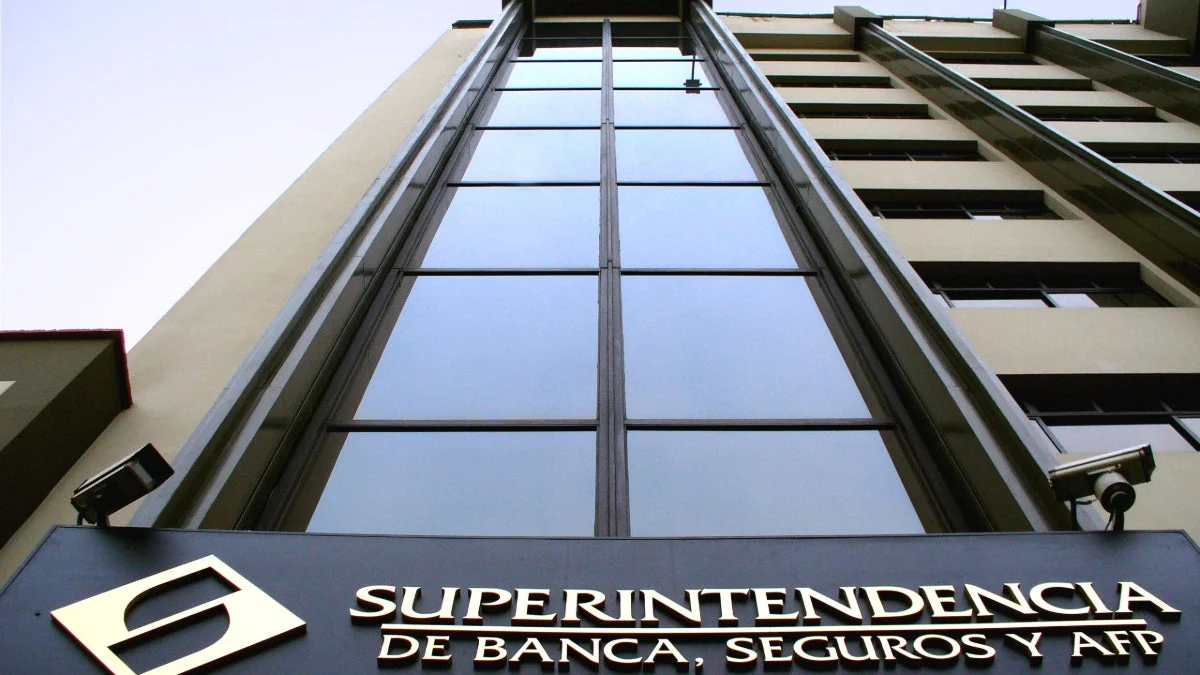
In a decisive move to protect the integrity of the Peruvian financial system, the Superintendency of Banking, Insurance, and Private Pension Fund Administrators (SBS) has executed a forced closure of a clandestine financial operation located in the heart of San Isidro. The entities involved, identified as Yonda and Osma Perú, were found to be engaged in the illicit collection of public funds without the requisite regulatory authorization, prompting not only an administrative closure but also a formal criminal complaint filed with the Public Prosecutor’s Office.
This operation highlights the persistent threat posed by shadow financial schemes that lure unsuspecting investors with promises of high, fixed-interest returns—a hallmark of potential Ponzi schemes and unauthorized financial intermediation.
The Anatomy of the Illegal Scheme
The SBS investigation revealed a sophisticated, albeit illegal, collaborative effort between the two companies, Yonda and Osma Perú. Operating out of a shared physical office space in San Isidro, these firms executed a two-pronged strategy to capture capital from the public.
The Mechanism: "Mutuo" Contracts
At the core of their operations was the use of "contratos de mutuo" (loan agreements). Under these arrangements, the companies invited members of the public to deposit their savings, promising fixed monthly interest payments and the full return of the principal at the end of the contract term.
Under Peruvian Law No. 26702, the General Law of the Financial System and the Insurance System, any entity seeking to capture, receive, or place funds from the public must obtain explicit authorization from the SBS. By bypassing this oversight, Yonda and Osma Perú operated outside the legal framework, denying depositors the protections and guarantees afforded by regulated financial institutions, such as the Deposit Insurance Fund (FSD).
The Synergy of Deception
The relationship between the two entities was structured to maximize recruitment. Osma Perú functioned primarily as a lead-generation arm, scouting for potential investors and directing them toward Yonda. Once the client was successfully referred, Yonda acted as the final repository for the funds. As compensation for this referral service, Osma Perú received a commission—a practice that created an aggressive, sales-driven environment focused on constant capital inflow.
Chronology of a Regulatory Conflict
The closure was not an impulsive action, but rather the culmination of a protracted legal standoff between the regulator and the operators of these firms.
- Initial Detection: The SBS monitoring division flagged suspicious financial activities linked to the San Isidro address, noting that neither company held the license to perform financial intermediation.
- The First Warning: Upon confirming the nature of the "mutuo" contracts, the SBS issued a formal administrative order requiring both entities to immediately cease all financial operations and stop soliciting funds from the public.
- The Act of Defiance: Despite being served with official documentation ordering them to halt, Yonda and Osma Perú continued to operate. Reports indicate they remained open to the public, accepting new deposits and continuing to advertise high interest rates to potential investors.
- The Escalation: Witnessing this blatant disregard for regulatory authority, the SBS moved to the final stage of enforcement. They coordinated with local authorities to execute a forced closure of the premises.
- Legal Action: Concurrent with the physical closure, the SBS legal department finalized and submitted a criminal complaint to the Public Prosecutor’s Office, initiating a formal investigation into the representatives of both companies.
Supporting Data: Why Unauthorized Intermediation is Dangerous
The danger posed by companies like Yonda and Osma Perú lies in the asymmetry of information. Because these companies are not regulated, they are not subject to the strict capital adequacy requirements, liquidity ratios, or independent audits that the SBS mandates for banks and financial institutions.
The Risks to the Public
When an individual deposits money with an unauthorized entity:
- Zero Deposit Insurance: In the event that the company collapses, disappears, or faces insolvency, there is no government-backed insurance to recover the lost funds.
- Lack of Transparency: Without regulatory oversight, there is no way for the public to verify the financial health of the company or the legitimacy of their business model.
- The "Ponzi" Factor: The promise of high, fixed monthly interest rates is often a red flag for a Ponzi scheme, where the interest paid to early investors is funded not by legitimate profits, but by the capital contributed by new participants. Once the influx of new money slows, the entire system typically collapses.
The SBS has consistently maintained that "the higher the promised interest rate, the higher the risk," urging the public to exercise extreme caution before transferring funds to any entity not listed on the official SBS registry.
Official Responses and Legal Implications
The SBS has been unequivocal in its stance regarding this case. In an official statement, the superintendent emphasized that the defiance of their mandate is not merely an administrative infraction, but a serious criminal offense.
Charges Filed
The criminal complaint lodged with the Public Prosecutor’s Office includes, but is not limited to:
- Unauthorized Financial Intermediation: A direct violation of the penal code regarding the illegal handling of public funds.
- Disobedience and Resistance to Authority: A charge stemming from the companies’ refusal to stop operations after receiving formal cease-and-desist notifications.
These charges carry significant legal weight. If found guilty, the representatives of Yonda and Osma Perú face potential imprisonment and heavy financial penalties. The Public Prosecutor’s Office is expected to lead the criminal investigation, gathering evidence from the documents seized during the closure to determine the scale of the financial damage inflicted on the public.
The Broader Implications for the Peruvian Financial Market
This case serves as a stark reminder of the "informality trap" that continues to plague parts of the Peruvian economy. As financial technology evolves and the public seeks higher returns in a volatile global economy, the window for fraudulent entities to operate has expanded.
A Call for Financial Literacy
The SBS has intensified its educational campaigns, advising the public to perform a simple "due diligence" check before investing. The regulator’s website provides a comprehensive, searchable database of all authorized banks, microfinance institutions, and insurance companies. If an entity is not on that list, the message is clear: do not invest.
The Role of the SBS as a Guardian
The intervention in San Isidro sends a signal to other potential bad actors that the SBS is actively monitoring the market and is prepared to use its full enforcement powers. However, the regulator also acknowledges that it cannot act alone. The cooperation of the public—reporting suspicious advertisements or investment offers—is crucial for the SBS to act before significant financial losses occur.
Future Outlook
As the legal proceedings against the representatives of Yonda and Osma Perú unfold, the focus will shift to asset recovery. The victims of this scheme—those who entrusted their savings to these unauthorized firms—must now navigate the judicial system to seek restitution. This process is often long and complex, highlighting the unfortunate reality that for many, the money invested in unregulated schemes may never be recovered.
Conclusion
The closure of the San Isidro operation is a victory for financial transparency and the rule of law. It underscores the vital role of the Superintendency of Banking, Insurance, and AFP in maintaining a stable economic environment. For the citizens of Peru, the lesson is clear: true investment opportunities are found within the regulated financial system. Any offer that promises guaranteed high returns outside of this system should be treated as a warning sign of a potential scam. The SBS remains committed to pursuing those who exploit the public’s trust, ensuring that the financial sector remains a space for growth rather than a theater for fraud.