In a strategic move to bolster national infrastructure and ensure the safety of vital logistics corridors, the Bolivian government has officially authorized a significant financial injection for the reconstruction and rehabilitation of the Santa Bárbara–Caranavi highway. This critical artery, which serves as a lifeline for the La Paz department, has long been plagued by geological instability, frequently resulting in disruptions that hinder both economic development and regional connectivity.
Through the issuance of Supreme Decree No. 5754, promulgated on October 26, 2026, the administration has cleared the path for a $95 million loan agreement with the Development Bank of Latin America and the Caribbean (CAF). This project, managed by the Administradora Boliviana de Carreteras (ABC), represents a long-awaited solution to the chronic challenges posed by the region’s volatile topography.
Main Facts: A Vital Corridor Under Transformation
The Santa Bárbara–Caranavi highway is not merely a regional road; it is a fundamental component of the "Ruta 3" of Bolivia’s Red Vial Fundamental (Fundamental Road Network). Connecting the high-altitude metropolitan center of La Paz with the fertile, subtropical regions of the Yungas and the northern territories of the department, the highway acts as the primary conduit for agricultural goods, passenger transport, and essential supplies.
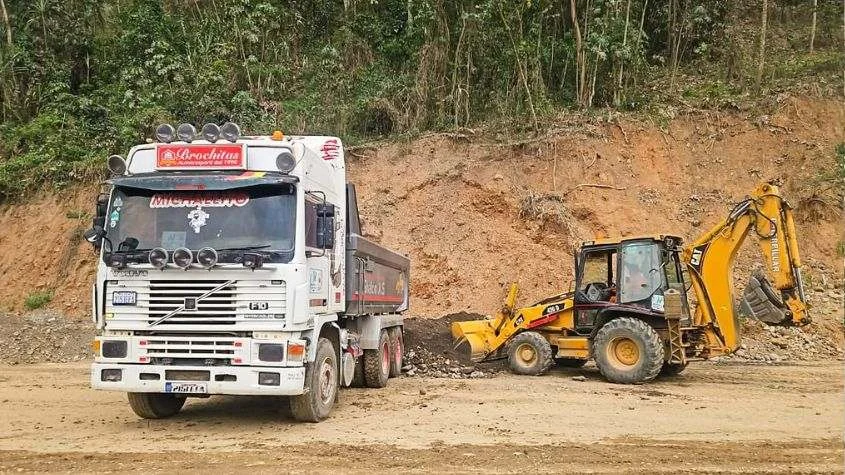
For years, the road has struggled to withstand the harsh environmental conditions of the region. Characterized by steep gradients, precarious cliff-side paths, and a climate prone to heavy, seasonal rainfall, the highway has become synonymous with transit hazards. Landslides, mudflows, and sudden rockfalls are frequent occurrences, often isolating communities and forcing prolonged closures that disrupt the regional supply chain.
The $95 million investment is specifically earmarked for:

- Structural Reinforcement: Stabilizing slopes and implementing advanced erosion control measures.
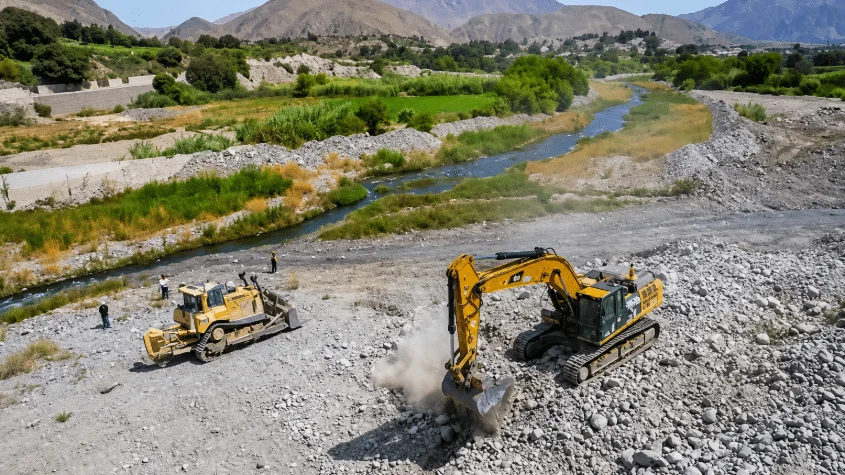
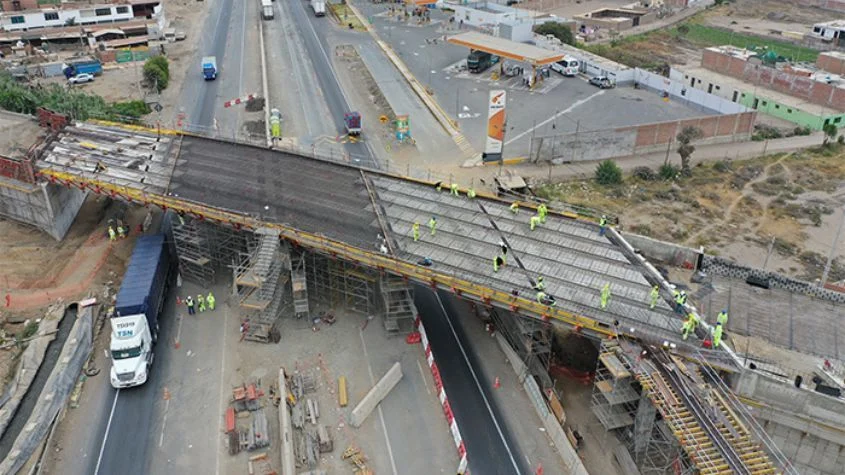
- Pavement Rehabilitation: Reconstructing sections destroyed by geological shifting and water damage.
- Safety Upgrades: Installing modern drainage systems, retaining walls, and improved signage to mitigate the risk of rockfalls.
- Operational Efficiency: Ensuring that the route remains navigable throughout the year, reducing the economic losses associated with road closures.
Chronology of the Project
The journey to this funding agreement has been a multi-staged process involving international cooperation and domestic legislative maneuvering.
- Early 2026 – Needs Assessment: The ABC conducted a comprehensive review of the Santa Bárbara–Caranavi corridor, identifying it as a "high-risk" zone requiring immediate, large-scale intervention rather than piecemeal maintenance.
- July 2026 – CAF Approval: Recognizing the regional importance of the route, the CAF board officially approved the loan facility of $95 million. This decision marked the culmination of months of technical studies and negotiations between the Bolivian government and the multilateral lender.
- October 26, 2026 – Promulgation of Supreme Decree No. 5754: The executive branch solidified the legal framework for the project. This decree authorizes the Minister of Economy and Public Finance to officially sign the loan contract on behalf of the Bolivian state.
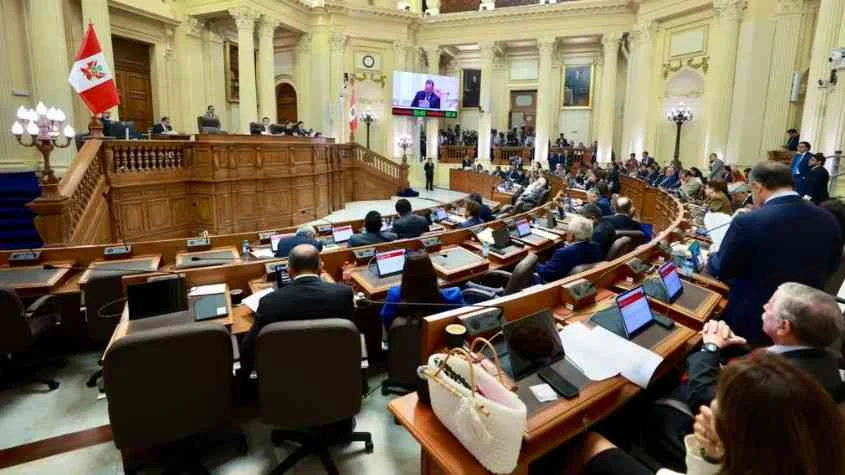
- Q4 2026 and Beyond – Legislative Oversight: Following the signing, the contract is mandated to enter the legislative phase. Under the Bolivian Constitution, the agreement must be submitted to the Plurinational Legislative Assembly for ratification, ensuring transparency and adherence to national financial protocols.
Supporting Data: Economic and Social Significance
The economic implications of this project are substantial. The Yungas region is one of Bolivia’s most important agricultural hubs, producing coffee, citrus, and various fruits that supply the urban markets of La Paz and El Alto.
Current data suggests that during the rainy season, transit costs for agricultural producers increase by an average of 30-40% due to detours and the increased wear and tear on heavy transport vehicles. Furthermore, the risk of road failure leads to a loss of perishable goods, directly impacting the income of thousands of small-scale farmers.
By stabilizing the highway, the project aims to:
- Reduce Logistics Costs: A smoother, safer road will shorten travel times and decrease fuel consumption for transport operators.
- Increase Market Access: Reliable road connectivity will allow for more consistent supply cycles, enabling producers to better compete in national and potentially international markets.
- Bolster Tourism: The route to the Yungas is a major tourism corridor. Enhanced road safety will encourage travel to natural attractions, providing a much-needed boost to the local service and hospitality sectors.
Official Responses and Administrative Strategy
The government’s decision to prioritize this route reflects a broader strategy to modernize Bolivia’s infrastructure network. The ABC, as the executing entity, is under immense pressure to deliver a resilient solution that addresses the root causes of the highway’s instability.

"This is not just about patching asphalt," stated an official source within the Ministry of Public Works. "It is about civil engineering that respects the geological complexity of the Andes. We are looking at comprehensive stabilization works that will ensure this road remains open, regardless of the intensity of the rainy season."
The Ministry of Economy and Public Finance has emphasized that this loan fits within the state’s fiscal management goals, as the long-term economic gains—measured in increased trade and reduced emergency maintenance costs—far outweigh the servicing of the debt. The CAF, for its part, has framed this project as a key investment in sustainable regional development, aligning with their mandate to promote infrastructure that facilitates economic integration.
Implications: A New Era for Regional Connectivity
The rehabilitation of the Santa Bárbara–Caranavi highway is a microcosm of the challenges facing infrastructure development in mountainous, developing nations. The transition from reactive maintenance—fixing the road after it breaks—to proactive, systemic reconstruction is the hallmark of this initiative.
However, the road ahead is not without challenges. The project will likely face complex logistical hurdles, including the need to maintain partial traffic flow during the construction phase to avoid completely cutting off the Yungas region from the capital. Furthermore, the success of the project will depend heavily on the quality of the technical execution and the ability of the ABC to manage contractors effectively in an environment where weather conditions can halt progress for weeks at a time.
Environmental and Engineering Challenges
Engineers involved in the project have noted that the soil composition in the area is highly prone to saturation. Therefore, the scope of work must include advanced geotechnical monitoring systems. The incorporation of real-time sensors to detect slope movement could provide an early warning system, further enhancing safety for commuters.

Integration with Wider Infrastructure Goals
Beyond the road itself, the government is looking at the broader picture of connectivity in La Paz. The recent focus on upgrading urban mobility, such as the expansion of the teleferico (cable car) systems, combined with the rehabilitation of major highways like the Santa Bárbara–Caranavi, suggests a holistic approach to improving life in the department.
If successful, this project will serve as a blueprint for future infrastructure interventions across Bolivia’s mountainous topography. It proves that with the support of multilateral partners like the CAF and a clear legislative mandate, it is possible to tackle even the most daunting engineering obstacles.
Conclusion
The commitment of $95 million to the Santa Bárbara–Caranavi highway marks a turning point for the residents of the Yungas and the logistics sector of La Paz. As the project moves from legislative approval to the implementation phase, the eyes of the nation will be on the ABC to see if they can deliver a road that is as resilient as it is vital. By prioritizing this corridor, the Bolivian government is not only securing a physical connection between two points but is actively investing in the economic prosperity and safety of its people. The road ahead remains difficult, but with this funding in place, the path to a more reliable, sustainable, and connected future is finally under construction.