Executive Summary: A New Era for Regional Transit
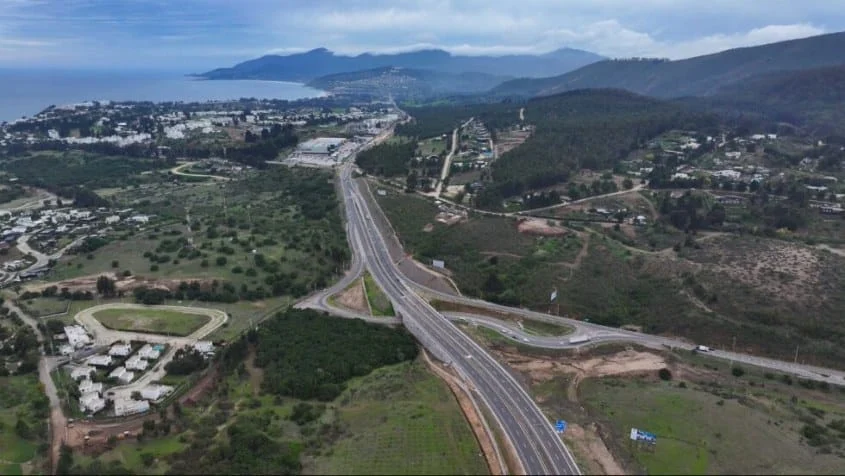
In a major milestone for Chile’s infrastructure development, authorities have officially inaugurated the modernized Route F-20, connecting Nogales and Puchuncaví in the Valparaíso Region. This ambitious project, executed under a robust public-private partnership, represents an investment exceeding US$ 200 million. By integrating advanced engineering with sustainable urban design, the project aims to slash travel times—reducing the commute between the Ruta 5 Norte highway and iconic coastal destinations like Maitencillo, La Laguna, Cachagua, and Zapallar from 15 minutes to a mere three.
The inauguration, led by the Biminister of Public Works and Transport and Telecommunications, Louis de Grange, highlights the government’s commitment to enhancing regional connectivity, boosting tourism, and improving the daily quality of life for thousands of residents.
The Strategic Importance of the F-20
The modernization of the Route F-20 is not merely an asphalt upgrade; it is a critical artery for the Valparaíso Region. The area, characterized by a mix of industrial activity, agricultural production, and high-density seasonal tourism, has historically struggled with congestion during peak periods, particularly during the Chilean Fiestas Patrias and summer holidays.
Key Infrastructure Upgrades
The project encompasses a comprehensive suite of structural improvements designed to meet international safety and efficiency standards:
- Dual Carriageways: Significant expansion to handle increased vehicle volumes.
- Bypass Integration: The new 7-kilometer Puchuncaví bypass serves as a relief valve, diverting transit traffic away from urban centers.
- Structural Nodes: Construction of six major road junctions and 12 grade-separated crossings to minimize traffic friction.
- Safety Features: Installation of seven pedestrian footbridges, emergency braking zones, and 24/7 high-definition monitoring systems.
Chronology of Development: From Concept to Completion
The journey toward the completion of the F-20 route has been a meticulous process, spanning years of planning, environmental impact assessments, and rigorous construction standards.

- Project Formulation: Following the identification of bottlenecks in the connection between the coastal zones and the primary north-south axis of the country (Ruta 5 Norte), the Ministry of Public Works (MOP) drafted the relicensing agreement for the Nogales-Puchuncaví corridor.
- The Concession Agreement: The contract was awarded, emphasizing not just speed, but resilience. This phase prioritized "future-proofing" the infrastructure against the increasing frequency of climate-related events in central Chile.
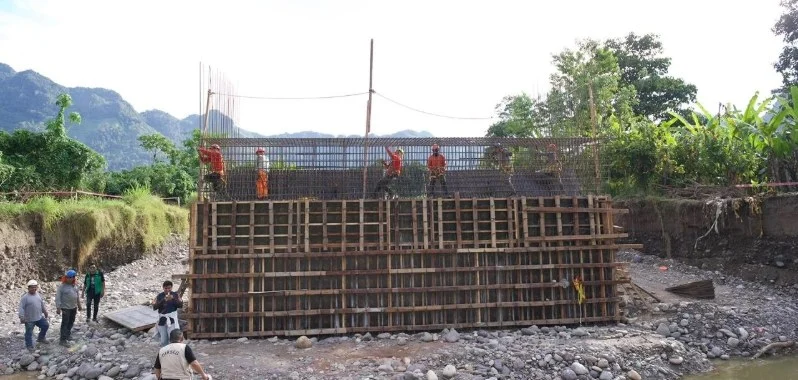
- Execution Phase: Over the course of the construction period, engineers focused on minimizing disruptions to local communities while adhering to strict environmental mitigation strategies.
- Final Commissioning: September 2026 marked the final testing of the Free Flow electronic toll systems and the completion of the decorative and functional landscaping, leading to the official ribbon-cutting ceremony.
Technological Advancements and "Resilient" Engineering
During the inauguration, Biminister Louis de Grange emphasized that this route is a testament to the evolution of Chilean infrastructure. "We are delivering infrastructure of the highest standard," he stated. "These innovations in engineering ensure the road is not only faster but more resilient to the climate emergencies that have challenged our nation in recent months."
The "Free Flow" Revolution
One of the most significant technological upgrades is the implementation of the Free Flow electronic toll system. By eliminating physical toll booths that traditionally cause significant bottlenecks, the system allows for continuous movement.
- Gantry Locations: Toll gantries are strategically placed at km 6.5 of the F-20 and km 28.3 of the Puchuncaví bypass.
- Interoperability: Users can utilize standard TAG devices, allowing for a seamless transition between this route and other national concessions, significantly reducing administrative hurdles for travelers.
Environmental and Community Integration
The project goes beyond transportation; it serves as a blueprint for modern infrastructure that respects the surrounding environment. The project design includes:
- Green Spaces: Over 12 hectares of landscaped areas have been integrated along the route, helping to buffer noise and restore local biodiversity.
- Noise Mitigation: The installation of over 2,400 meters of acoustic screens ensures that the increased traffic capacity does not negatively impact the tranquility of the neighboring residential communities.
- Active Transit: With 1.6 kilometers of dedicated cycling infrastructure, the project promotes non-motorized mobility, acknowledging the importance of active transport in coastal regions.
- Tourism Focus: The inclusion of a dedicated scenic overlook highlights the route’s role in supporting the region’s tourism sector, offering visitors a panoramic experience of the coastal landscape.
Official Perspectives and Stakeholder Commentary
The success of the F-20 project is a result of collaboration between the state, private operators, and local government leaders.
Louis de Grange (Biminister of Public Works/Transport):
"This project is a clear example of what the system of concessions can achieve. For nearly 40 years, this model has allowed Chile to bridge the gap in regional connectivity. This is not just about building roads; it is about providing the tools for regional development and ensuring that the inhabitants of Nogales and Puchuncaví have the same quality of life as those in the capital."

Ignacio Batlle (General Manager, Aleatica Chile):
"We are proud to hand over this high-standard infrastructure. Our focus now shifts to an operation that is safe, efficient, and reliable. By launching this just before the Fiestas Patrias, we are providing thousands of families with a safer and faster way to reach their destinations, reducing stress and increasing security on the road."
Local Leadership:
The mayors of Nogales (Leslie Pacheco) and Puchuncaví (Marcos Morales), alongside the provincial delegate for Quillota (Pilar Cuevas), expressed optimism regarding the impact on local commerce and emergency response times. They emphasized that the road will serve as a permanent catalyst for economic growth in the interior of the region.
Implications: The Future of Chilean Infrastructure
The completion of the F-20 project serves as a precursor for future infrastructure developments across Chile. It highlights several key trends in the sector:
1. Shift Toward Digital Tolls
The widespread adoption of Free Flow is now the standard for major road projects in Chile. This not only increases throughput capacity but also provides the Ministry with real-time data to better manage traffic flow and incident responses.
2. The Resiliency Mandate
Given the shifting climate patterns, future contracts now demand that developers account for flood prevention, landslide mitigation, and extreme temperature resistance. The Nogales-Puchuncaví route is among the first to fully integrate these "resilient" specifications into its core design.

3. Public-Private Synergy
The ability to mobilize US$ 200 million in private capital to resolve a public infrastructure crisis demonstrates the ongoing vitality of the concession model. The government intends to use the successes of this project to justify further investments in secondary and tertiary road networks, particularly in regions that have historically been sidelined from major infrastructure projects.
Conclusion
The inauguration of the upgraded Route F-20 is a milestone that transcends simple road-building. By significantly reducing transit times and implementing world-class safety and environmental features, the project provides a tangible upgrade to the quality of life for the residents of the Valparaíso Region. As travelers hit the road for upcoming holidays, the legacy of this project will be felt in every smooth, efficient mile traveled, setting a new benchmark for what Chile can achieve in its mission to build a more connected and resilient future.
For those wishing to utilize the new route, tags and information regarding the Free Flow system are currently available at the Nogales-Puchuncaví commercial office, marking the beginning of a new chapter in the history of regional mobility.