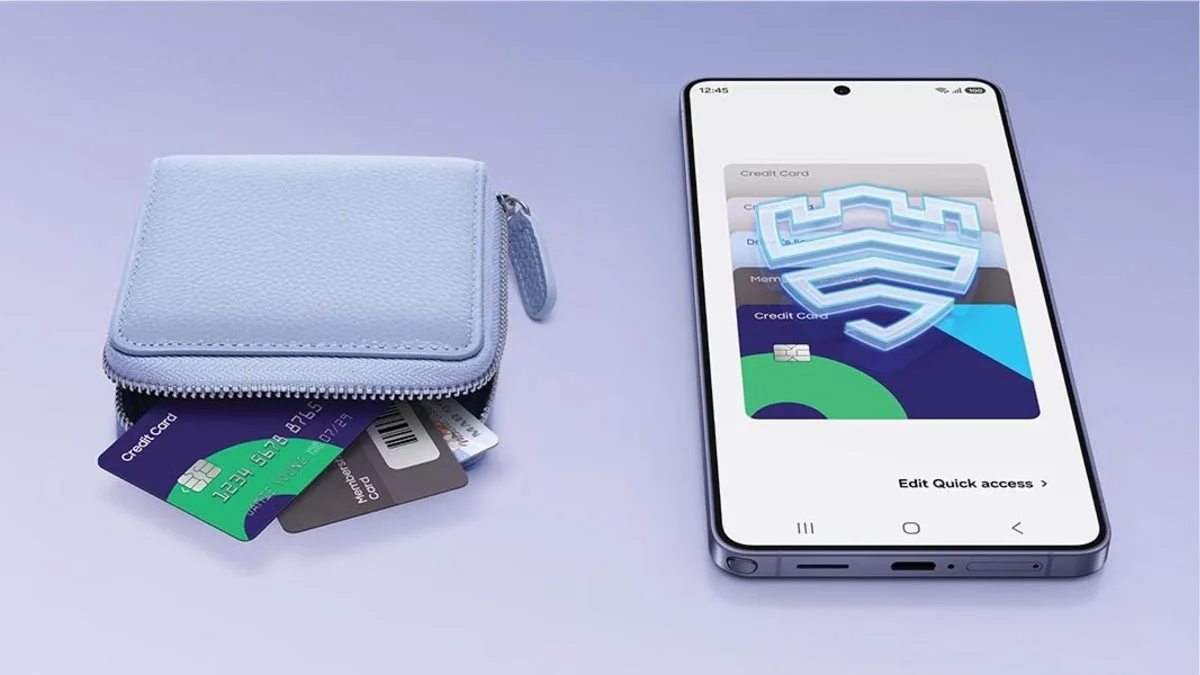
The digital transformation of the Peruvian financial ecosystem has taken a significant leap forward. Samsung Electronics has officially announced the launch of Samsung Wallet in Peru, a comprehensive digital platform that promises to redefine how users manage their finances, identification, and daily transactions. By consolidating payment cards, digital keys, and sensitive documents into a single, highly secure interface, Samsung is positioning its ecosystem as the primary gateway for the modern, mobile-first consumer.
For millions of Samsung Galaxy users across the country, the days of carrying a physical wallet stuffed with plastic cards are coming to an end. Leveraging the ubiquity of Near Field Communication (NFC) technology, Samsung Wallet allows users to complete contactless payments at virtually any point-of-sale (POS) terminal that supports tap-to-pay functionality.
Main Facts: What is Samsung Wallet?
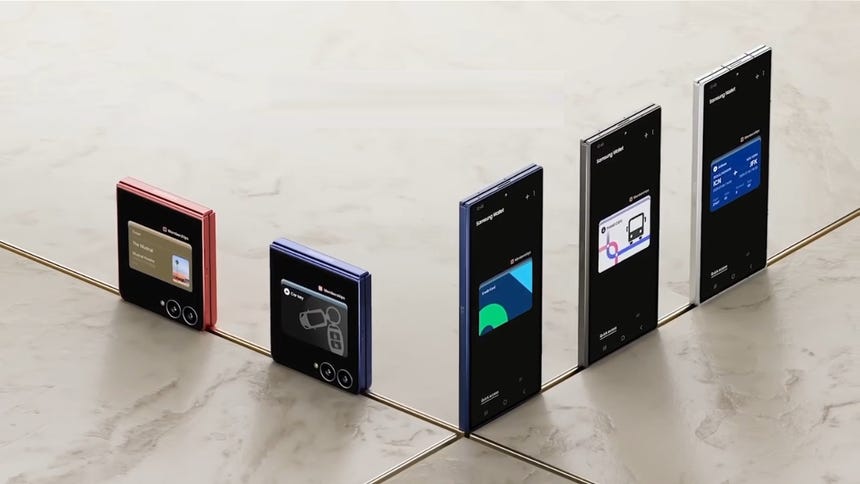
Samsung Wallet is more than just a payment app; it is a holistic digital asset manager. Replacing the legacy "Samsung Pass" application, the new Wallet platform serves as a secure vault for credit and debit cards, digital boarding passes, and loyalty memberships.
The core of the experience lies in its integration with the Samsung Knox security architecture. Unlike traditional mobile wallets, Samsung Wallet utilizes a "tokenization" process. When a user adds a card, the system does not store the actual card number on the device or on Samsung’s servers. Instead, it generates a unique, encrypted "token" that is sent to the merchant during a transaction. This ensures that even if a retailer’s database is compromised, the user’s real financial data remains invisible and untouchable.
Furthermore, the application is designed for seamless usability. It is accessible directly from the lock screen or home screen via a simple swipe gesture, ensuring that users can access their payment methods in a fraction of a second—an essential feature for the fast-paced retail environment in cities like Lima.
Chronology: The Path to Digital Integration in Peru
The arrival of Samsung Wallet in Peru is not an isolated event but the culmination of a multi-year strategy to digitize the Peruvian economy.
- Pre-2023: The Foundation of Contactless Infrastructure: The Peruvian banking sector invested heavily in updating POS terminals across the country to support contactless technology. Without this infrastructure, a digital wallet would have limited utility.
- Late 2023 – Mid 2024: Strategic Negotiations: Samsung engaged in high-level discussions with the Peruvian Superintendence of Banking, Insurance, and Private Pension Fund Administrators (SBS) and local financial institutions. The focus was on ensuring that the tokenization standards met both local regulatory requirements and Samsung’s global security benchmarks.
- September 2024: Pilot Programs: A select group of beta testers, including banking partners and tech enthusiasts, began testing the NFC integration to ensure seamless processing with local banking backends.
- October 2024: Official Launch: Samsung officially opened the Samsung Wallet platform to the general public in Peru, enabling users to download the update via the Galaxy Store and begin the "Tap to Enroll" onboarding process.
Supporting Data: The Power of ‘Tap to Enroll’
One of the most significant technical barriers to adopting digital wallets has historically been the tedious manual entry of card numbers, expiration dates, and CVV codes. Samsung has effectively bypassed this friction with its proprietary ‘Tap to Enroll’ technology.
How ‘Tap to Enroll’ Works
The process is deceptively simple but technologically sophisticated:
- Proximity Sensing: When the user initiates the "Add Card" process, the phone activates its internal NFC reader.
- Chip Communication: The user places their physical credit or debit card against the back of the smartphone. The phone communicates directly with the EMV chip embedded in the card.
- Encrypted Extraction: The smartphone securely pulls the encrypted card data. This is significantly faster and more accurate than using a camera to scan a card, which is often hampered by lighting conditions or worn-out card numbers.
- Verification: The user confirms the addition, and the bank sends a verification token to the device. The card is ready for use within seconds.
This innovation is expected to increase adoption rates among older demographics who may have found previous digital wallet registration processes intimidating or overly technical.
Official Responses and Strategic Partnerships
Samsung’s entry into the Peruvian market is supported by foundational partnerships with the country’s most prominent financial institutions. While the company has not disclosed the full list of future partners, the initial phase focuses on high-volume issuers to ensure maximum market penetration.
In a press briefing held during the launch, a representative from Samsung Peru stated: "Our goal is to provide a seamless, secure, and intuitive experience for our users. By working closely with the leading banks in the country, we have ensured that the transition to digital payments is not just a technological upgrade, but a practical improvement in the daily lives of Peruvians."
The financial institutions involved have emphasized that this move is part of a broader commitment to reducing the circulation of physical cash, which is often associated with higher security risks and operational costs. For the banks, Samsung Wallet represents a lower fraud rate, as each transaction requires biometric authentication—a level of security that physical plastic cards cannot match.
Implications: The Shift Toward a Cashless Society
The launch of Samsung Wallet in Peru has profound implications for both the consumer market and the broader economy.
Security and Fraud Prevention
The shift from physical cards to tokenized digital wallets is a massive win for cybersecurity. In a world where card skimming and "shoulder surfing" for card numbers are prevalent, Samsung Wallet offers a distinct advantage. Because the payment requires either a fingerprint or facial recognition, a stolen phone cannot be used to make unauthorized purchases. This is a significant upgrade over the "tap and pay" functionality of physical contactless cards, which often do not require a PIN for smaller transaction amounts.
Financial Inclusion and Modernization
As digital payments become the standard, the "digital divide" remains a concern. However, as entry-level Samsung Galaxy devices begin to incorporate NFC technology, the accessibility of these tools will increase. This encourages smaller merchants—from coffee shops to street vendors—to adopt digital payment solutions, reducing the reliance on cash and creating a more transparent and trackable economy.
The Ecosystem Effect
Samsung is betting on the "stickiness" of its ecosystem. By integrating loyalty cards, boarding passes, and potentially digital IDs into the Wallet, the company creates a scenario where the smartphone becomes the essential tool for navigation in urban life. Users are less likely to switch to competing brands if their entire digital identity is woven into the Samsung platform.
Future Outlook
As we look toward the future, the integration of Samsung Wallet is expected to expand. We can anticipate the inclusion of public transit passes, allowing users to tap their phones at Metropolitano or Metro de Lima stations. Additionally, there is potential for the integration of digital health records and government-issued digital IDs, which would further cement the app’s role as the "master key" for the citizen’s digital life.
Conclusion: How to Get Started
For users eager to transition to a digital-first lifestyle, the process is straightforward:
- Update Your Device: Ensure your Samsung Galaxy device is updated to the latest version of One UI.
- Download/Update the App: Navigate to the Galaxy Store and search for "Samsung Wallet." If you have the old Samsung Pass, the update will automatically migrate your existing credentials.
- Secure Your Device: Ensure that you have a biometric lock (Fingerprint or Face Unlock) enabled on your phone.
- Add Your Cards: Open the app, select the "Add" icon, and use the ‘Tap to Enroll’ feature by placing your physical card against the NFC sensor on the back of your phone.
- Start Paying: Once the bank verifies the card, you are ready to go. Simply swipe up from the bottom of your screen at any NFC-enabled payment terminal, authenticate, and tap your phone.
The arrival of Samsung Wallet in Peru marks the end of an era for the traditional wallet and the beginning of a more secure, efficient, and digital future. As adoption grows, the convenience of leaving your physical wallet at home will soon transition from a tech-enthusiast’s luxury to an everyday reality for all Peruvians.