Overview of the Electoral Landscape
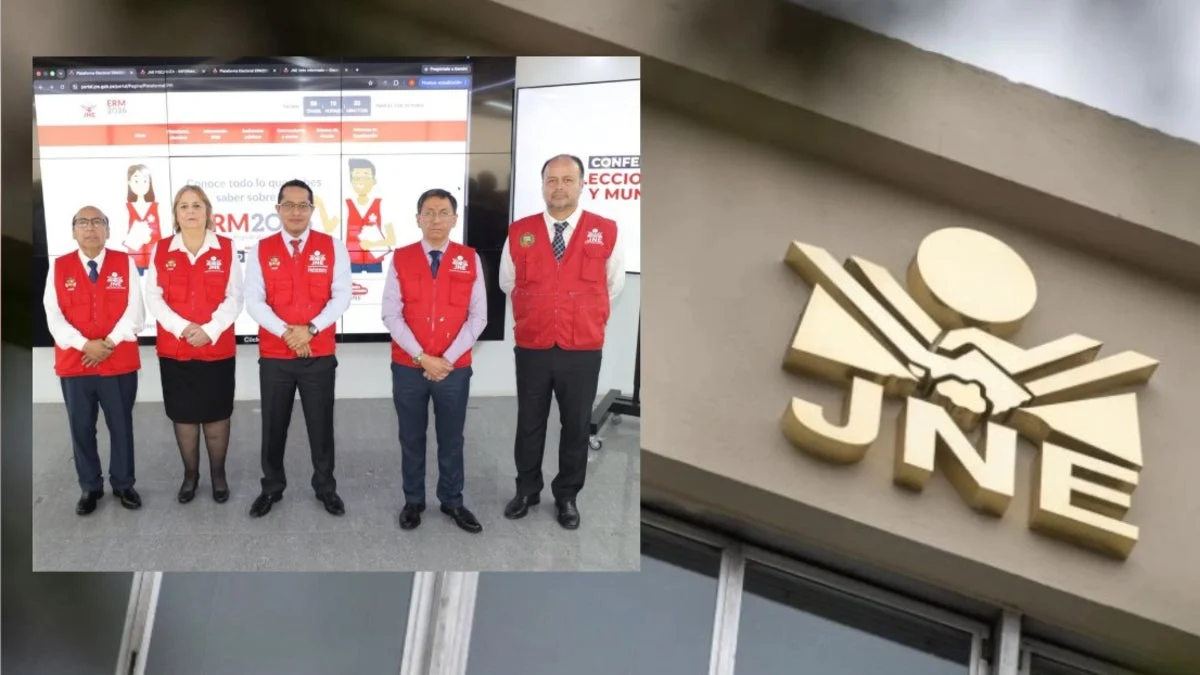
As the 2026 Regional and Municipal Elections approach, the National Jury of Elections (JNE) finds itself at the center of a complex legal and logistical challenge. On Monday, September 14, representatives from various political organizations are set to participate in a crucial second round of coordination meetings regarding the highly anticipated debate for the Mayoralty of Lima Metropolitan.
Scheduled for 4:00 p.m. at the JNE’s Lampa headquarters in the Cercado de Lima, this meeting follows a foundational session held on September 7. The primary objective is to solidify the operational framework for the debates, which are currently slated for September 21 and 22. As the electoral body seeks to ensure transparency and equal footing for all contenders, it simultaneously navigates a mounting political crisis regarding the eligibility of incumbent mayors who are seeking to maintain power through the position of "first councilor."
Chronology of Events: From Initial Dialogue to Legal Impasse
The path to the upcoming debates has been marked by both collaborative planning and sharp contention.
- September 7: The inaugural meeting between the JNE and political parties took place. While the session successfully addressed general guidelines, it exposed deep fractures regarding the participation of incumbent mayors in the debate.
- September 10-12: Tensions escalated when the party Renovación Popular requested that their candidate for first councilor, the current Mayor of Lima, participate in the debates. This triggered an immediate pushback from a coalition of 14 other political parties.
- September 13: The President of the JNE, Roberto Burneo, officially confirmed the schedule for the upcoming debates and acknowledged the growing pressure from political organizations to address the legal status of "re-election by succession."
- September 14: The second coordination meeting is held, tasked with finalizing the order of participation and the structure of candidate duplas (pairs) for the debate blocks.
The Constitutional Dilemma: The "First Councilor" Loophole
At the heart of the current dispute lies Article 194 of the Peruvian Constitution, which explicitly prohibits the immediate re-election of mayors. However, the legal maneuver of incumbent mayors running as "first councilors" has created a gray area that the JNE must now clarify.
The core question is simple but legally profound: If an incumbent mayor, currently barred from re-election, runs as a first councilor on a winning ticket, can they subsequently be granted the credential of Mayor through the mechanism of succession?
Critics of the practice argue that this is a "backdoor" to re-election, effectively violating the spirit—if not the strict letter—of the constitutional ban on consecutive terms. Proponents, however, argue that the law does not explicitly forbid a mayor from serving in a lower capacity, and that the succession process is a standard administrative procedure when the head of a list is incapacitated or vacates the post.
Supporting Data and Political Coalitions
The friction reached a boiling point during the first negotiation meeting when a majority of participating parties coalesced against the interpretation favored by Renovación Popular. Fourteen distinct political entities formally requested that the Pleno of the JNE issue a binding, definitive ruling on the legality of issuing mayoral credentials to these specific candidates.
The coalition calling for a restrictive interpretation of the law includes:
- Vision Peru and Podemos Peru
- Pueblo Consciente and the Patriotic Party of Peru
- Partido Popular Cristiano and Somos Peru
- Demócrata Verde, APRA, and Frepap
- Batalla Peru, Avanza País, Alianza para el Progreso
- Venceremos and Coalición Transformadora Tierra Verde
These groups contend that allowing such a maneuver would undermine the democratic principle of alternation in power. Renovación Popular remains the sole dissenter, advocating for their candidate’s right to participate in the debate on equal footing with mayoral candidates, regardless of his status as a first-councilor candidate.
Official Responses: The JNE’s Balancing Act
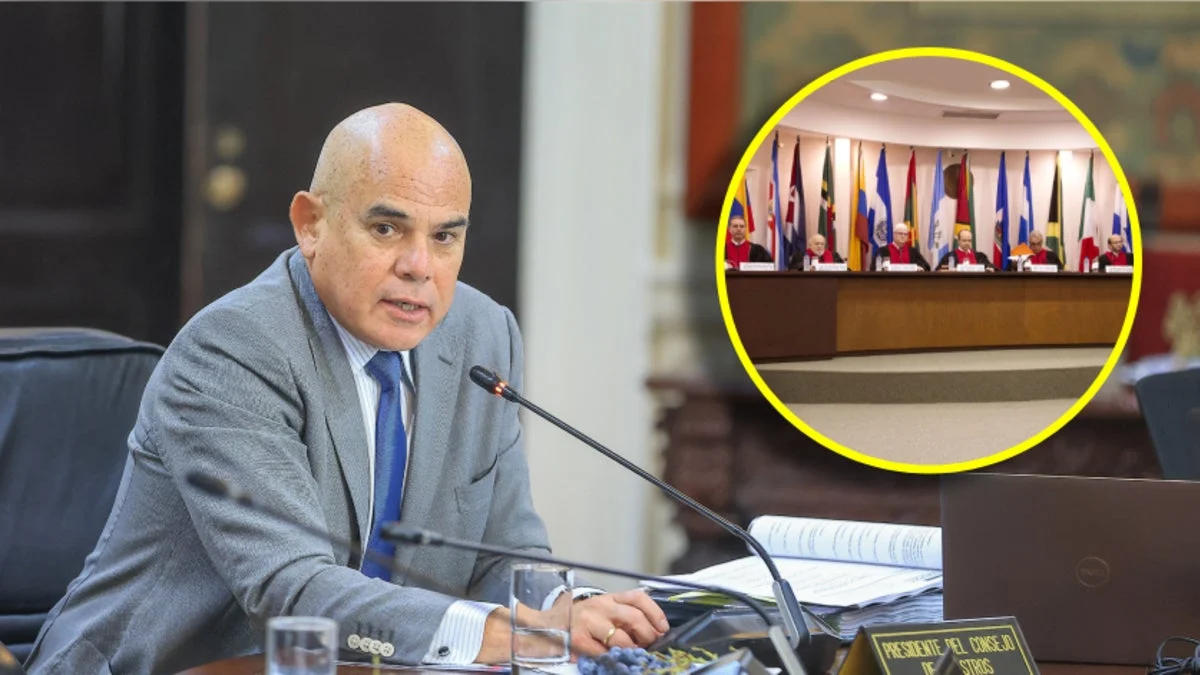
Roberto Burneo, President of the JNE, has navigated these conflicting interests with cautious diplomacy. In an exclusive statement to El Poder en tus manos, Burneo emphasized that while the JNE has previously ruled that there is no express prohibition against a sitting mayor running for a councilor position, the secondary question—the issuance of the mayoral credential—is an entirely different matter.
"The JNE has already established that there is no prohibition for a sitting mayor to run as a first councilor," Burneo explained. "However, the question of what happens if that list wins and the first councilor ends up in a position to assume the mayoralty is a separate legal issue that requires a formal decision by the Pleno."
Burneo confirmed that this issue has been added to the Pleno’s agenda, though he declined to set a specific date for the final ruling, citing the need for a thorough constitutional analysis. With 153 incumbent mayors across the country currently running as first councilors, the gravity of this decision cannot be overstated. It is a nationwide phenomenon that risks delegitimizing the results of the 2026 elections if not addressed before the ballots are cast.
Implications for the 2026 Elections
The implications of the JNE’s forthcoming decision are manifold:
1. Legal Precedent and Constitutional Integrity
If the JNE rules that succession to the mayoralty is permitted, it will essentially normalize a path for indefinite political survival for incumbent local leaders, arguably rendering the constitutional ban on re-election toothless. Conversely, a prohibition would lead to a wave of legal challenges and potential disqualifications, creating chaos in the final weeks of the campaign.
2. The Integrity of the Debate
The debate itself has become a proxy war for this legal battle. Allowing a candidate who is not technically running for mayor to participate in the mayoral debate could be seen as an unfair advantage or a validation of his "shadow" campaign. The JNE must decide whether to prioritize the inclusion of high-profile political figures or the strict adherence to the formal roles defined by the electoral ballot.
3. Voter Trust
The Peruvian public remains skeptical of political maneuvers that appear to prioritize personal power over constitutional constraints. The JNE’s ability to handle this situation with transparency will be a critical test of the institution’s credibility. If the electorate perceives that the rules are being bent to accommodate powerful incumbents, the legitimacy of the entire 2026 electoral process could be severely compromised.
4. Administrative Burden
The sheer number of affected candidates—153 across the nation—means that any ruling will have significant ripple effects. The JNE must ensure that its decision is applied consistently, not just for the high-profile case of Lima, but for every municipality where this strategy has been deployed.
Conclusion: A Critical Juncture
As the meeting on September 14 proceeds, the focus remains on finding a consensus that allows for a fair and orderly debate while the legal machinery of the JNE works behind the scenes to resolve the constitutional crisis.
The upcoming debates on September 21 and 22 are intended to inform the citizens of Lima about their future leadership. However, the shadow of the "first councilor" dispute looms large. The JNE’s challenge is to provide clarity before the voters go to the polls. Anything less than a clear, well-reasoned, and legally sound decision from the Pleno will likely leave the door open for post-election litigation, potentially delaying the assumption of office for dozens of municipalities across the country.
The eyes of the nation are now on the JNE headquarters in Lampa, awaiting a decision that will define not only the outcome of the Lima mayoral race but the future of municipal governance in Peru. As the clock ticks toward the election date, the urgency for a definitive, final, and impartial resolution has never been higher.