Overview: A Vital Milestone for Chumbivilcas
In a decisive move to bridge the healthcare gap in rural Cusco, the Regional Government has officially broken ground on the construction of a contingency health infrastructure for the Colquemarca Health Center. Situated in the heart of the Chumbivilcas province, this critical initiative represents a significant investment of S/ 5.3 million. Designed as an interim solution, the project ensures that over 10,500 residents will maintain uninterrupted access to essential medical services while the primary, permanent facility undergoes a comprehensive transformation, expansion, and modernization.
The project is more than just a temporary building; it is a strategic effort to maintain the continuity of care in a region where geography and limited infrastructure have historically hindered health outcomes. By deploying modern, pre-fabricated modules, the regional administration aims to provide a safe, sterile, and efficient environment for both patients and medical staff during the transition period.
The Chronology of Development
The path to this project began with a rigorous assessment of the existing health infrastructure in Colquemarca, which was deemed insufficient to meet the growing demands of the local population. Recognizing the urgency, the Regional Government of Cusco prioritized the "contingency" phase to prevent any service disruptions during the planned renovation of the main hospital.
- Project Approval: Following technical and budgetary approvals, the project was slated for execution under the regional administration’s investment plan.
- Funding Allocation: Financed through regional canon and over-canon resources—funds generated from mining and extractive activities—the project reflects a commitment to reinvesting wealth into social infrastructure.
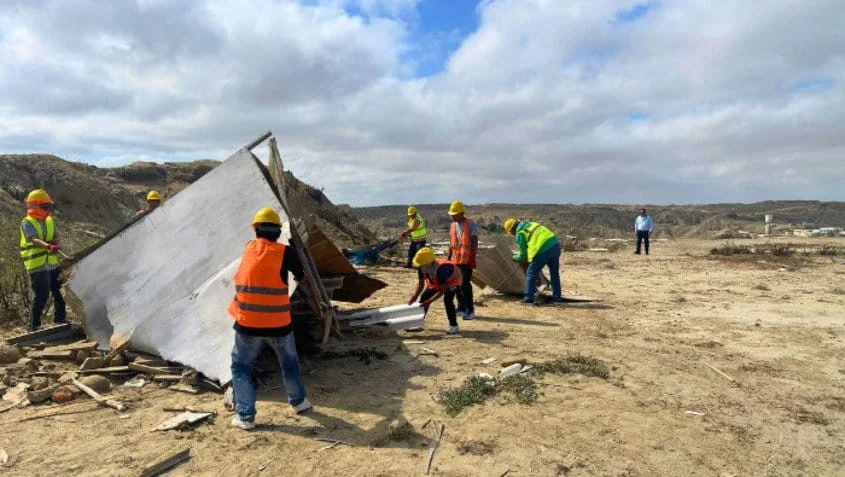
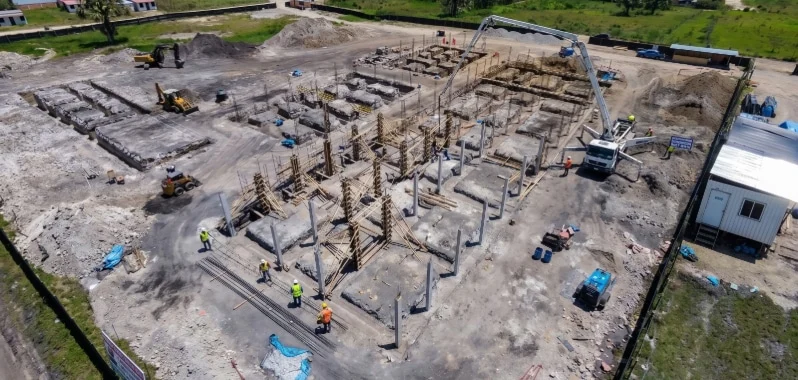
- Commencement: With the mobilization of machinery and personnel, construction officially began in October 2026.
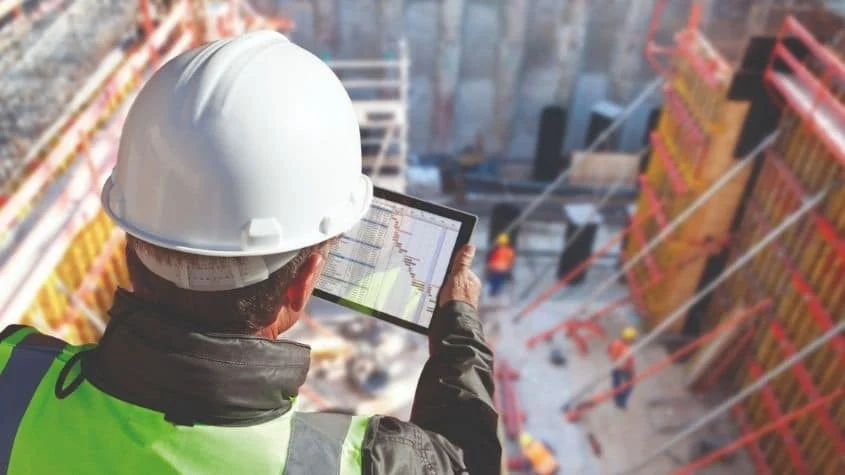
- Execution Timeline: The project is scheduled for completion within 150 calendar days. This aggressive timeline is intended to minimize the duration of the transition period, ensuring that the final, permanent facility can commence construction as soon as possible.
Supporting Data and Infrastructure Specifications
The contingency facility is designed to meet the rigorous standards of modern healthcare, providing a seamless transition for the local population. The design prioritizes modular efficiency without compromising the quality of care.
Technical Composition
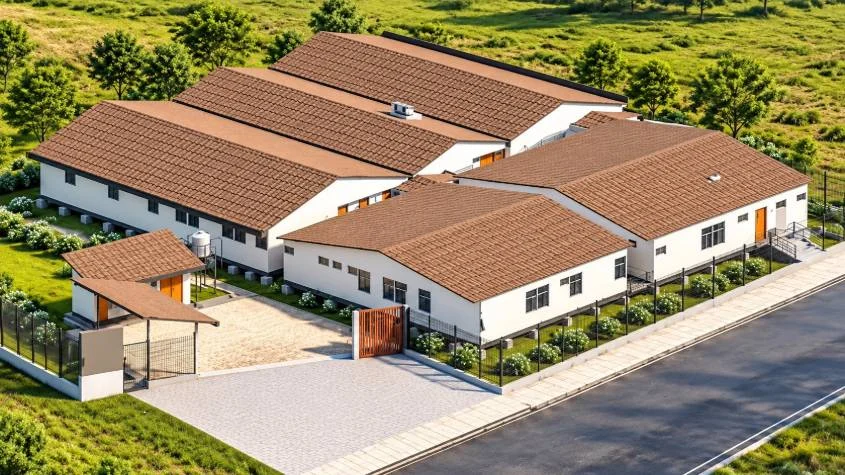
The infrastructure will be comprised of six distinct blocks of one-level pre-fabricated modules. These modules are specifically engineered to provide a durable and flexible environment. To ensure basic utilities in this high-altitude region, a dedicated elevated water tank system will be installed, guaranteeing a consistent supply of potable water—a fundamental requirement for any sanitary facility.

Service Scope
The facility is not a scaled-down version of the health center, but a functional relocation of existing services. The layout includes:
- Primary Care & Emergencies: Specialized areas for outpatient consultations and a robust emergency response unit.
- Specialized Diagnostics: The site will house laboratory services, radiology equipment, and ultrasound facilities to reduce the need for patients to travel to larger urban centers.
- Maternal and Specialized Care: Dedicated spaces for maternal health and the monitoring of gestating patients, as well as a specialized module for the treatment of tuberculosis patients, addressing a significant public health priority in the region.
- Logistical Support: A dedicated parking area designed for two emergency vehicles ensures that patient transfers are rapid and unobstructed.
Official Responses and Regional Vision
The launch ceremony was marked by a strong message of accountability and progress from regional authorities. Governor Werner Salcedo Álvarez, who led the proceedings, emphasized that the project is a cornerstone of his administration’s social policy.
"We cannot speak of true development if our families do not have access to dignified, safe, and timely medical services," Governor Salcedo stated during the event. "Our responsibility is to act decisively, invest strategically, and ensure that the people of Colquemarca receive the healthcare they deserve. This contingency infrastructure is a bridge—a necessary step toward a much larger goal of modernizing the entire provincial healthcare network."
The Governor further highlighted that the use of canon and over-canon funds serves as a model for how regions can leverage natural resource wealth to tackle long-standing social deficits. The ceremony was attended by a broad cross-section of stakeholders, including regional councilors, local mayors, healthcare professionals, and community leaders, all of whom underscored the importance of the project in closing the systemic gaps in the Chumbivilcas health network.
Implications for the Population
The construction of this facility carries profound implications for the community of Colquemarca. In rural Andean provinces, the distance between homes and the nearest health center can be a matter of life and death. By ensuring that services remain operational during the construction of the new, larger facility, the government is effectively eliminating the "healthcare void" that often accompanies large-scale construction projects.

Social Impact
The primary beneficiaries—10,582 inhabitants—include vulnerable groups such as children, expectant mothers, and the elderly. The facility’s ability to provide localized diagnostic services (radiology and ultrasound) is a major quality-of-life upgrade, sparing families the physical and financial burden of traveling to Cusco city for routine medical investigations.
Economic and Logistical Continuity
Beyond health, the facility serves as a stabilizer for the local economy. A healthy population is more productive, and by maintaining medical continuity, the region avoids the potential labor and educational losses associated with untreated illness. Furthermore, the construction process itself creates temporary employment opportunities for local workers, injecting capital into the provincial economy during the 150-day construction phase.
Looking Toward the Future: The Broader Strategy
The Colquemarca project is a micro-reflection of a broader, systemic push in the Cusco region to revitalize the healthcare sector. Following the completion of the contingency site, the focus will shift to the main health center expansion.
The strategy adopted by the Gerencia Regional de Gestión de Inversiones de Infraestructura—operating under the "direct administration" modality—allows the regional government to maintain tight control over quality and budget. This approach is increasingly preferred in the region as it reduces administrative bottlenecks and ensures that projects are delivered with greater oversight.
Addressing Health Inequalities
The commitment to a specialized tuberculosis module is particularly noteworthy. Tuberculosis remains a significant health challenge in various parts of Peru, and localizing treatment within the community is essential for ensuring patient adherence to treatment regimens. By incorporating this into the temporary facility, the regional government is demonstrating a nuanced understanding of local epidemiological needs.

Closing the Infrastructure Gap
As the project progresses, the eyes of the Chumbivilcas province will be on the 150-day clock. If successful, this model of "contingency first, permanent expansion second" will likely be replicated in other districts across the region, providing a blueprint for sustainable health infrastructure development in challenging geographical environments.
In conclusion, the initiation of the Colquemarca contingency health center is more than a mere construction milestone. It is a testament to the regional government’s commitment to social equity. By investing over S/ 5 million, the administration is not just building walls and floors; it is building public trust and ensuring that the right to health is upheld, regardless of how remote a community may be. As the modules rise, so too does the standard of care for the people of Chumbivilcas, setting a high bar for future infrastructure projects across the Peruvian Andes.