Executive Summary: Strengthening Regional Healthcare
The construction of the Simón Bolívar Hospital in Cajamarca represents a critical pillar in the modernization of Peru’s public health infrastructure. Under the rigorous oversight of the National Program for Health Investments (Pronis), an agency attached to the Ministry of Health (MINSA), this project is currently moving through its foundational phases. With a total beneficiary population exceeding 413,000 residents, the hospital is designed to serve as a high-capacity hub for medical care in the northern highlands, significantly closing the gap in specialized services for the region.
Pronis is currently maintaining strict technical, administrative, and financial surveillance over the construction site. By utilizing a robust trust-based management model, the agency has successfully mobilized S/ 65 million in advance payments, ensuring that both material procurement and physical work proceed without the common fiscal bottlenecks that often delay major public works in the country.
Technical Overview and Current Field Operations
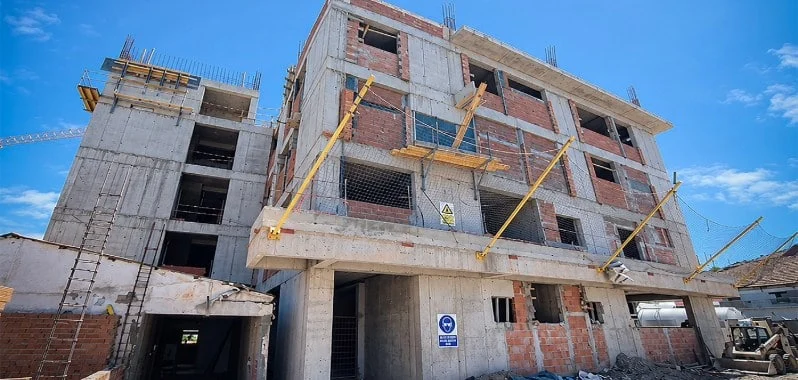
The project is currently in its preliminary execution phase, characterized by intensive earthworks and site preparation. Field teams have been mobilized to conduct large-scale excavations, systematic demolitions of existing obsolete structures, and the systematic removal of debris to clear the path for the primary structural framework.
The Role of Field Supervision
To ensure compliance with the rigorous safety and quality standards required for hospital facilities, Pronis specialists are conducting daily onsite inspections. These technical audits are not merely observational; they involve verifying soil stability, assessing the quality of construction materials entering the site, and ensuring that the contractor adheres to the established project timeline. The transition from the planning phase to the physical construction phase is a high-risk period, and the agency’s proactive stance aims to mitigate risks related to geological instability and logistical delays.
Financial Strategy: A Model of Fiduciary Responsibility
A standout feature of the Simón Bolívar Hospital project is the transparent and efficient management of financial resources. By leveraging a dedicated trust fund (fideicomiso), Pronis has effectively ring-fenced the budget to ensure that funds are used exclusively for their intended purposes—primarily the procurement of long-lead materials and mobilization costs.

Breakdown of Financial Advances
- Direct Advances (S/ 25 Million): These funds were allocated to provide the contractor with the liquidity necessary for mobilization, machinery leasing, and initial labor force staffing. Data from the most recent financial audit indicates that approximately S/ 18 million has already been effectively deployed, demonstrating a high velocity of capital absorption.
- Materials Procurement (S/ 40 Million): By front-loading the budget for essential construction materials, Pronis has protected the project against potential market price volatility and supply chain disruptions. This proactive procurement ensures that as the construction scales up, the necessary steel, concrete, and medical-grade materials are already on-site or in the pipeline.
The efficacy of this financial model is reflected in the performance metrics: during the month of September, the project reached an execution rate of 3.45%, comfortably surpassing the planned target of 2.31%. This positive variance serves as a key performance indicator (KPI) that the project is not only meeting but exceeding its operational benchmarks.
Chronology of Development and Strategic Milestones
The journey of the Simón Bolívar Hospital is a testament to long-term planning. While the current physical activity is visible to the public, the foundation of this progress was laid through years of rigorous bureaucratic and technical preparation.
- Phase I: Feasibility and Design: During the initial years, Pronis engaged in complex architectural and engineering studies, ensuring that the hospital design met international hospital safety codes and local seismic requirements.
- Phase II: Procurement and Contracting: The selection process for the construction consortium involved strict criteria, emphasizing both financial solvency and technical expertise in building complex medical facilities.
- Phase III: Mobilization and Site Clearing: Following the formal contract signing, the current phase focuses on the "ground zero" preparation, including the vital coordination of utilities and environmental impact mitigation.
- Future Milestones: Upcoming phases include the structural concrete pouring for the primary towers, followed by the installation of complex medical-grade infrastructure, such as the specialized sterilization systems and the integration of medium-voltage electrical grids, which are currently in the final stages of technical review.
Technical Challenges and Engineering Solutions
Building a modern hospital in the Cajamarca region presents unique engineering challenges. The site requires precise coordination regarding medical technology integration. Pronis is currently overseeing the complex technical requirements for the facility’s sterilization units—an essential component for any modern hospital to prevent hospital-acquired infections.
Furthermore, the electrical engineering team is refining the specifications for the medium-voltage installations. Given that modern medical equipment requires constant, high-quality power, the project includes the construction of robust electrical substations that will allow the facility to operate independently during municipal grid fluctuations.
Addressing Bottlenecks: Coordination with Contractors
A common pitfall in public infrastructure is the friction between the oversight agency, the contractor, and the supervision firm. Pronis has established a "Rapid Response Coordination" protocol. This framework allows for the immediate resolution of technical queries (RFI – Requests for Information) and administrative hurdles. By maintaining a constant flow of communication, the agency ensures that the contractor is never "waiting on paperwork" to proceed with the next phase of work.

This collaborative approach is vital for maintaining the current momentum. The goal is to avoid the stop-start cycles that have historically plagued health projects in the Andean region.
Socio-Economic Implications for the Cajamarca Region
The completion of this project will have a profound impact on the local healthcare landscape. Currently, the residents of Cajamarca rely on facilities that are either overcrowded or lack the specialized equipment required for complex medical procedures.
Bridging the Healthcare Gap
- Increased Capacity: With the capacity to serve over 413,000 residents, the hospital will act as the primary referral center for the region.
- Technological Advancement: The hospital will introduce high-tech diagnostic and surgical capabilities that were previously inaccessible, reducing the need for patients to travel to Lima or other distant cities for treatment.
- Economic Catalyst: Beyond healthcare, the project is a major source of local employment, driving demand for local services, logistics, and labor during the multi-year construction period.
Official Stance and Future Outlook
Pronis has reaffirmed its commitment to completing the Simón Bolívar Hospital within the established timeframe. The agency’s leadership has emphasized that while the current progress is encouraging, the focus remains on the "technical, administrative, and financial consistency" of the project.
In the coming months, the public can expect to see the vertical expansion of the structure. As the skeleton of the building rises, Pronis will transition its focus toward the interior fitting-out, including the procurement of medical furniture and specialized diagnostic imaging hardware.
The success of this project is a critical litmus test for the Ministry of Health’s decentralization strategy. By bringing high-quality medical infrastructure to the provinces, the government is not only fulfilling a promise to the citizens of Cajamarca but is also building a more resilient, equitable national health system.

Conclusion
The Simón Bolívar Hospital is moving forward with clear, data-driven momentum. Through strategic financial management, proactive field supervision, and a commitment to overcoming technical hurdles before they become delays, Pronis is setting a high standard for public infrastructure in Peru. For the 413,000 citizens awaiting this facility, the progress made during September—reaching 3.45% execution—is more than just a number; it is a tangible sign that the future of their regional healthcare is under construction.
As the project enters the next phase of structural development, the continued coordination between all stakeholders will be paramount. With the current trajectory, the hospital stands as a beacon of progress and a vital investment in the human capital of the Cajamarca region.