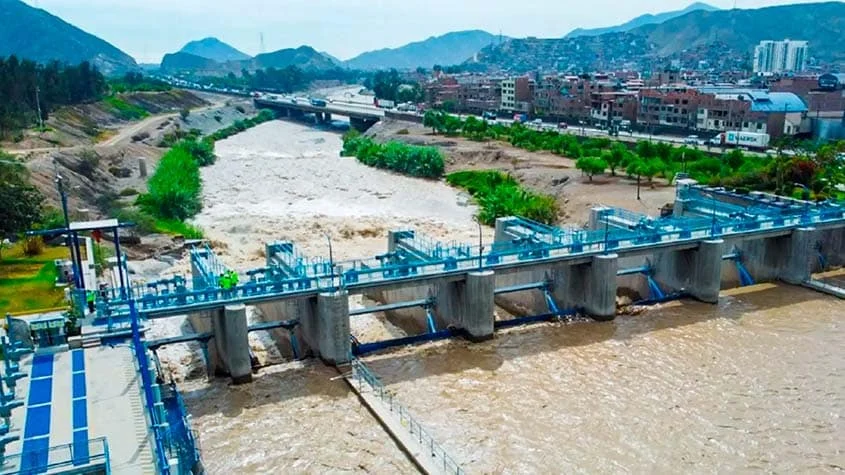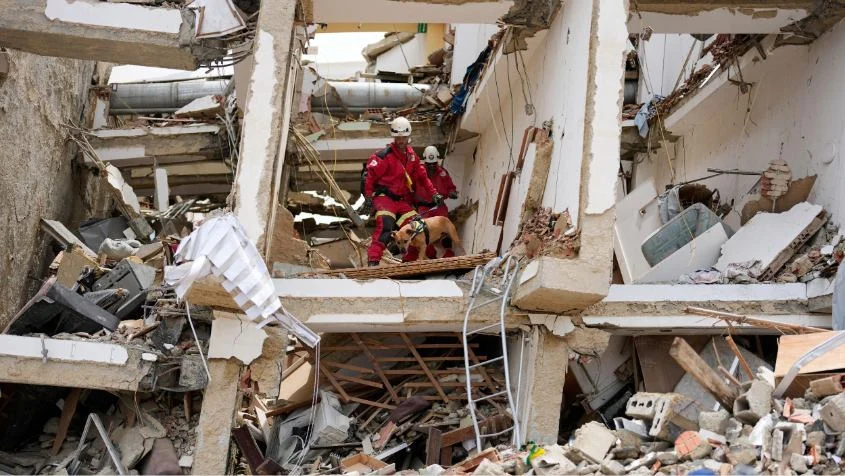
As the specter of the El Niño Phenomenon (FEN) looms over the 2026-2027 season, the Peruvian government is shifting from reactive emergency management to a proactive, logistics-driven strategy. Recognizing the critical vulnerability of the northern regions to intense rainfall and structural damage, the Ministry of Transport and Communications (MTC), through Provías Nacional, has unveiled a comprehensive mitigation plan centered on regional autonomy and rapid deployment capabilities.
The cornerstone of this initiative is the establishment of a centralized, 7,000-square-meter logistics hub in Piura, specifically designed to house modular bridges. This facility serves as a vital strategic reserve, ensuring that the necessary hardware for restoring connectivity is stationed within hours, rather than days, of potential road washouts or structural collapses.
Main Facts: A Hub for Northern Resilience
The logistics site, secured through a strategic partnership via a comodato (gratuitous loan) contract with the Caminati family, represents a paradigm shift in how Peru manages infrastructure emergencies. By consolidating bridge components that were previously fragmented across various smaller warehouses, the MTC has achieved three critical objectives: improved security of state assets, centralized inventory control, and significantly reduced mobilization times.
This facility is designated to serve the most vulnerable departments in the north: Piura, Tumbes, Lambayeque, and Cajamarca. By concentrating the supply chain in Piura, the MTC creates a "buffer zone" that can address failures along the non-concessioned National Road Network with unprecedented efficiency.
Chronology of Preparedness: From Callao to the North
The establishment of the Piura hub was not a spontaneous decision but the culmination of a months-long logistics operation. The timeline of this preparedness strategy reflects a sophisticated understanding of supply chain management:

- Mid-2026: Initial assessments identify the need for decentralized assets to combat potential FEN impacts.
- Late 2026: Provías Nacional initiates the "Corridor Humanitarian Maritime" initiative in partnership with DP World.
- Late 2026 (Operational Phase): A massive mobilization occurs, shifting 20 complete modular bridges from the central port of Callao to Paita. This maritime maneuver was chosen specifically to bypass land-based logistics bottlenecks, ensuring the safe and efficient transport of high-tonnage structural components.
- Current Status: The modular bridges have been successfully integrated into the newly established 7,000 m² facility, where they undergo rigorous inspection and categorization for rapid deployment.
Supporting Data: Engineering and Connectivity
While temporary bridges are essential for emergency response, the MTC is simultaneously pursuing a long-term strategy focused on permanent structural integrity. The logic is clear: modular bridges are the "first aid" of civil engineering, but permanent structures are the cure.
The current construction portfolio in the northern region includes:
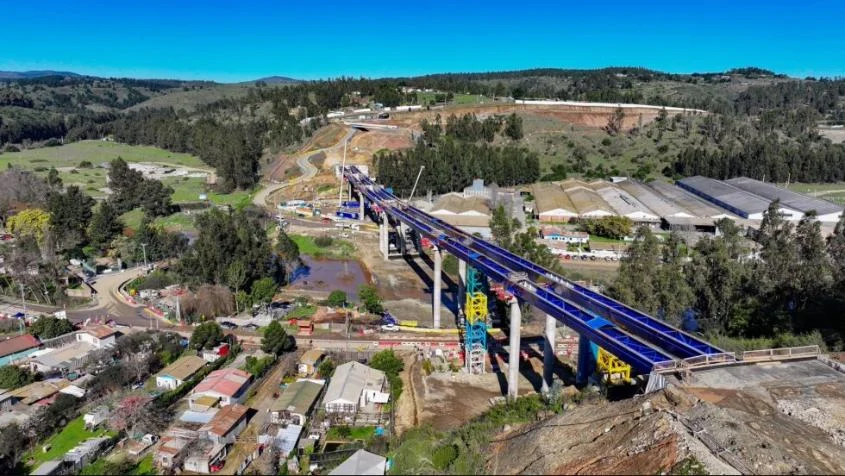
- Tambogrande-Chulucanas Corridor: A flagship project involving the construction of 11 permanent bridges. Six of these are on track for completion by December 2026, providing a critical boost to regional connectivity just as the peak of the rainy season approaches.
- Sullana-Tambogrande-Paimas Corridor: Two additional permanent bridges are currently under active construction, filling gaps in a network that has historically suffered from isolation during heavy rains.
- Bridge Rehabilitation: The successful completion of repairs on the Sullana Bridge marks a victory for regional logistics. By restoring this structure to its optimal service level, the MTC has secured a vital artery for the transport of goods, passengers, and emergency aid.
These investments are not merely aesthetic; they are designed to meet international engineering standards for flood resistance and high-traffic endurance, effectively "hardening" the northern road network against the inevitable climate volatility.
Official Responses and Strategic Vision
Government officials have emphasized that this plan is a departure from previous administrative cycles. "Our goal is to anticipate the catastrophe," noted a spokesperson from Provías Nacional. By moving the assets closer to the "front line," the government reduces the logistical burden of transporting heavy machinery and modular steel components over damaged highways.
The partnership with the private sector, notably the collaboration with DP World for maritime transport, underscores a broader strategy of public-private synergy. By leveraging existing commercial shipping routes, the MTC successfully optimized costs and reduced the carbon footprint of the mobilization effort, setting a new benchmark for state-led logistics.

Furthermore, the legal framework—the use of the comodato contract—demonstrates an agile approach to land management, allowing the state to bypass the lengthy bureaucratic delays associated with land acquisition while maintaining strict fiscal responsibility.
Implications: The Macro-Economic Impact
The implications of this strategy extend far beyond engineering. The northern regions of Peru are agricultural powerhouses. Any disruption to the road network results in a ripple effect that touches the national economy, inflating food prices and isolating rural communities.
Socio-Economic Stability
The maintenance of the "National Road Network" is the lifeline of the north. By ensuring that the Sullana-Tambogrande-Paimas and Tambogrande-Chulucanas corridors remain open, the MTC is essentially protecting the livelihoods of thousands of farmers who depend on these routes to bring their produce to markets and ports.
Disaster Risk Reduction (DRR)
This initiative aligns with the Sendai Framework for Disaster Risk Reduction, which emphasizes the necessity of investing in resilient infrastructure. By preparing for the 2026-2027 FEN, Peru is shifting from a culture of "emergency response" to a culture of "risk management."
Future-Proofing the North
The inclusion of permanent, high-durability structures alongside the modular bridge strategy suggests a tiered approach to infrastructure. If the FEN proves to be as intense as historical models predict, the modular bridges will act as the emergency backups, while the new permanent bridges will serve as the backbone of the region’s recovery, significantly reducing the "downtime" of economic activity in the event of severe weather.

Conclusion: A New Standard for Regional Logistics
As the 2026-2027 season approaches, the proactive measures taken by the MTC and Provías Nacional provide a glimmer of stability in an otherwise volatile climate landscape. The consolidation of a 7,000-square-meter hub in Piura, the successful deployment of 20 modular bridges, and the concurrent construction of permanent, resilient infrastructure represent a holistic approach to the challenges of the Fenómeno El Niño.
Peru is demonstrating that with strategic foresight, public-private collaboration, and a willingness to rethink traditional logistics, it is possible to protect both the economic vitality and the human safety of its northern populations. As the December 2026 deadline for the current batch of bridge completions arrives, the country will be better positioned than ever before to face the challenges of the Pacific climate, turning potential disaster into a manageable logistical exercise.
This model of "preparedness as policy" serves as a blueprint for other regions in Peru and neighboring Andean countries, proving that when infrastructure is treated as a proactive asset rather than a reactive expense, the entire nation benefits.