Executive Summary: Market Performance on October 26
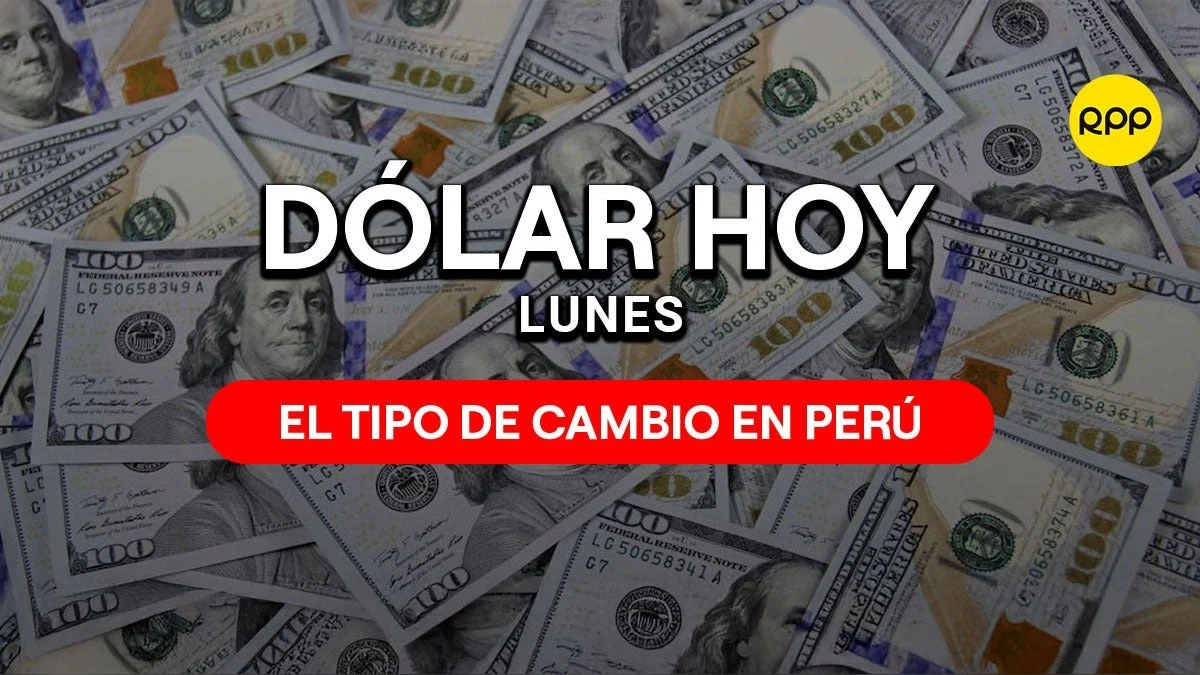
In the latest session of the Peruvian financial market, the United States dollar experienced a moderate depreciation against the Peruvian sol. According to the official closing data provided by the Central Reserve Bank of Peru (BCRP), the exchange rate settled at S/3.44. This reflects a daily decline of 0.17%, a movement that has drawn the attention of financial analysts and local consumers alike.
For the Peruvian economy, the strength of the sol is a critical indicator of macroeconomic stability. As the currency gains slight ground, the immediate effects are felt across the supply chain, particularly in the importation of consumer goods, technology, and essential raw materials. This article provides a comprehensive analysis of the current exchange rate landscape, the role of the dollar in the Peruvian economy, and the broader implications for the average citizen.
1. Chronology of Market Movements
To understand the significance of the S/3.44 valuation, one must view it within the context of recent weeks. The Peruvian foreign exchange market, known for its high degree of liquidity and openness, has been navigating a complex global environment.
- Early October Trends: The market opened the month with moderate volatility, influenced largely by global commodity prices and the strengthening of the dollar index (DXY) in international markets.
- Mid-Month Stabilization: By mid-October, domestic factors, including the BCRP’s intervention policy and local inflation expectations, helped stabilize the sol, preventing sharp fluctuations.
- October 26th Snapshot: The 0.17% drop observed on this Monday is part of a broader correction phase. Market observers noted that the volume of trading remained within standard parameters, suggesting that the movement was driven by organic market demand rather than speculative panic.
The consistency of the BCRP’s monetary policy remains the bedrock of these movements. By maintaining a managed float system, the central bank ensures that while the sol is susceptible to market forces, it is shielded from extreme volatility that could threaten internal price stability.
2. Supporting Data and Economic Context
The dollar-to-sol exchange rate is not merely a number on a ticker; it is a barometer for the nation’s economic health. The BCRP plays a pivotal role in this dynamic. By utilizing international reserves to temper excessive volatility, the bank provides the necessary liquidity to keep the market functioning smoothly.
Key Economic Indicators:
- Inflation Correlation: Historically, a stronger sol acts as a natural buffer against imported inflation. When the dollar weakens, the cost of goods denominated in foreign currency drops.
- Trade Balance: Peru remains a major exporter of minerals and agricultural products. While these exports are often priced in dollars, a strong local currency can sometimes compress the margins of exporters. However, the benefits to the import sector—such as lower costs for fuels and machinery—often balance the ledger.
- Consumer Price Index (CPI) Impact: The immediate impact of a lower exchange rate is often felt in the retail sector. Electronics, automotive parts, and certain food staples (such as wheat and corn) are highly sensitive to the S/3.44 rate.
3. Official Responses and Monetary Strategy
The Central Reserve Bank of Peru (BCRP) has maintained a transparent stance regarding its intervention strategies. Monetary authorities often emphasize that the exchange rate should reflect the fundamental conditions of the economy.
The Role of the BCRP
The BCRP does not target a specific exchange rate; rather, it seeks to minimize "excessive" volatility. In periods where the sol faces downward pressure, the bank may auction off certificates of deposit or inject dollars into the market to calm sentiment. Conversely, when the sol appreciates rapidly, the bank may purchase dollars to build up foreign exchange reserves, which serve as a critical safety net for the country in times of global economic distress.
"Our objective is to ensure that the transition in the currency market does not disrupt the purchasing power of the Peruvian families," a spokesperson for the monetary authority noted in recent briefings. This commitment to stability is why the sol remains one of the most resilient currencies in the Latin American region.
4. Implications for Consumers and Corporations
The fluctuation of the dollar is felt across every level of the Peruvian economy. From the small business owner importing textiles to the family paying off a mortgage, the exchange rate is a defining factor in monthly financial planning.
For the Average Consumer
When the dollar drops to S/3.44, the immediate effect is an increase in the "purchasing power" of the sol.
- Electronics and Imports: Consumers looking to purchase smartphones, computers, or imported household appliances will find that these items become relatively more affordable.
- Healthcare: Many essential medicines in Peru are imported. A stronger sol can lead to a reduction in the price of these products, easing the burden on household healthcare budgets.
For Businesses
Corporate entities that rely on imports operate on tight margins. For them, a stable or falling dollar is a welcome relief. It lowers the cost of production and allows for more predictable pricing strategies. Conversely, companies with debt denominated in dollars find their liabilities effectively reduced in local terms, improving their balance sheets.
5. Understanding the Dollar’s Dominance in Peru
The prevalence of the dollar in Peru—often referred to as "financial dollarization"—is a historical legacy that continues to shape modern commerce.
Why is the Dollar So Important?
- International Trade: As a small, open economy, Peru is deeply integrated into global markets. Most international transactions are settled in dollars.
- Savings and Investment: Many Peruvians historically viewed the dollar as a "safe haven" asset during periods of past economic instability. While the sol has gained significant credibility over the last two decades, a large segment of the population continues to hold savings in dollars.
- Credit Markets: A significant portion of long-term debt, including mortgage loans and corporate credit lines, is still indexed to the dollar. This creates a systemic link between the exchange rate and the debt-servicing capacity of households and firms.
Financial Literacy: A Vital Skill
Because of this high level of dollarization, financial literacy is paramount. Understanding how the exchange rate works empowers citizens to make informed decisions. For instance, those with dollar-denominated debt should be aware that a rising dollar increases their monthly payments. Similarly, those saving for the future should evaluate whether holding assets in a single currency exposes them to unnecessary risks.
6. The Outlook: Navigating Future Volatility
As we look toward the remainder of the year, several factors will dictate the trajectory of the exchange rate. Global interest rate decisions by the U.S. Federal Reserve, the price of copper (Peru’s primary export), and domestic political stability will be the primary drivers of the sol’s performance.
Long-term Stability
While the 0.17% decline on October 26 is a minor adjustment, it underscores the importance of the sol’s ongoing role in the economy. The BCRP’s adherence to inflation targeting and fiscal responsibility suggests that the currency will likely maintain its current trajectory of relative stability.
Final Recommendations for Stakeholders
- Diversification: Financial advisors continue to suggest that individuals maintain a balanced portfolio. Having assets in both soles and dollars can provide a hedge against sudden, unexpected market shifts.
- Debt Management: For those holding dollar-denominated loans, it is advisable to maintain a buffer in the budget to account for potential upward spikes in the exchange rate.
- Staying Informed: Monitoring the official daily updates from the BCRP and reputable financial news sources remains the best defense against market uncertainty.
In conclusion, the exchange rate of S/3.44 is a reflection of a functioning, responsive economy. While the fluctuation provides short-term relief to importers and consumers, the broader takeaway for the Peruvian public is the necessity of maintaining vigilance and understanding the fundamental economic forces that govern their daily lives. By keeping a watchful eye on the exchange rate, both individuals and enterprises can navigate the complexities of the global financial system with greater confidence and foresight.
The Peruvian economy, supported by the BCRP’s prudent management, remains a resilient player in the region, capable of absorbing external shocks and providing a stable foundation for growth. As October draws to a close, the market remains steady, offering a clear signal of the currency’s current standing and the path ahead.