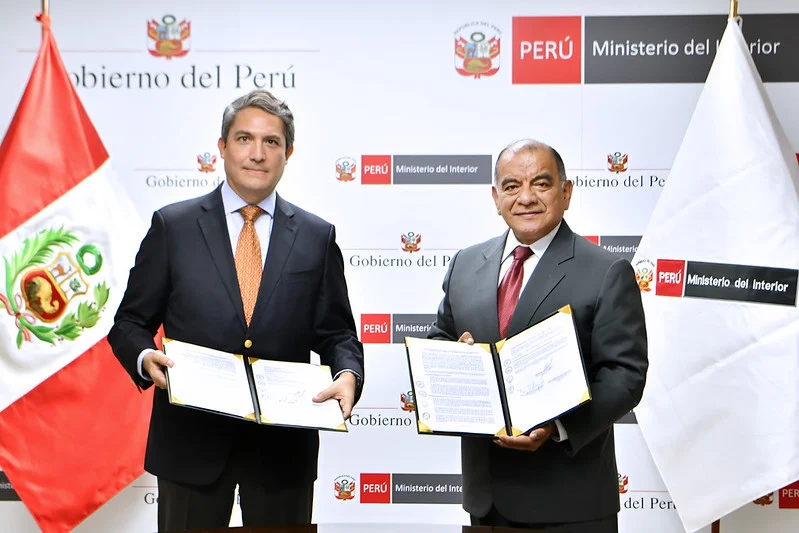
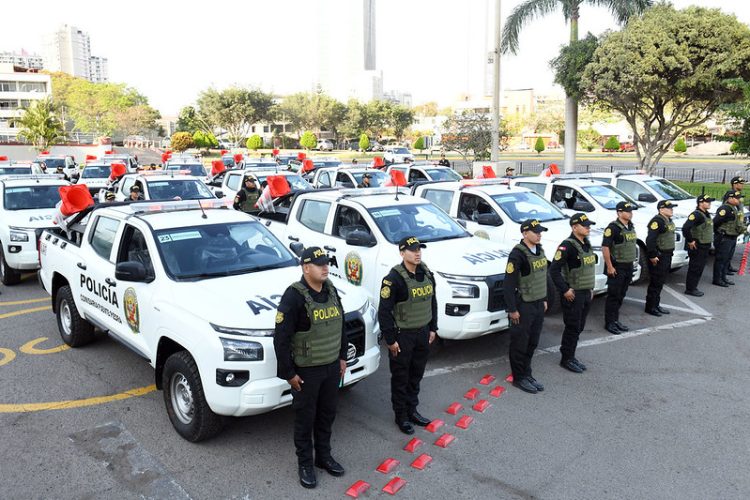
In a significant move aimed at bolstering the operational capacity of the Peruvian National Police (PNP), the Ministry of the Interior (Mininter) and the mining giant Anglo American Quellaveco have formalized a strategic cooperation agreement. This partnership, centered on the donation of 14 high-performance 4×4 vehicles, represents a pivotal step in the government’s ongoing commitment to professionalizing law enforcement and ensuring the safety of the Moquegua region.
The agreement serves as a blueprint for public-private collaboration, emphasizing that national security and regional development are inextricably linked. By providing the necessary infrastructure for rapid police deployment, this initiative aims to create a more resilient, responsive, and secure environment for the residents of Moquegua.
Main Facts: A Commitment to Operational Excellence
The core of this interinstitutional agreement is the acquisition and deployment of 14 specialized 4×4 patrol vehicles. These units are specifically designed to traverse the varied and often challenging terrain of the Moquegua region, ensuring that police personnel can reach remote areas, respond to emergencies with speed, and maintain a constant, visible presence in both urban centers and outlying districts.
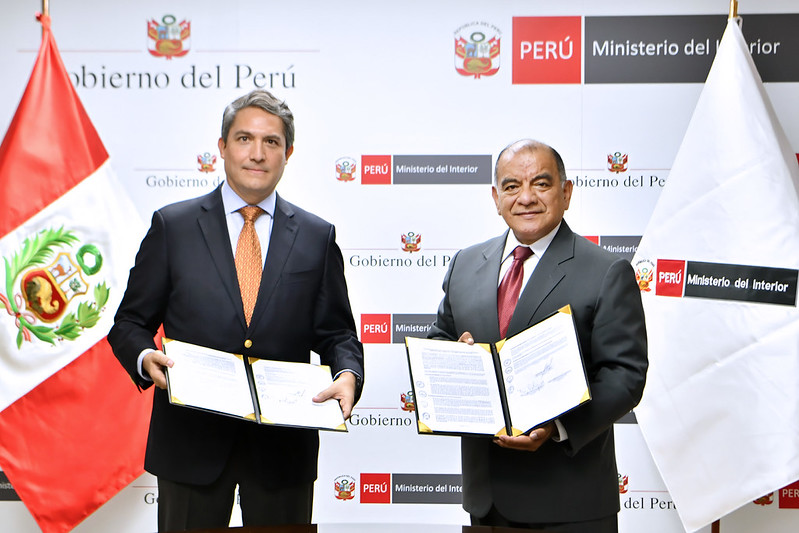
The agreement was signed by Minister of the Interior, César Astudillo Salcedo, and the Vice President of Corporate Affairs at Anglo American Quellaveco, Diego Ortega Meneses. The collaboration is not merely a one-time donation but a structured plan to integrate modern, reliable transport into the daily operations of local commissariats and specialized police units.
Key Highlights of the Agreement:
- Asset Allocation: 14 state-of-the-art 4×4 vehicles specifically equipped for police duty.
- Targeted Beneficiaries: Regional police units and local commissariats within the Moquegua jurisdiction.
- Operational Scope: Enhancement of preventative patrolling, emergency response, and tactical intervention.
- Duration: The agreement spans an initial 12-month period, with provisions for renewal via addenda, ensuring long-term institutional support.
Chronology of the Initiative: From Needs Assessment to Implementation
The journey toward this partnership began with a detailed assessment of the logistical challenges faced by the PNP in Moquegua. Recognizing that crime prevention is hindered by inadequate mobility, Anglo American Quellaveco initiated a dialogue with the Ministry of the Interior to identify how private sector support could yield the highest impact for public safety.
- Identification Phase: Following the initial discussions, technical teams from both the Ministry and the mining company evaluated the specific terrain and operational requirements of the Moquegua police force.
- Negotiation and Drafting: Over several months, legal and administrative teams refined the terms of the agreement to ensure full compliance with public procurement and donation protocols.
- Formalization: On the date of the signing, Minister Astudillo and Vice President Ortega confirmed the commitment, transitioning the project from conceptual design to active execution.
- Deployment Timeline: Following the signing, the vehicles are scheduled to undergo necessary branding and equipment installation to meet PNP standards. The rollout is expected to occur in the coming months, marking the start of a year-long intensive cooperation period.
Supporting Data: Why Modernized Logistics Matter
Modern criminal activity is increasingly mobile and complex. In a region like Moquegua, where economic activity is surging due to the presence of significant mining operations, the strain on existing security infrastructure is palpable.
Statistical analysis of police response times indicates that for every 10 minutes of delay in police arrival, the probability of apprehending suspects or preventing further damage drops by a significant margin. The 14 new vehicles will:
- Reduce Response Times: By replacing aging, high-maintenance fleet vehicles, the PNP will see a drastic reduction in downtime, ensuring more vehicles are "on the road" at any given time.
- Increase Geographic Coverage: The 4×4 capability allows for effective patrolling in the diverse topography of the region, from the Andean highlands to the coastal valleys.
- Enhance Officer Safety: Modern vehicles come equipped with upgraded safety features, providing better protection for officers operating in high-risk scenarios.
- Boost Deterrence: A modernized fleet increases the visibility of the state, serving as a powerful visual deterrent to criminal elements.
Official Responses: Aligning Visions for Public Safety
Minister of the Interior, César Astudillo Salcedo
During the signing ceremony, Minister Astudillo emphasized the philosophical foundation of the agreement: "Security is the bedrock of progress. Without a secure environment, sustainable development is an impossible goal. This specific agreement allows us to bring tangible safety to the population of this area. For the Ministry, it is of paramount importance that the private sector contributes to the task of maintaining order."
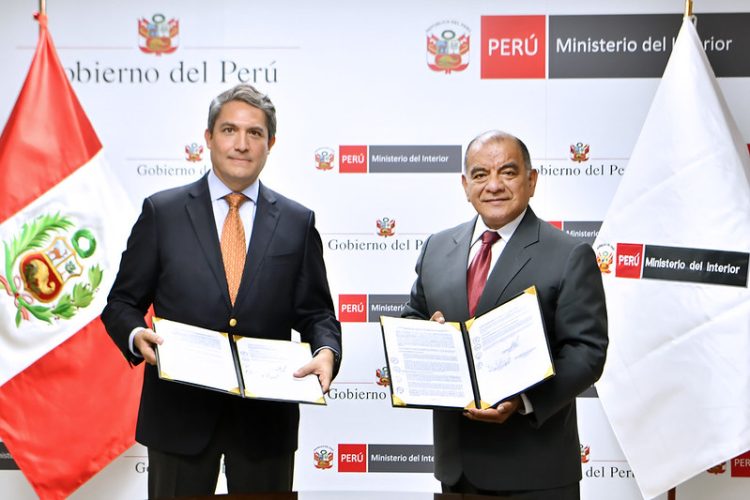
The Minister further praised the collaborative spirit shown by Anglo American, highlighting that the state cannot work in a vacuum. He noted that the donation is a "concrete support" that addresses the immediate, daily challenges faced by officers on the front lines.
Vice President of Corporate Affairs, Anglo American, Diego Ortega Meneses
Representing the company, Diego Ortega underscored the company’s "Social License to Operate." He noted that the company’s commitment extends beyond the economic sphere: "Beyond economic development, it is fundamental that the population feels secure and tranquil. The presence of a well-equipped National Police force is essential for that peace of mind. We identified the needs of the region, listened to the authorities, and determined that this was the most efficient way to contribute to the common good."
Ortega expressed confidence that these units would be operational soon, stating, "Today, that willingness is a reality. In the coming months, these units will be fully integrated into the police force, reinforcing the security apparatus of Moquegua."
The Strategic Implications of Public-Private Partnerships
The agreement between Mininter and Anglo American Quellaveco is more than just a logistical upgrade; it is a model for the future of national governance in Peru. As the country seeks to foster economic growth, the role of private companies in supporting public infrastructure—specifically security—is becoming increasingly vital.
Strengthening Institutional Trust
When private entities support public safety, it builds a bridge of trust between the community, the state, and the industry. It signals to the residents of Moquegua that their safety is a shared priority, thereby reducing the friction that often exists in regions with significant industrial activity.
The Multiplier Effect on Regional Economy
A secure region is an attractive region. By reducing crime, the Moquegua authorities are creating a more stable environment for local businesses, tourism, and community life. The economic development fostered by mining is only sustainable if the social environment is stable, and this initiative acts as a stabilizing force.
A Scalable Model
The success of this 12-month program could serve as a pilot for similar interventions across Peru. By standardizing the process for private-sector donations to the PNP, the Ministry of the Interior can streamline how it addresses logistical deficits in other regions, allowing for more agile and responsive public policy.
Conclusion: A Collaborative Future
The formalization of this agreement marks a milestone for Moquegua. As the 14 new 4×4 vehicles begin to patrol the region, they will represent more than just machinery; they will stand as a symbol of a functional, forward-thinking partnership between the Peruvian State and the private sector.
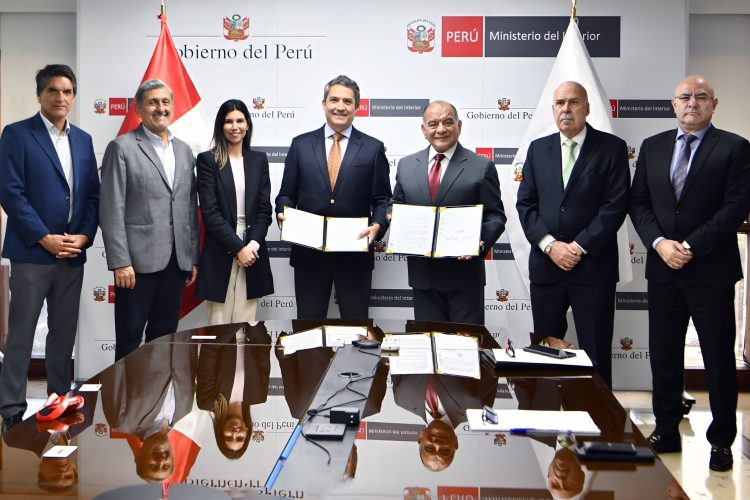
As noted by the officials present, including Vice Minister of Public Security, Alberto Jordán, and Mininter Secretary General, Carlos Alberto Díaz Dagnino, the success of this initiative relies on the continued, disciplined coordination between the police hierarchy and the local stakeholders. With a clear vision, a defined timeline, and a shared goal of safety, the partnership between Anglo American and the Ministry of the Interior offers a hopeful template for the future of citizen security in Peru.
As the vehicles hit the roads in the coming months, the citizens of Moquegua can expect a more vigilant and better-equipped police force, ultimately ensuring that the region’s development is accompanied by the peace and security it deserves.