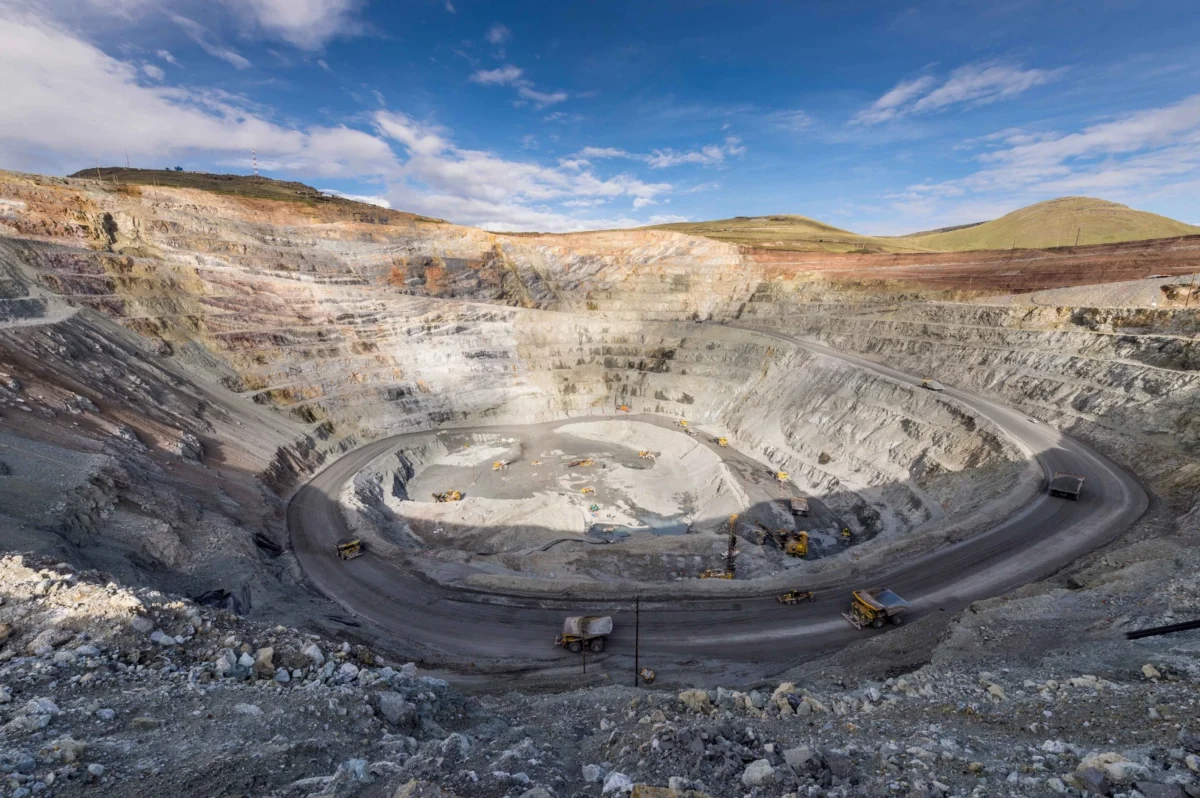
The Peruvian mining sector, the backbone of the national economy, is experiencing a period of renewed vitality. According to the latest data released by the Ministry of Energy and Mines (MINEM), the country has witnessed a remarkable surge in capital deployment during the first seven months of 2026. This resurgence in investment not only signals confidence from global stakeholders but also reinforces Peru’s position as a premier destination for mining capital in Latin America.
Main Facts: A Mid-Year Performance Overview
The official statistics provided by the General Directorate of Mining Promotion and Sustainability of the MINEM reveal that cumulative mining investment from January to July 2026 reached an impressive US$4,117 million. This figure represents a staggering 45% increase compared to the US$2,839 million recorded during the same period in 2025.
The momentum gathered pace as the months progressed, culminating in a standout performance in July 2026. In that month alone, the sector saw an injection of US$812 million. This monthly milestone is particularly significant, as it represents a 22.7% increase over June 2026 and a formidable 55.1% rise compared to July 2025. This data confirms that 2026 is on track to be one of the most productive years for mining capital expenditure in recent memory.
Chronology of Growth: The 2026 Investment Arc
The growth witnessed in 2026 is not isolated to a single segment of the mining value chain. Instead, it reflects a broad-based intensification of activities across various operational fronts.
The First Quarter: Setting the Foundation
The early months of 2026 were defined by a shift in strategy among major operators. Following a period of consolidation in late 2025, mining companies moved decisively to ramp up development and preparation works. This initial phase was characterized by clearing regulatory hurdles and mobilizing equipment, which served as the launchpad for the aggressive investment pace observed in the subsequent months.
The Second Quarter: Scaling Operations
As the year progressed into the second quarter, the "Development and Preparation" category began to show exponential growth. By investing heavily in stripping, tunneling, and infrastructure readiness, companies ensured that they could meet production targets in the latter half of the year.
July 2026: A Record-Breaking Peak
July emerged as a pivotal month. With US$812 million in capital investment, the industry demonstrated that project execution is no longer merely in the planning or early construction phase but is actively scaling toward full operational capacity. This peak month served as a litmus test for the industry’s logistical and financial capabilities, which have proven to be robust.
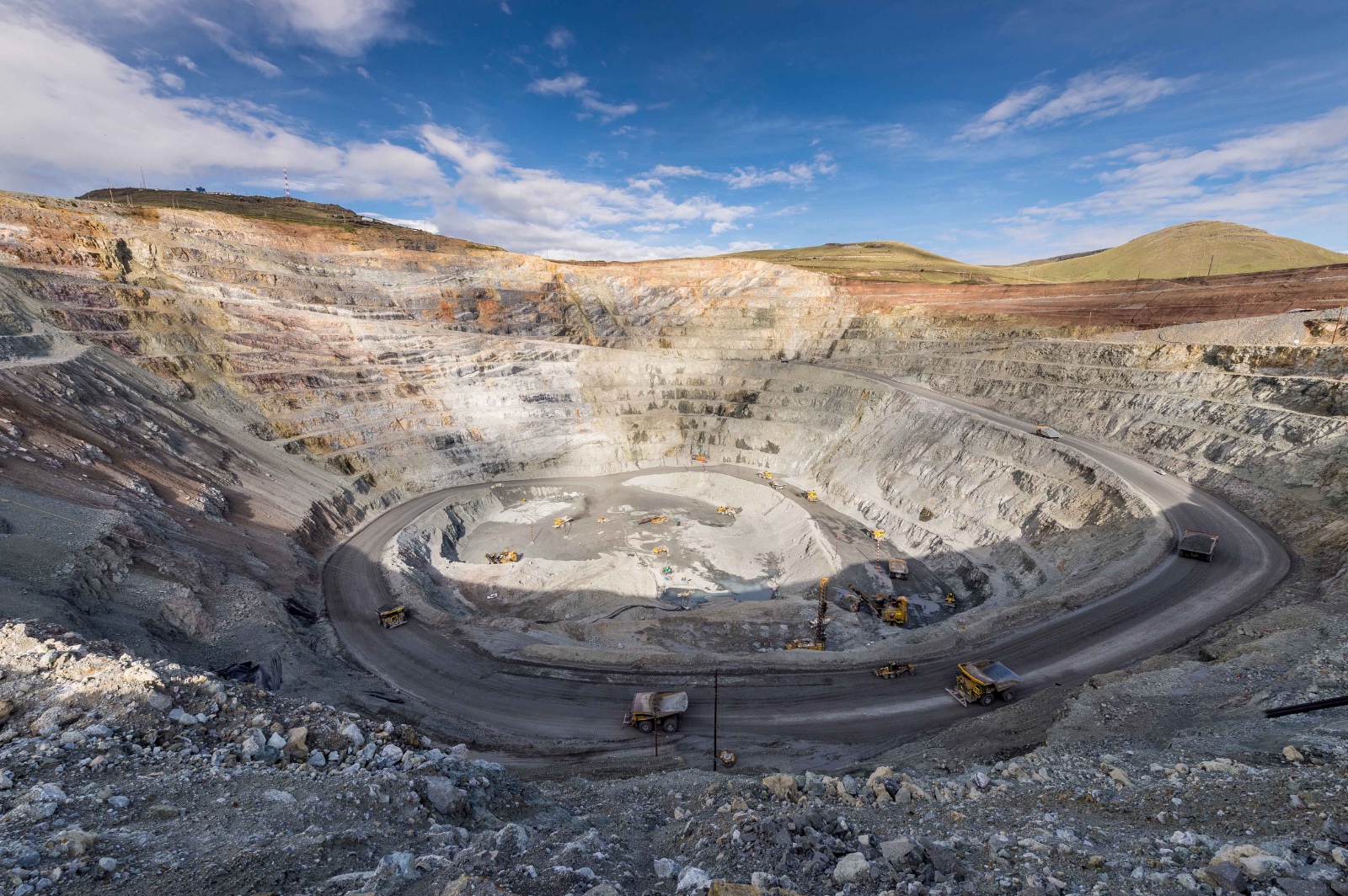
Supporting Data: Sectoral Breakdown of Investments
The strength of the mining sector is best understood through the specific segments where capital is being deployed. The Ministry’s Boletín Estadístico Minero (BEM) provides a granular look at where the money is flowing.
Development and Preparation
This sector saw the most dramatic growth, with a cumulative investment of US$888 million, a massive 108.7% increase over the US$426 million reported by July 2025. The July figure of US$183 million underscores an industry that is actively expanding its extraction capacity.
Infrastructure Expansion
Infrastructure remains the backbone of mining success. With US$1,128 million invested in the first seven months, this category saw a 70.5% growth compared to the previous year. Projects such as energy transmission lines, access roads, and water management systems are essential to sustaining large-scale mining operations, and the current investment levels reflect a long-term commitment to site connectivity and resource efficiency.
Planta de Beneficio (Processing Plants)
Investment in processing facilities totaled US$707 million, a healthy 21.3% increase. This investment is critical for improving recovery rates and processing efficiency, allowing operators to maximize the value extracted from mineral ores.
Equipment and Technology
Mining technology is the engine of modern productivity. Investment in "Equipamiento Minero" reached US$493 million. While this shows a more modest year-to-date growth of 3.8%, the month-over-month spike in July (a 103.4% increase compared to June) indicates a rapid cycle of fleet modernization and technological upgrades being deployed on-site.
Exploration and Other Activities
Exploration is the lifeblood of the mining industry. With US$412 million spent through July, there is a steady 2.8% growth in this area, ensuring a pipeline of future projects. Furthermore, the "Others" category—which encompasses complex logistical requirements such as dam construction, land acquisition, and environmental mitigation—reached US$489 million, a 66.7% increase, highlighting the industry’s focus on responsible and sustainable project development.
Geographical Distribution: The Mining Hubs
While the benefits of mining are felt across the national economy, certain regions continue to act as the primary engines of the industry.
- Arequipa: Maintaining its leadership, Arequipa accounted for US$654 million in investment, representing 15.9% of the national total. Its mature mining ecosystem continues to attract the lion’s share of capital.
- Ica: Securing second place, Ica attracted US$586 million, or 14.2% of the national total, driven by significant investments in large-scale copper and iron operations.
- Moquegua: With US$415 million (10.1%), Moquegua remains a critical player, hosting some of the most technologically advanced and high-output mines in the country.
Official Perspectives and Implications
The MINEM’s report is more than just a list of figures; it is a declaration of economic health. Government officials view this surge in investment as a direct consequence of improved regulatory clarity and the commitment of mining companies to accelerate the development of their portfolios.
Economic Implications
The direct injection of over US$4.1 billion into the economy has a multiplier effect. It drives employment in remote regions, supports a vast network of local suppliers, and contributes significantly to tax revenues, which are essential for regional infrastructure development. The 45% increase in investment suggests that Peru’s mining sector is successfully decoupling from the volatility that has hampered other emerging markets.
Sustainability and Future Outlook
The focus on "Development and Preparation" and "Infrastructure" suggests that the current mining boom is built on solid, long-term foundations rather than speculative short-term gains. By investing in processing plants and infrastructure, companies are ensuring that their operations will remain viable and competitive for decades to come.
However, the industry faces the ongoing challenge of maintaining this momentum amidst global market fluctuations and domestic social requirements. The significant investment in the "Others" category—which includes social investment and community-related infrastructure—indicates that mining companies are increasingly prioritizing "social license to operate" as a core component of their financial strategy.
Conclusion
The first seven months of 2026 have been a transformative period for the Peruvian mining industry. With a 45% increase in total investment, the sector has demonstrated both resilience and ambition. By effectively balancing capital expenditure between extraction, processing, and social/environmental infrastructure, the industry is not only fueling the current economic cycle but is also laying the groundwork for a more efficient, technologically advanced, and sustainable mining future.
As the year enters its final quarter, all eyes will be on whether this growth trajectory can be sustained. If the current pace holds, 2026 will undoubtedly be recorded as a banner year for the Peruvian mining sector, further cementing the nation’s status as a global leader in mineral production.