Pataz Region, Peru – In a significant testament to its commitment to community development and the preservation of invaluable cultural heritage, Compañía Minera Poderosa, through its dedicated social arm, Asociación Pataz, has successfully completed and officially handed over the comprehensive restoration of the historic Iglesia de Quiches. This ambitious undertaking, representing an investment of S/ 591,000 from Poderosa, alongside a substantial community contribution exceeding S/ 48,000, underscores a powerful synergy between corporate responsibility and local engagement, breathing new life into a cornerstone of the Pataz region’s identity.
The restoration project was initiated in response to the advanced state of deterioration that afflicted the centuries-old church, a consequence of the relentless passage of time and environmental factors. The initiative aimed not only to arrest further decay but to meticulously restore the church’s structural integrity and architectural grandeur, ensuring its survival for future generations. The comprehensive scope of work addressed critical elements, including the structural reinforcement of the main altar wall (muro testero), meticulous repair of the façade, the complete renovation and expert installation of the intricate altarpiece, the delicate cleaning and conservation of priceless artistic elements, the replacement of the entire interior flooring, and the construction of a much-needed sacristy.
Beyond the immediate structure of the church, the project extended to enhancing its surrounding environment and accessibility. This included the thoughtful paving of protective walkways, the construction of both internal and external stone staircases designed to blend harmoniously with the existing aesthetic, and the implementation of a crucial rainwater drainage system. A guiding principle throughout all phases of the restoration was the unwavering commitment to employing traditional materials and techniques, ensuring that the interventions respected and preserved the original character and historical authenticity of the venerable edifice.
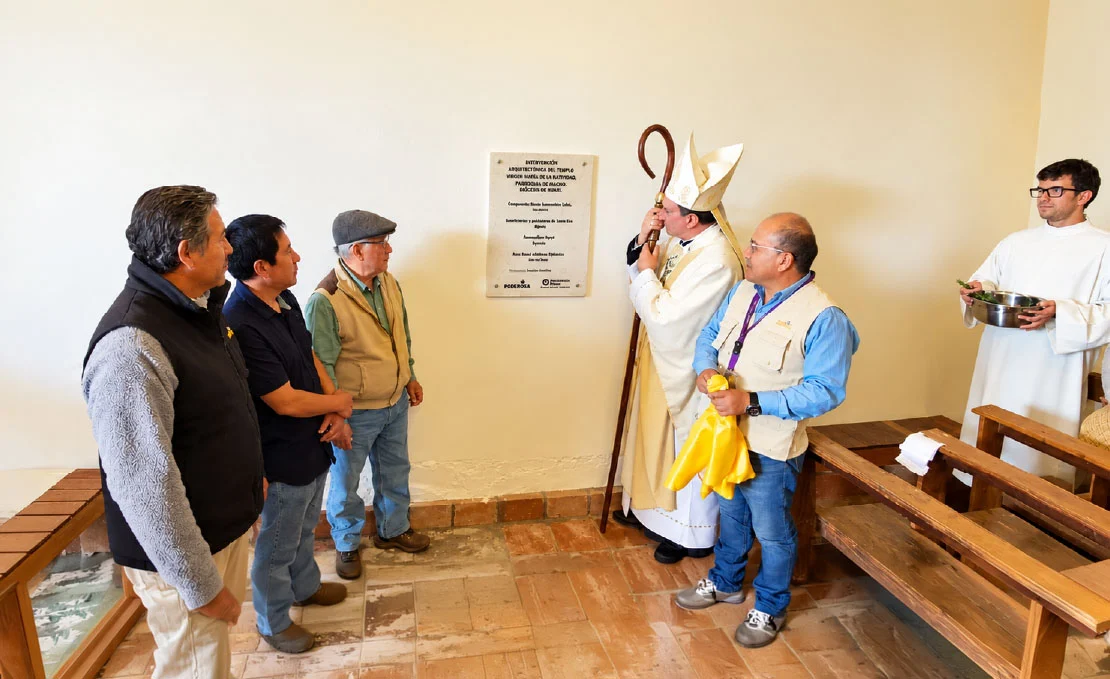
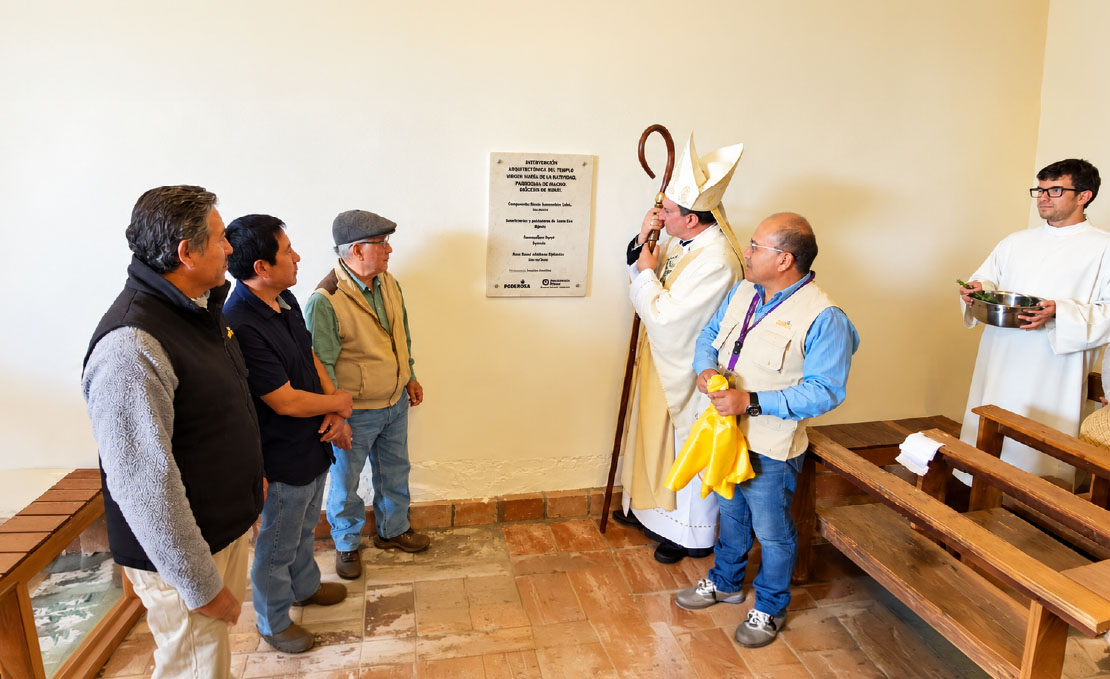
The successful completion of this monumental project was celebrated with an inauguration ceremony that brought together key stakeholders, community leaders, and representatives of both Compañía Minera Poderosa and Asociación Pataz. The event served as a powerful platform to acknowledge the collaborative spirit that drove the project to fruition and to highlight its profound significance for the Quiches community and the wider Pataz region.
A Deep Dive into the Restoration: Meticulous Work for Enduring Legacy
The structural and architectural restoration of the Iglesia de Quiches was a multi-faceted endeavor, requiring a delicate balance of modern engineering principles and an intimate understanding of historical construction methods. The church, a silent witness to centuries of local history and faith, had begun to show the visible signs of age, prompting an urgent need for intervention.
Structural Reinforcement and Façade Restoration: The primary structural integrity of the church was a paramount concern. The muro testero, the main altar wall, which often bears significant structural load and can be susceptible to seismic activity or water ingress, underwent extensive reinforcement. This involved careful assessment of its condition, followed by the application of appropriate strengthening techniques that maintained its original aesthetic. The church’s façade, the first point of contact for visitors and a key element of its visual identity, was meticulously repaired. This involved the consolidation of damaged stonework, repointing of mortar joints using historically accurate materials, and the restoration of any eroded or missing decorative elements, ensuring that the façade once again presented a dignified and welcoming appearance.
Artistic Preservation and Enhancement: The interior of the Iglesia de Quiches is adorned with artistic treasures that hold immense cultural and spiritual value. The renovation of the retablo, the ornate altarpiece, was a particularly sensitive and intricate task. This involved the careful disassembly, cleaning, repair, and reassembly of the various carved and gilded elements, many of which were showing signs of age, insect damage, or paint deterioration. The cleaning of other artistic elements, such as religious paintings or decorative carvings, was carried out by specialists employing conservation techniques that would not cause further harm. The goal was to reveal the original vibrancy and detail of these artworks, allowing them to be appreciated anew.
Interior Modernization and Functional Improvements: The replacement of the entire interior floor was a significant undertaking that addressed both aesthetic and practical concerns. An outdated or damaged flooring can detract from the sanctity of a religious space and also pose tripping hazards. The new flooring was chosen to be durable, aesthetically pleasing, and in keeping with the historical context of the church. The construction of a sacristy was a crucial functional improvement. The sacristy serves as a preparation area for clergy before and after services, and its absence or inadequate state could hinder the smooth running of religious ceremonies. The new sacristy was designed to be functional, respectful of the church’s architecture, and to provide the necessary space for vestments, liturgical books, and other essential items.
External Enhancements and Environmental Protection: Recognizing that the church’s longevity depends on its surroundings, the project also focused on external improvements. The paving of protective walkways around the church was essential for both pedestrian safety and to help manage water runoff, preventing it from saturating the church’s foundations. The construction of stone staircases, both internal and external, improved accessibility and provided a more defined and aesthetically pleasing transition between different levels. Crucially, the implementation of a robust rainwater drainage system was vital. Proper drainage prevents water from accumulating around the church’s base, a common cause of structural damage to foundations and walls. By diverting rainwater effectively, the system significantly contributes to the long-term preservation of the building.
Chronology of a Revitalization: From Recognition to Revelation
While the article does not provide a detailed chronological breakdown of the restoration process, the successful completion and handover imply a structured sequence of events that likely unfolded over a significant period.
Phase 1: Assessment and Planning: The initial stage would have involved a thorough assessment of the Iglesia de Quiches’ condition by architectural and conservation experts. This would have included detailed surveys, structural analyses, and identification of all areas requiring intervention. Based on this assessment, a comprehensive restoration plan would have been developed, outlining the scope of work, materials, techniques, and estimated costs. This phase would also have involved securing the necessary permissions and approvals from relevant heritage and governmental bodies.
Phase 2: Funding and Partnership Establishment: Compañía Minera Poderosa, through Asociación Pataz, committed the substantial financial resources required for the project. Simultaneously, a strong partnership with the Quiches community would have been forged, defining their role in providing local materials and non-skilled labor, as stipulated in the S/ 48,000+ contrapartida. This phase is critical for ensuring community buy-in and participation, which is vital for the long-term success of such projects.
Phase 3: Execution of Restoration Works: This would have been the longest and most intensive phase, involving the skilled artisans, engineers, and laborers undertaking the various restoration tasks. This would have progressed in stages, addressing structural issues, façade repairs, interior renovations, and the construction of new facilities. Throughout this phase, regular site inspections and quality control measures would have been implemented to ensure adherence to the restoration plan and the highest standards of workmanship.
Phase 4: Inauguration and Handover: Upon the successful completion of all restoration activities, a formal inauguration ceremony would have been held. This event serves to celebrate the achievement, acknowledge the contributions of all involved, and officially return the revitalized church to the community for its continued use and enjoyment. The handover signifies the successful conclusion of the project and the beginning of a new chapter for the Iglesia de Quiches.
Supporting Data: Investment and Community Collaboration
The financial figures associated with the restoration of the Iglesia de Quiches highlight the scale of the investment and the collaborative spirit that characterized the project.
- Total Investment: S/ 591,000 contributed by Compañía Minera Poderosa. This substantial sum underscores Poderosa’s significant commitment to cultural preservation and community development in the Pataz region. It represents a direct investment in safeguarding a tangible piece of history.
- Community Contribution (Contrapartida): Exceeding S/ 48,000. This contribution, primarily in the form of local materials and non-skilled labor provided by the Quiches community, is a powerful indicator of local engagement and ownership. It demonstrates that the community actively participated in the restoration of their beloved church, not just as recipients but as active contributors. This model of shared responsibility is often key to the sustainability of community-based projects.
- Materials and Labor: The emphasis on using traditional materials and respecting original elements speaks to a thoughtful and historically sensitive approach. The inclusion of non-skilled labor from the community not only reduced costs but also provided valuable employment opportunities and skill-sharing within Quiches.
This financial structure exemplifies a successful public-private partnership where corporate resources are leveraged to achieve significant social and cultural impact, amplified by the active participation and investment of the local community.
Official Responses: Voices of Gratitude and Commitment
The inauguration ceremony provided a platform for key figures to express their appreciation and reiterate their commitment to ongoing community development initiatives.
Gilder Quiñones, Head of Projects at Asociación Pataz, articulated the profound significance of the restored church for the community. He stated, "This work represents an important contribution to the community. It is not merely a physical restoration but a reinforcement of our shared cultural identity and traditions. Poderosa and Asociación Pataz remain steadfast in our commitment to fostering initiatives that enrich the cultural fabric and preserve the traditions of the communities where we operate." His words underscore the strategic importance of such projects within Poderosa’s broader social responsibility framework, emphasizing a long-term vision for community well-being.
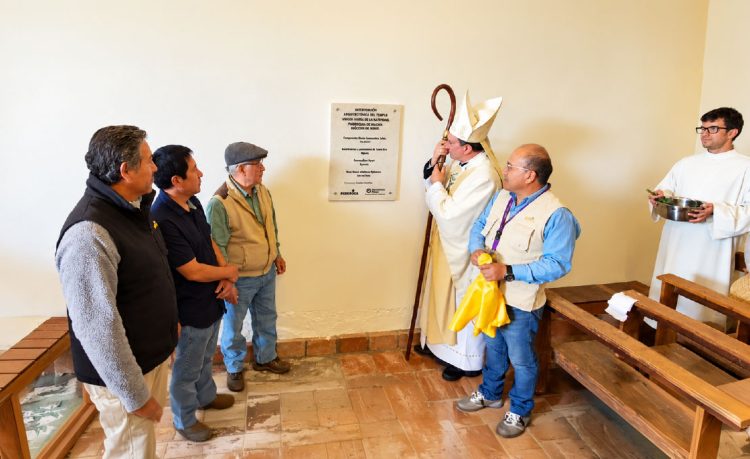
Father Isidro Avendaño, the parish priest of the Iglesia de Quiches, conveyed his heartfelt gratitude to Compañía Minera Poderosa for their instrumental role in the restoration. "We are deeply thankful to Minera Poderosa for their keen interest and generous contribution to this sacred center. We also extend our sincere appreciation to Asociación Pataz for their diligent work. This significant achievement was made possible by a shared vision and a collective will to preserve our heritage." Father Avendaño’s remarks highlight the spiritual and emotional impact of the restoration, recognizing the church as more than just a building but a vital hub of community life and faith. His emphasis on "voluntad conjunta" (joint will) powerfully captures the essence of successful collaborative endeavors.
These official statements collectively reinforce the positive impact of the restoration, framing it as a symbol of successful collaboration and a stepping stone for future community development efforts in the Pataz region.
Implications: A Beacon of Cultural Preservation and Community Empowerment
The successful restoration of the Iglesia de Quiches by Compañía Minera Poderosa, in partnership with Asociación Pataz and the Quiches community, carries significant implications that extend far beyond the physical revitalization of a single building.
Preservation of Tangible Cultural Heritage: At its most fundamental level, the project ensures the survival of a historical and architectural landmark. The Iglesia de Quiches, through its structure, artistry, and historical context, represents a tangible link to the past. By undertaking this restoration, Poderosa and Asociación Pataz have actively contributed to the safeguarding of Peru’s rich cultural heritage, ensuring that future generations can connect with and learn from their history. This act of preservation is crucial in a world where historical sites are increasingly vulnerable to neglect and development pressures.
Strengthening Community Identity and Pride: Historic religious structures often serve as central gathering places and potent symbols of community identity. The restoration of the Iglesia de Quiches has undoubtedly fostered a renewed sense of pride and belonging among the residents of Quiches. The shared experience of contributing to the project, from the financial investment to the physical labor, has likely strengthened social bonds and reinforced a collective commitment to their heritage. This empowerment of local identity is a critical outcome of successful community development initiatives.
Model for Corporate Social Responsibility: The project serves as an exemplary model for how mining companies and other large corporations can engage in meaningful and impactful social responsibility initiatives. Compañía Minera Poderosa’s investment, coupled with Asociación Pataz’s expertise and the community’s active participation, demonstrates a holistic approach that prioritizes not only economic contributions but also the preservation of cultural and social capital. This collaborative model, where corporate resources are strategically deployed to support community-identified needs and aspirations, can foster positive relationships and create lasting social value.
Economic and Tourism Potential: While not explicitly stated as a primary goal, the restoration of a significant historical site can also unlock economic opportunities. A well-preserved and accessible historical church can become a point of interest for cultural tourism, potentially attracting visitors to the Pataz region. This, in turn, can create local employment and stimulate economic activity, further benefiting the community.
Legacy of Collaboration: The most profound implication of this project is the demonstration of what can be achieved when a corporate entity, a dedicated social organization, and a motivated community work in concert. The "joint will" celebrated by Father Avendaño is the driving force behind transformative change. The success of the Iglesia de Quiches restoration sets a powerful precedent for future collaborations, signaling that through shared vision and commitment, significant challenges can be overcome, and invaluable heritage can be preserved for generations to come. The revitalized church stands not just as a monument to the past, but as a testament to the enduring power of collective action and responsible stewardship.