Introduction: A Strategic Commitment to Educational Excellence
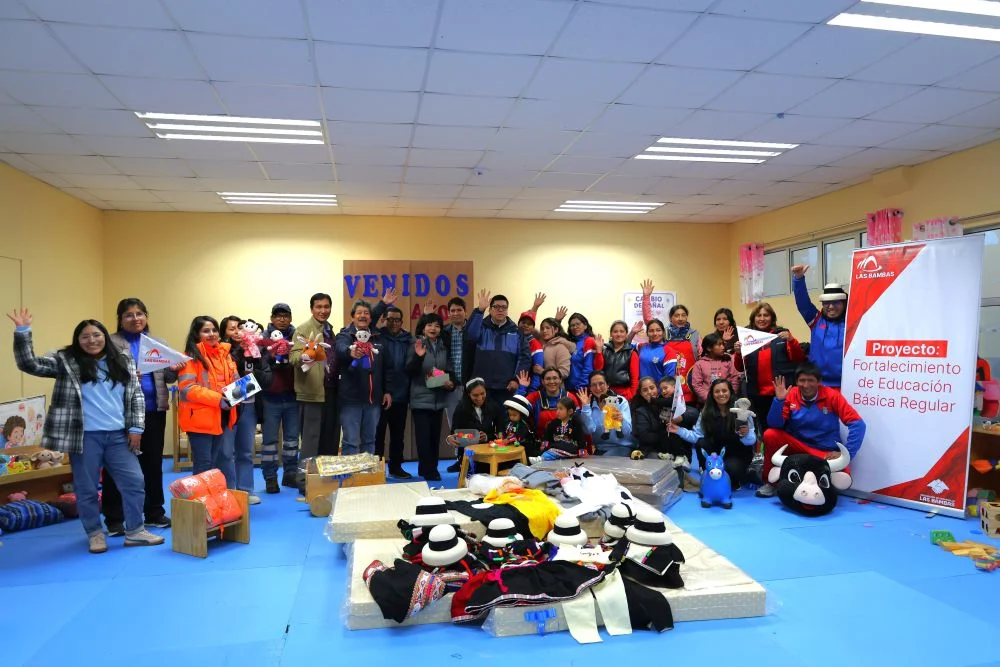
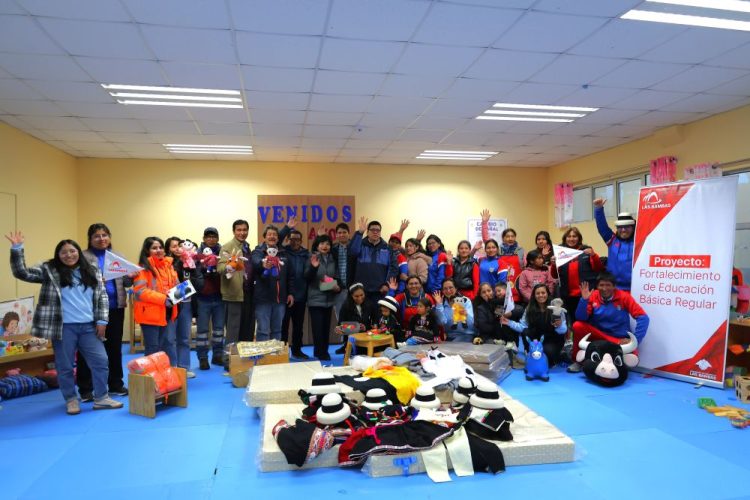
In a significant stride toward bridging the educational gap in the Apurímac region, Minera Las Bambas has successfully executed a comprehensive support program for the Cuna Jardín (nursery and kindergarten) of the Fuerabamba Educational Institution. Through its "Project for the Strengthening of Regular Basic Education," the mining company—in close coordination with the Cotabambas Local Management Unit (UGEL Cotabambas)—delivered a specialized suite of educational materials, pedagogical resources, and modern classroom furniture.
This initiative represents more than a mere donation; it is a calculated investment in the foundational years of childhood development. By providing the essential tools for early learning, Las Bambas aims to catalyze a long-term shift in academic outcomes for the children of Fuerabamba, ensuring that geographic or socioeconomic barriers do not hinder their potential.
Main Facts: The Scope of the Intervention
The recent ceremony held at the Fuerabamba facility served as a testament to the collaborative spirit between the private sector, local government, and the community. The intervention focused on three core pillars:
- Pedagogical Infrastructure: Upgrading the physical environment of the classroom with ergonomic and age-appropriate furniture, designed specifically to facilitate comfort and focus for early-age learners.
- Resource Integration: Supplying high-quality, state-approved educational materials that align with the national curriculum, focusing on cognitive stimulation and sensory development.
- Lúdico (Play-Based) Learning Tools: Introducing resources specifically curated to foster creativity, social interaction, and motor skills, recognizing that play is the primary vehicle for learning during early childhood.
The equipment was handed over in the presence of a diverse stakeholder group, including local community leaders, the board of directors of the Fuerabamba community, faculty members, and representatives from both the UGEL Cotabambas and the Las Bambas Development Association.
Chronology of Development: Building Partnerships
The success of this initiative is the result of a multi-staged planning process that underscores the complexity of community-based CSR (Corporate Social Responsibility) programs in the mining sector:
- Phase I: Needs Assessment (Q1-Q2): Through ongoing dialogue, representatives from Las Bambas and the pedagogical staff at the I.E. Fuerabamba identified specific gaps in the facility’s ability to provide a modern, stimulating environment for its students.
- Phase II: Coordination with UGEL Cotabambas: To ensure the materials were not only high-quality but also compliant with regional educational standards, the project was vetted by the UGEL authorities. This alignment ensures that the support is sustainable and fits into the broader regional strategy for basic education.
- Phase III: Procurement and Logistics: Given the challenging topography and logistical requirements of the Cotabambas province, the delivery of furniture and specialized resources required meticulous planning to ensure the integrity of the materials upon arrival.
- Phase IV: Inauguration and Handover: The formal delivery ceremony marked the culmination of this effort, transitioning from the planning phase to the active implementation phase, where students began using the new resources immediately.
Supporting Data: Why Early Childhood Matters
Scientific research into child development, particularly in rural and high-altitude Andean communities, emphasizes the "Golden Window"—the period from birth to age five where the brain is at its most plastic. According to international educational standards, investments in early childhood education have a "multiplier effect" on a child’s lifetime earnings and cognitive capabilities.

In the context of Cotabambas, the focus on "lúdico" (play-based) resources is strategic. For children in rural areas, access to toys and tools that promote spatial reasoning, social cooperation, and fine motor skills is often limited. By providing these tools, Las Bambas is effectively leveling the playing field, ensuring that the children of Fuerabamba have access to the same developmental stimuli as their peers in more urbanized centers.
Official Responses and Stakeholder Perspectives
The Role of the Private Sector
Minera Las Bambas views this initiative as a core component of its social license to operate. By positioning itself as an active participant in the community’s social fabric rather than an external entity, the company seeks to build lasting relationships.
Community and Academic Feedback
Representatives of the Fuerabamba community expressed that the partnership has been a vital lifeline. "Education is the inheritance we leave our children," noted a representative of the community board. "Seeing our classrooms equipped with these materials provides our teachers with the dignity and the resources they need to teach effectively."
The Pedagogical Perspective
Teachers at the Cuna Jardín noted that the shift in classroom dynamics is palpable. With the new furniture, the physical layout of the classroom has changed from a rigid, lecture-based setup to an interactive, modular environment that encourages group work and independent exploration.
Implications: A Model for Regional Development
The success of the project in Fuerabamba carries broader implications for the mining industry’s approach to community relations in Peru.
1. The Shift from Paternalism to Partnership
Historically, corporate social responsibility was often characterized by "one-off" donations. The current model employed by Las Bambas—coordinating with the UGEL and the community—represents a move toward sustainable institutional capacity building. By working with the Ministry of Education’s local representatives, the company ensures that the project is integrated into the official regional educational ecosystem.
2. Socio-Economic Long-Term Impact
The investment in the I.E. Fuerabamba is a direct contribution to the human capital of the region. As these children grow, the skills fostered through this early intervention—problem-solving, curiosity, and socialization—will form the basis for their future academic success, potentially leading to higher graduation rates and better career outcomes within the community.
3. Strengthening the Social Contract
In regions where mining operations are present, the "social contract" between the corporation and the community is frequently tested. Projects like this act as a stabilizing force, demonstrating that the presence of the mining industry can yield tangible, positive, and non-extractive benefits for the youngest generation.
Conclusion: A Future Built on Education
The delivery of materials and furniture to the Cuna Jardín of Fuerabamba is a milestone in a broader, ongoing narrative of development. While the physical materials—the desks, the toys, the books—are what one sees in the photos, the real value lies in the message sent to the children of the community: that their education is a priority.
As Minera Las Bambas continues its operations in Cotabambas, the commitment to "building from the ground up" remains clear. By focusing on the formative years, the company is ensuring that the legacy of its presence in the region will be measured not just in mineral production, but in the academic and professional achievements of the generations to come. This initiative stands as a replicable model for how industrial development and community education can work in harmony, proving that when the public and private sectors align, the primary beneficiary is always the future of the nation’s youth.