The landscape of southern Peru is poised for a transformation that could redefine the nation’s economic geography. With the recent signing of a strategic partnership between the Regional Government of Arequipa and ProInversión—the state agency responsible for private investment promotion—the "Ciudad Puerto Corío" project has transitioned from a conceptual dream to a formalized roadmap. This massive undertaking aims to convert 34,000 hectares into a multi-modal hub featuring a world-class port, an international airport, industrial zones, and a sustainable urban ecosystem.
As the country looks toward 2027 as a pivotal year for concrete developments, the project stands as a testament to Peru’s desire to integrate itself more deeply into the global supply chain, specifically targeting the lucrative trade routes between South America and the burgeoning markets of Asia.
The Genesis of Corío: A Strategic Blueprint
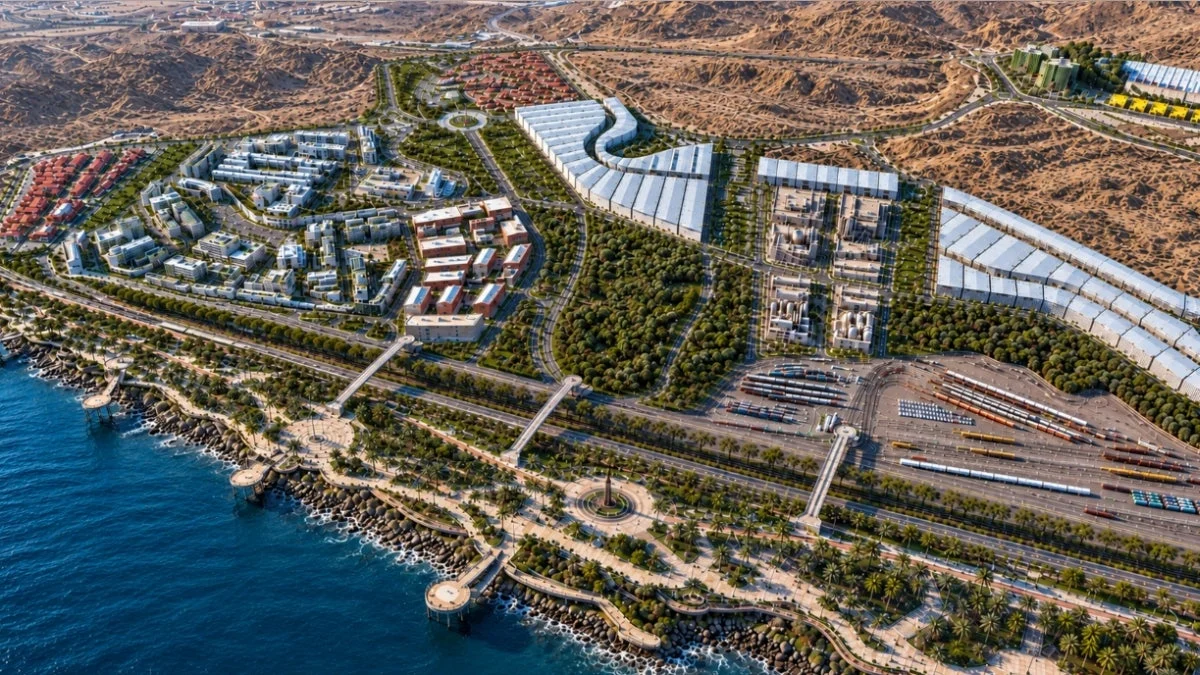
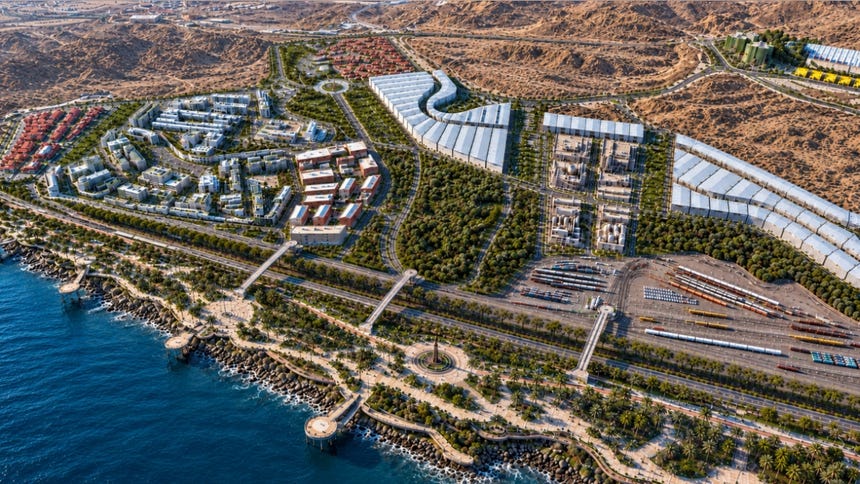
The Corío project is far more than a simple maritime terminal. It is a territorial planning initiative designed to create a comprehensive logistics and industrial platform. The vision encompasses:
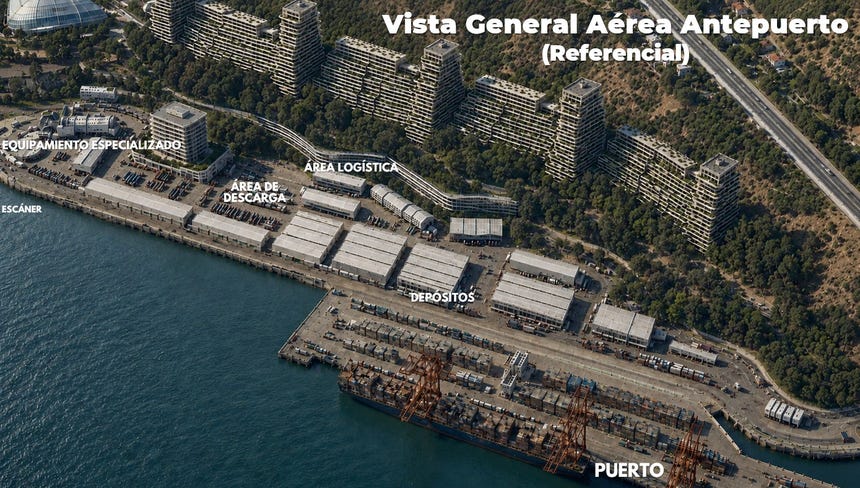
- A Deep-Water Port: A multipurposed terminal capable of handling bulk cargo, general goods, and container traffic.
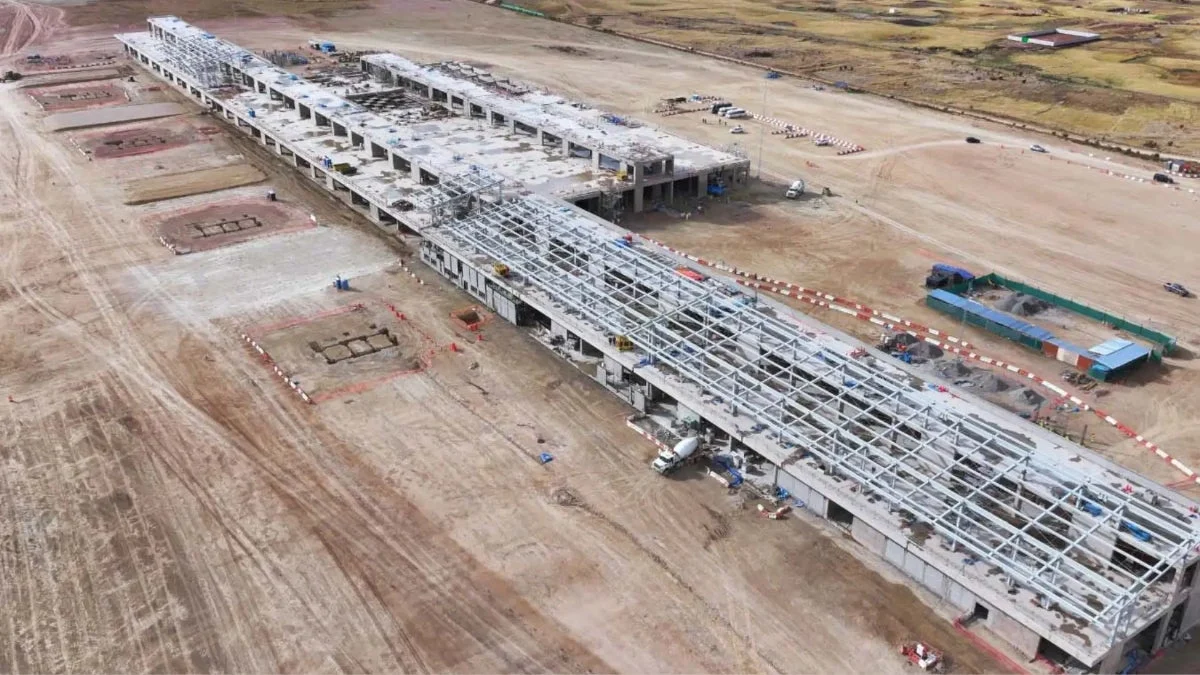
- Aero-Logistics Hub: An international airport integrated into the regional infrastructure to facilitate rapid cargo transport.
- Industrial Clusters: Dedicated zones for high-value manufacturing, including the transformation of copper and the development of a "green hydrogen" hub.
- Urban Integration: The inclusion of residential zones, hospitality infrastructure, and commercial services to support a new, sustainable city.
The regional government envisions this space not merely as a transit point, but as a manufacturing powerhouse where raw materials—abundant in the Peruvian Andes—are processed before export. By fostering an ecosystem of technology and industrial innovation, Arequipa hopes to leapfrog traditional economic models and embrace a modern, value-added export economy.
Chronology of Progress: From Concept to Reality
The evolution of the Corío project has been characterized by steady, albeit cautious, bureaucratic milestones.
- Early Conceptualization: For years, the potential of the Corío bay was debated in academic and political circles, cited for its natural depth and strategic position along the Pacific coast.
- September 3, 2026: A major milestone was reached when the National Port Authority (APN) officially approved the "Master Plan" for the port facility. This approval provided the technical legitimacy required to begin formalizing investment structures.
- Late 2026: The signing of the agreement between the Arequipa Regional Government and ProInversión marked the transition from local planning to national-level promotion.
- 2027 – The Horizon Year: Both government officials and private stakeholders have identified 2027 as the year for "concrete announcements." The focus is shifting toward signing binding contracts and identifying the specific corporate entities that will undertake the construction of the various project components.
Financial Architecture and Investment Projections
While the broader "City" development remains an ambitious master plan with an as-yet-undisclosed total price tag, the maritime component has a clearly defined technical and financial structure. The APN-approved Master Plan estimates an investment of US$844 million for the port terminal alone.
This investment is modular, designed to be executed in three distinct stages:
- Phase I: US$651 million, focusing on the core terminal infrastructure and initial operational capacity.
- Phase II: US$109 million, aimed at expanding capacity as demand increases.
- Phase III: US$83 million, the final stage to achieve full-scale terminal optimization.
It is important to note that these figures represent infrastructure estimates and do not constitute signed contracts or secured financing. The funding model relies heavily on private capital, utilizing mechanisms such as Public-Private Partnerships (PPPs) and "Projects in Assets."
Official Perspectives and Strategic Alliances
Luis Del Carpio, President of ProInversión, has been clear about the urgency of the next phase. "What we need is to concretize investments, to reach firm agreements with investors," he stated. Del Carpio emphasized that the agency is working tirelessly to ensure that the interest expressed by international players transforms into tangible financial commitments by next year.
Governor Rohel Sánchez has been the public face of the project’s diplomatic outreach. He reported significant interest from a diverse array of global partners, including delegations from the United States, China, India, Turkey, and the Netherlands. Notably, South Korean firms have shown interest in the technological development of the site, while India has signaled potential interest in the operational management of the port facility.
Addressing concerns regarding regional competition, Del Carpio dismissed the notion that Corío is a rival to the existing Chancay or Callao ports. "The axes do not compete with each other; they complement each other strategically," he explained. The national strategy, coordinated with the Ministry of Transport and Communications, is to establish three major logistical pillars—North, Center, and South—to ensure that Peru’s maritime connectivity is balanced and geographically resilient.
Implications for the Southern Corridor
The success of Corío would have profound implications for the South American continent.
Integration with Brazil
A key objective of the Corío project is to serve as an outlet for the vast trade volume generated by the southern Peruvian regions and, crucially, landlocked or distant areas of Brazil. By providing a direct gateway to the Pacific, Corío could shorten the logistical chain for goods destined for Asian markets, making South American exports more competitive globally.
Energy Transition and Industrialization
The inclusion of a green hydrogen cluster and facilities for the transformation of copper aligns with global trends toward decarbonization and local value addition. By processing copper within the Corío cluster, Peru could move up the value chain, exporting refined products rather than raw concentrates, thereby increasing local employment and tax revenue.
Challenges and Necessary Infrastructure
Despite the optimism, the path to completion is fraught with complex challenges. For the city and port to function, several "soft" and "hard" infrastructure needs must be met:
- Connectivity: Massive improvements to the road and rail network are required to move goods from the mines and agricultural fields to the coast.
- Utilities: The industrial and residential zones require high-capacity, reliable water and electricity grids, which are currently being studied as part of the regional planning.
- Logistical Ecosystem: The port cannot succeed in a vacuum; it requires the presence of major shipping lines and a steady flow of export goods. This necessitates a proactive commercial policy to attract global players to base their operations in the Arequipa region.
Conclusion: The Road Ahead
The "Ciudad Puerto Corío" project represents a bold bet on the future of the Peruvian economy. It is a vision that seeks to leverage geography to create a competitive advantage in a global market that is increasingly pivoting toward the Asia-Pacific region.
While the project currently faces the "gap of implementation"—the space between a conceptual Master Plan and the hard reality of construction contracts—the formal partnership between the Regional Government and ProInversión signals a new level of institutional maturity. If the government can successfully secure the required private investments in 2027, the Corío project could well become the most significant infrastructure development in South America in the coming decade, serving as a beacon of growth for the southern Peruvian corridor and a bridge to the markets of the future.
As investors watch and technical teams refine the logistics, the world waits to see if Corío will fulfill its promise of becoming the new, modern gateway to the Southern Pacific.