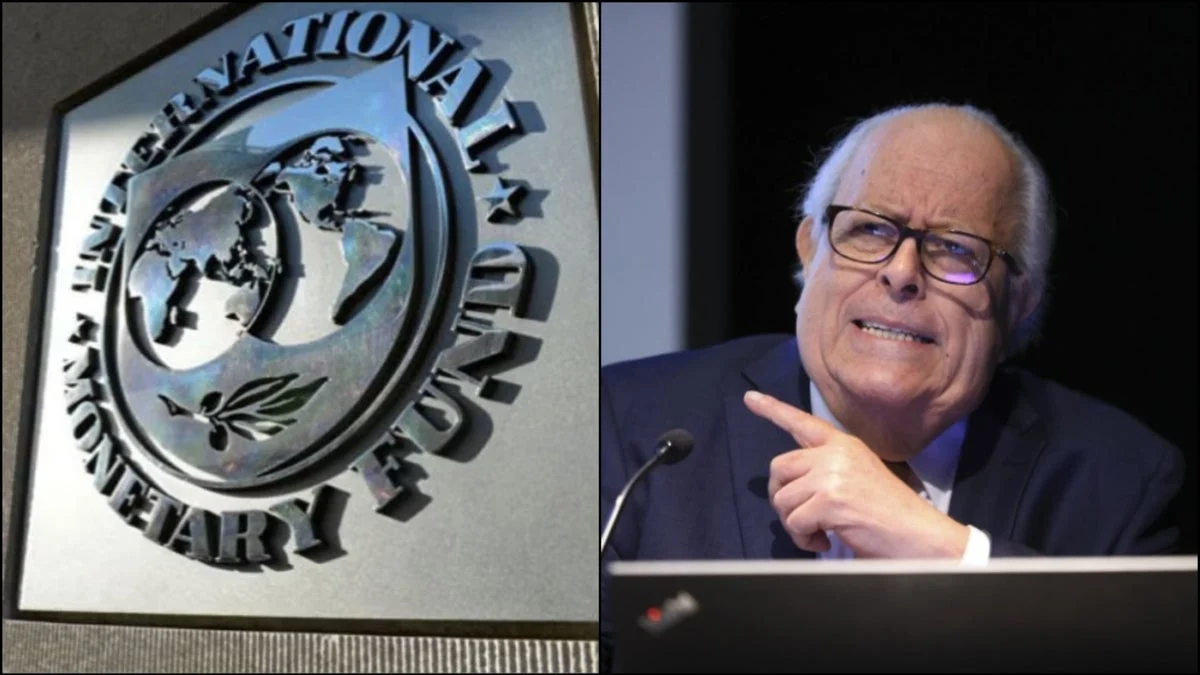
In a move designed to fortify Peru’s position within the global financial architecture, the Central Reserve Bank of Peru (BCRP), led by its long-standing president Julio Velarde, has submitted a legislative proposal to the Peruvian Congress. The initiative seeks authorization to increase the nation’s quota in the International Monetary Fund (IMF) by 50%, a decision that reflects both the country’s commitment to international financial stability and a strategic adjustment of its sovereign asset management.
The proposal, which entails an increase from 1,334.5 million to 2,001.8 million Special Drawing Rights (SDR)—roughly equivalent to an increase of US$903 million—has sparked interest among economists and policymakers. While the headline figures suggest a significant financial commitment, the BCRP has been clear: this operation will not strain the national budget, as it will be managed entirely through the bank’s own reserve assets.
Main Facts: Strengthening the Sovereign Safety Net
The core of the proposal is the formalization of Peru’s participation in the 16th General Review of Quotas, an exercise approved by the IMF’s Board of Governors in December 2023. By increasing its quota, Peru is effectively raising its subscription level, which serves as the fundamental metric for its relationship with the Fund.
The Financial Breakdown
- Current Quota: 1,334.5 million SDR.
- Proposed New Quota: 2,001.8 million SDR.
- Increase: 667.3 million SDR (approx. US$903 million, based on an exchange rate of US$1.35 per SDR).
- Funding Source: Assets of the BCRP; no reliance on the General Budget of the Republic or the National Treasury.
This increase is not merely a bureaucratic formality; it is a recalibration of Peru’s "potential access" to the IMF’s financial facilities. By raising its quota, Peru increases the ceiling of resources it could theoretically tap into during times of severe economic distress, effectively expanding its external financial safety net without incurring new debt.
Chronology: The Road to the 16th General Review
The path to this legislative proposal is rooted in a global consensus reached within the IMF over the past two years.
- December 2023: The IMF Board of Governors officially approves the 16th General Review of Quotas, calling upon member nations to consent to an equiproportional increase of 50% in their respective quotas.
- Early 2024: The BCRP conducts internal technical assessments to evaluate the impact of this increase on the nation’s international reserves and balance of payments.
- April 29, 2026: Data from the IMF reveals that 149 member countries, representing 76.66% of total quota shares, have already communicated their consent. The threshold for the increase to take effect is 85% of total quotas.
- Late 2026: The BCRP submits the legislative project to the Peruvian Congress, emphasizing the urgency of the November 15, 2026, deadline for communicating consent to the Fund.
This timeline underscores the global momentum behind the initiative. As the world economy navigates post-pandemic volatility and shifting geopolitical alliances, member states are prioritizing the replenishment of the IMF’s permanent resources.
Supporting Data: Understanding the Mechanics of the Quota
To understand why this is not a "cost" to the taxpayer, one must look at how the IMF functions. Quotas are not traditional loans; they are a subscription-based system.
Asset Recomposition, Not Expenditure
The BCRP’s technical justification highlights that the payment for the increased quota is a shift in the composition of the bank’s assets rather than an expenditure.
- The 25% Reserve Tranche: 166.8 million SDR will be paid in SDRs or liquid foreign currencies as specified by the IMF. This essentially moves liquid assets from the BCRP’s balance sheet to the IMF’s account, where they remain part of Peru’s reserve assets.
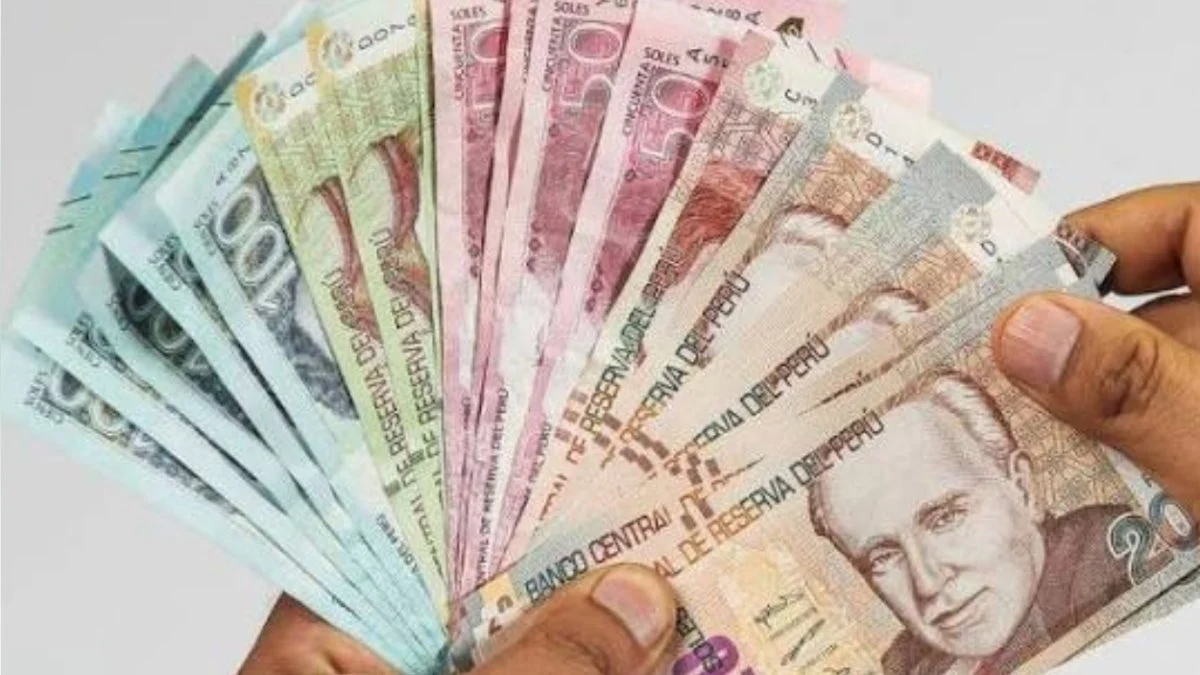
- The 75% Local Currency Tranche: 500.5 million SDR will be settled in Peruvian Soles (PEN). This is held by the IMF in a custodial account at the BCRP.
Because these funds remain within the broader umbrella of Peru’s international reserves, there is no direct impact on the fiscal deficit. The government is not transferring cash to the IMF from the Treasury; rather, the BCRP is adjusting its portfolio to meet international obligations.
Official Responses and Rationale
The BCRP’s stance is one of pragmatic international cooperation. By participating in the 16th General Review, Peru reaffirms its status as a reliable and stable member of the global financial community.
The BCRP’s Position
In the exposure of motives accompanying the bill, the BCRP emphasizes that the move is "neutral" regarding fiscal policy. "The operation does not constitute a budgetary transfer to the IMF nor an expenditure charged to the Public Treasury," the document notes. It argues that the increase serves as an insurance policy. By increasing the quota, the nation elevates its standing and, consequently, its potential to negotiate favorable terms should a future balance-of-payments crisis arise.
Legislative Hurdles
The requirement for Congressional approval is rooted in the IMF’s Articles of Agreement, which mandate that no change in a member’s quota can be made without the express consent of the national legislature. While some lawmakers may express concern over the use of reserves, the BCRP’s argument—that this is a reclassification of assets rather than a depletion—is expected to carry weight with the economic committees in Congress.
Implications: What Does This Mean for Peru?
The implications of this increase are multifaceted, impacting both the symbolic standing of Peru and its practical economic security.
1. Enhanced Financial "Credibility"
Participation in the quota increase serves as a signal of institutional strength. It shows that Peru has the financial capacity and the political will to support the global financial system. This strengthens Peru’s "credit rating" optics, reinforcing its reputation for orthodox and stable macroeconomic management.
2. The "Safety Net" Argument
Critics might ask: Why tie up US$903 million in the IMF if we don’t need it? The answer lies in the nature of global economic shocks. If a global liquidity crisis were to emerge, having a higher quota ensures that Peru can access a larger pool of funds at lower costs compared to commercial international capital markets. It is, in effect, a "low-cost liquidity line."
3. No Immediate Fiscal Stimulus
It is vital for the public and policymakers to understand that this is not an injection of capital into the national economy. It will not fund infrastructure projects, social programs, or salary increases. The money is essentially "locked" in the vault of the IMF, available only under strict conditions defined by the Fund’s lending policies.
4. Opportunity Cost
While the BCRP maintains that the change in composition is manageable, there is a technical "cost of opportunity." By converting US$903 million of liquid, interest-bearing reserves into an IMF quota position, the BCRP may see a slight change in the yield of its reserves. However, the BCRP’s mandate prioritizes stability and liquidity over maximum profitability, making this trade-off consistent with their primary mission.
Conclusion
The decision to increase Peru’s quota in the IMF is a calculated move that balances international responsibilities with domestic financial safety. Under the stewardship of Julio Velarde, the BCRP has consistently championed the importance of robust international reserves. By moving to align Peru with the latest IMF standards, the Central Bank is ensuring that the country remains well-positioned to navigate the uncertainties of the global market.
As the bill moves through the Chamber of Deputies, the debate will likely focus on the technical details of the asset shift. However, the prevailing view among economists is that this is a prudent, necessary, and ultimately fiscally neutral measure that secures Peru’s seat at the table of global finance. For a nation that has worked hard to build a reputation for macroeconomic stability, this increase in quota is not just a financial transaction; it is an investment in the country’s continued standing in the international community.