In a landmark move for regional development, the Regional Government of Cusco has successfully secured the formal prioritization of critical infrastructure projects from the Ministry of Transport and Communications (MTC). This strategic alignment between regional and national authorities paves the way for the transformation of key arterial routes into modern four-lane highways, while simultaneously advancing the high-stakes Choquequirao cable car project.
These developments represent a paradigm shift in how the Cusco region intends to manage its logistical challenges and tourism growth, aiming to bridge the gap between historic potential and modern connectivity requirements.
Main Facts: Enhancing Connectivity Through Modern Arteries
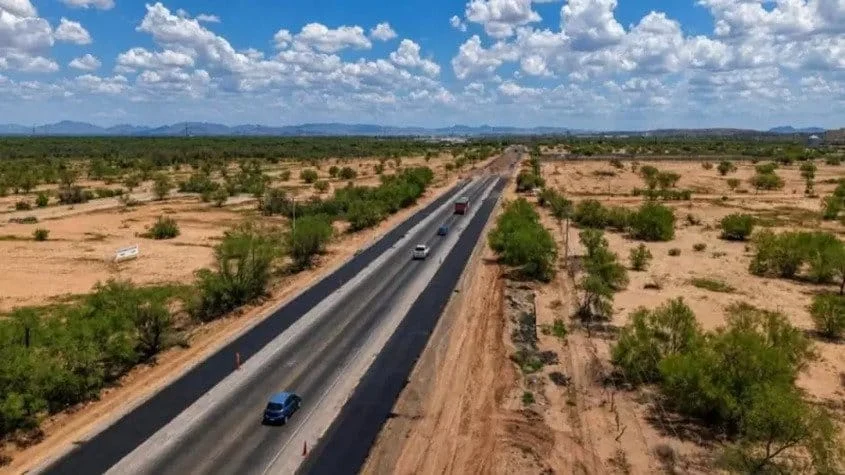
The core of the recent agreement focuses on the expansion and modernization of two pivotal segments of the road network that feed into the Interoceanic Highway. The objective is to elevate the existing infrastructure to a standard of four lanes, thereby drastically reducing transit times and improving the flow of both commercial and passenger traffic.
The San Jerónimo–Urcos Corridor
Spanning approximately 35 kilometers, the San Jerónimo–Urcos highway project is set to become a vital artery for the region. By adding an entirely new calzada—comprising two lanes in each direction—the government aims to decongest the high-traffic route that connects the southern part of the Cusco region with the provincial capital. Preliminary pre-investment studies have allocated a budget of nearly US$ 600,000 for the planning phase, acknowledging the technical complexity of upgrading a road that serves as a lifeline for local agriculture and inter-regional commerce.
The Izcuchaca–Cusco Link
The second critical project, the Izcuchaca–Cusco highway, covers a shorter but strategically vital 12.4-kilometer stretch. This route serves as the primary gateway to the western side of the "Imperial City." By expanding this corridor to four lanes, the regional government intends to integrate it seamlessly with the existing Via de Evitamiento (the city’s bypass). With pre-investment studies exceeding US$ 430,000, this project is designed to eliminate the notorious bottlenecks that currently plague commuters entering Cusco from the western highlands.

Chronology: The Path Toward Execution
The advancement of these projects is the result of persistent inter-institutional lobbying. The following timeline outlines the progression and the expected future milestones:
- Early 2026: Initial diagnostic studies identify the urgent need for highway expansion in both the northern and southern corridors of Cusco.
- Mid-2026: Technical teams from the Regional Government of Cusco and the Ministry of Transport and Communications (MTC) align their agendas to integrate these routes into the national priority list.
- September 2026: Formal announcement of the prioritization of both the San Jerónimo–Urcos and Izcuchaca–Cusco highways.
- October–November 2026 (Projected): Official adjudication of the Choquequirao cable car project.
- 2027 (Projected): Commencement of physical construction works for the tourism infrastructure projects and continued rollout of highway expansion phases.
Supporting Data: Infrastructure and Investment
The scale of these investments reflects a concerted effort to modernize the Cusco region. The following data points highlight the financial and logistical magnitude of the initiatives:
| Project | Length | Est. Investment (Studies) | Strategic Goal |
|---|---|---|---|
| San Jerónimo–Urcos | 35 km | ~US$ 600,000 | Regional connectivity/Interoceanic link |
| Izcuchaca–Cusco | 12.4 km | ~US$ 430,000 | Western gateway/Bypass integration |
| Choquequirao Cable Car | 10.6 km | US$ 261 Million | Tourism development/Economic boost |
The Choquequirao cable car is perhaps the most ambitious component of this plan. With a projected investment of US$ 261 million, this system will span 10.6 kilometers, connecting the Cusco and Apurímac regions in just 20 minutes. It is expected to revolutionize access to the archaeological complex of Choquequirao, often cited as a hidden alternative to Machu Picchu.
Official Responses and Strategic Vision
The governor of Cusco, Werner Salcedo Álvarez, has been a vocal advocate for these projects, emphasizing that long-term regional development must transcend individual political terms.
"The development of our region cannot be limited by the constraints of a single administration," stated Governor Salcedo. "Cusco requires foundational infrastructure that unifies its towns, strengthens our local economy, and fundamentally improves the daily quality of life for all our citizens. By working hand-in-hand with the MTC and ProInversión, we are building a legacy that will last for generations."

From the perspective of the central government, the prioritization of these routes serves as a commitment to the "Southern Corridor" of Peru. Ministry officials have noted that the expansion of the Interoceanic-connected highways is not merely a regional convenience but a national necessity to facilitate the movement of goods from the Andes to the coast and neighboring countries.
Implications: A New Era for Cusco
Economic Impact
The implications for the regional economy are profound. Improved highways reduce the "logistics tax" paid by farmers and small business owners who currently face high costs due to vehicle wear and fuel consumption in heavy traffic. By increasing the efficiency of transit, the government anticipates a surge in commercial activity and a lowering of costs for basic goods in the regional capital.
Tourism and Social Development
The Choquequirao cable car is expected to serve as a catalyst for tourism, spreading the benefits of the industry beyond the traditional Cusco-Machu Picchu axis. By making the remote archaeological site accessible in minutes rather than days of trekking, the region hopes to attract a wider demographic of international and domestic tourists. This is predicted to create thousands of jobs, from hospitality to service-based enterprises in the neighboring Apurímac region.
Road Safety and Connectivity
Beyond the economic figures, the human element remains paramount. The current state of these highways, characterized by high volume and outdated infrastructure, has led to significant safety concerns. The expansion to four lanes is expected to significantly reduce accident rates, providing a safer, more predictable, and more reliable transportation network for residents and visitors alike.
Environmental and Engineering Challenges
While the plans are ambitious, they face the standard challenges of high-altitude construction. Engineers involved in the preliminary stages have noted that the rugged terrain of the Andes requires advanced slope stabilization and high-quality asphalt specifications to withstand the extreme weather variations common in the Cusco region. The integration of these projects with the environment is a primary focus for the planning committees, ensuring that the infrastructure serves as a bridge for development rather than a barrier to the region’s natural beauty.

Conclusion
The collaboration between the Regional Government of Cusco and the national MTC marks a significant turning point in the region’s development trajectory. With the prioritization of the San Jerónimo–Urcos and Izcuchaca–Cusco highways, alongside the massive undertaking of the Choquequirao cable car, Cusco is positioning itself as a modern hub of commerce and tourism. As the calendar approaches the 2027 start date for these major works, the focus now shifts toward transparent execution and ensuring that the promised economic benefits are felt by the families and communities who have long awaited these improvements.
This comprehensive infrastructure plan confirms that the Cusco region is not merely resting on its historic laurels, but is actively engineering a future that is as robust and interconnected as the ancient stone foundations for which it is world-renowned.