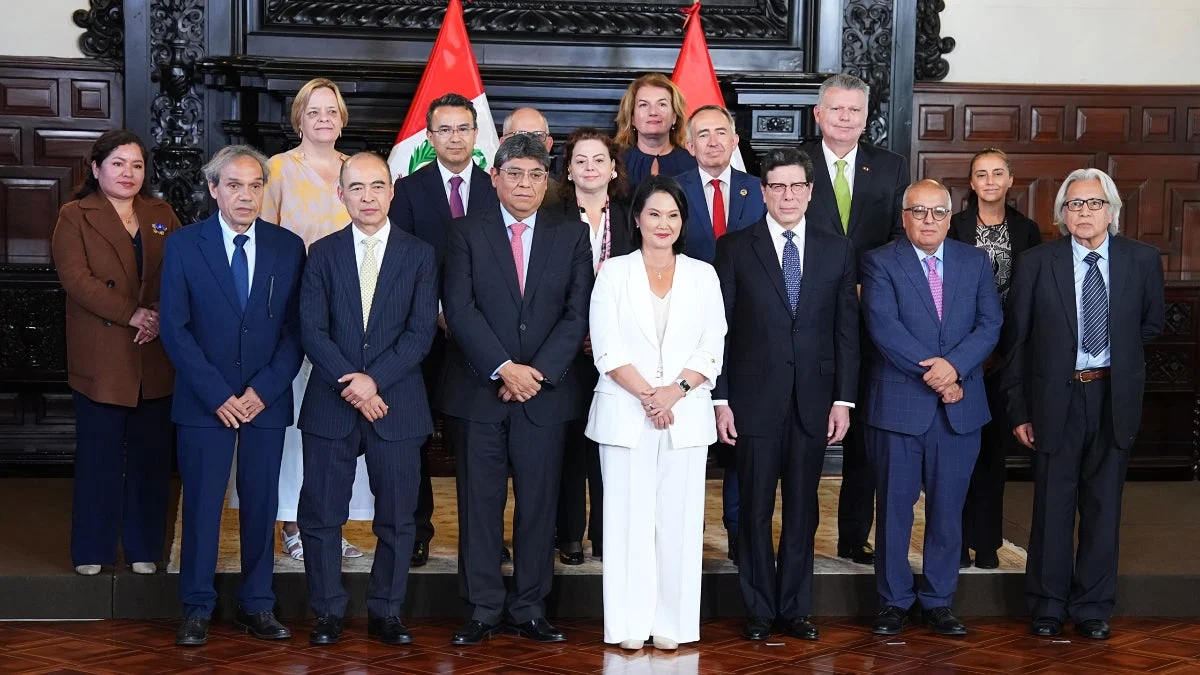
In a decisive move to revitalize the Peruvian economy and address deep-seated structural inefficiencies, the administration—led by President Keiko Fujimori—has officially inaugurated a team of expert advisors tasked with designing a comprehensive roadmap for "second-generation" economic reforms. The initiative, unveiled at the Government Palace this Wednesday, marks a strategic pivot toward addressing the systemic bottlenecks that have long constrained the country’s growth potential.
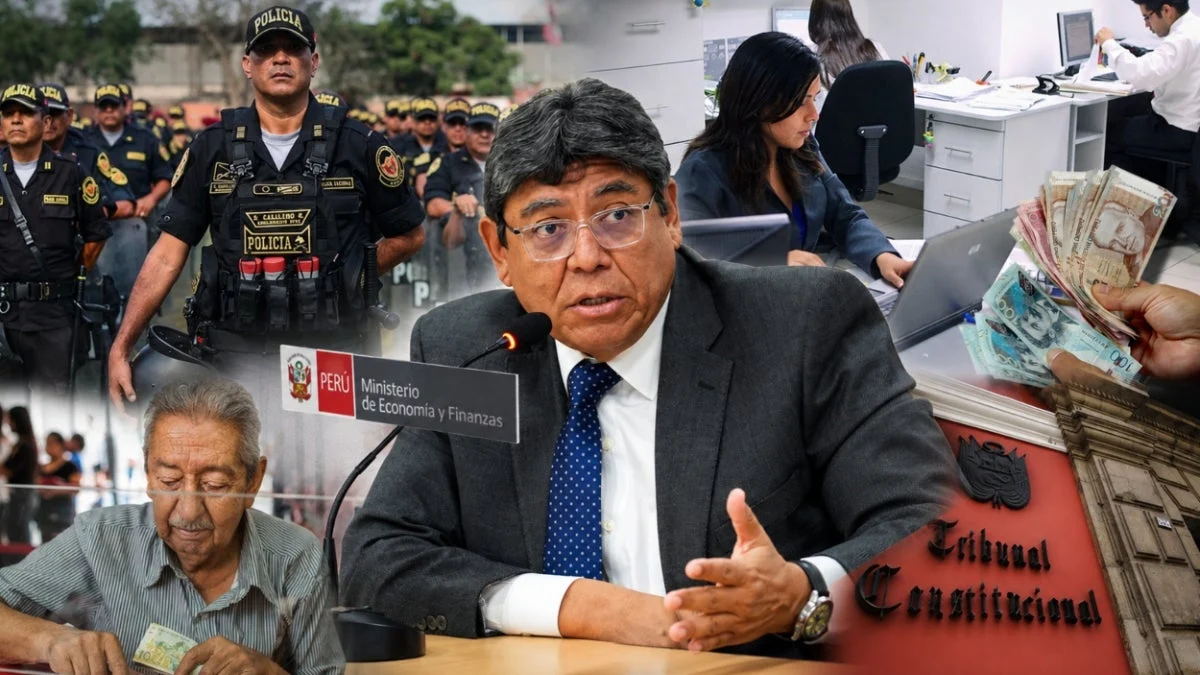
Minister of Economy and Finance, Elmer Cuba, presided over the announcement, emphasizing that the work of these seven distinguished professionals will serve as the foundational blueprint for Peru’s economic policy over the coming years. By tackling core issues such as labor informality, financial exclusion, and inefficiencies in public investment, the government aims to transition the economy toward a more competitive and inclusive model.
The Core Mandate: Defining the Economic Roadmap
Minister Cuba articulated that the primary objective of this High-Level Commission is not merely to offer theoretical guidance, but to provide actionable, technical solutions to chronic obstacles. "The proposals formulated by these independent experts will form the backbone of the structural reforms necessary to transition Peru into a more productive and formal economy," Cuba stated.
The commission has been granted a nine-month window to finalize their recommendations. However, to ensure momentum and oversight, the government has mandated a structured reporting schedule, requiring the experts to submit formal progress reports on a quarterly basis. This iterative approach allows the cabinet to integrate findings into current policy frameworks without waiting for the final report’s completion.
Key Focus Areas
The Commission’s work is partitioned into four critical pillars identified by the Ministry of Economy and Finance (MEF) as the most urgent:
- Labor Formalization and Productivity: Reducing the barriers that keep a majority of the workforce in the informal sector.
- Financial Inclusion: Democratizing access to credit and banking services for SMEs and underserved populations.
- Public Investment Management: Streamlining the bureaucracy and regulatory hurdles that impede infrastructure project execution.
- Tax Compliance: Enhancing fiscal sustainability through the modernization of collection systems and the reduction of tax evasion.
The Architects of Reform: Meet the Commission
The success of this initiative rests on the reputation of the seven professionals selected. The government has prioritized technical expertise and long-standing experience in both the public and private sectors.
Pillar 1: Labor Formalization and Productivity
- Gustavo Yamada: A veteran economist renowned for his research on labor markets and social protection. His work is expected to focus on the mismatch between current labor laws and the realities of the modern Peruvian workforce.
- Miguel Jaramillo: An expert in the dynamics of employment and productivity. Jaramillo has spent years analyzing how informality acts as a "productivity trap" for the Peruvian economy.
Pillar 2: Financial Inclusion and Access
- Miguel Palomino: A seasoned financial strategist with a deep understanding of the capital markets and the banking sector’s role in economic development.
- Martin Naranjo: Known for his work in navigating the intersections between economic policy and the banking sector, Naranjo will lead efforts to integrate more Peruvians into the formal financial system.
Pillar 3: Public Investment Efficiency
- Milton von Hesse: A former minister with an extensive background in government management. His focus will be on the "bottleneck" theory of public spending, aiming to accelerate project delivery.
- Miguel Prialé Ugás: A specialist in decentralization and public investment, tasked with ensuring that regional and local governments have the capacity to execute their budgets effectively.
Pillar 4: Tax Compliance
- Manuel Estela: With over five decades of experience in the public sector and academia, Estela represents the institutional memory required to overhaul the tax code. His mandate is to foster a culture of compliance while broadening the tax base.
Chronology of Economic Challenges
The launch of this commission comes at a critical juncture. Peru, once the "star performer" of Latin American economies, has seen its growth momentum stalled by a combination of external shocks and internal structural fatigue.
- 2023-2024 Context: The impact of phenomena like "El Niño" exposed the fragility of key sectors such as fishing, agriculture, and textiles. Minister Cuba previously warned that these sectors entered recessionary phases, highlighting the need for structural agility.
- Early 2024: President Fujimori’s administration prioritized the establishment of this commission as a key campaign promise to move beyond "emergency measures" and toward long-term institutional change.
- September 2024: The formal presentation of the commission at the Government Palace serves as the official starting point for the nine-month timeline.
Supporting Data: The Case for Reform
The economic data backing this initiative is stark. Peru’s informality rate consistently hovers around 70-75%, meaning the majority of the workforce lacks access to social security, health insurance, and pension contributions.
Furthermore, the "productivity gap" remains one of the largest in the region. While commodity exports have historically buoyed the economy, the internal service and retail sectors suffer from low capital intensity and limited access to credit. According to the MEF, the inefficiency in public investment is a leading cause of the infrastructure deficit, with billions of soles earmarked for regional projects remaining unspent or paralyzed due to administrative red tape.
By inviting these experts to re-examine the legal frameworks governing these sectors, the administration hopes to reverse these trends and boost the country’s potential GDP growth rate.
Official Responses and Political Implications
The announcement has garnered mixed reactions from the political spectrum. While business associations like CONFIEP have praised the selection of the seven experts as a "step toward fiscal sanity and institutional stability," opposition figures have questioned the timeline, suggesting that nine months is too long to wait for reforms when the economy is currently experiencing a slowdown.
President Keiko Fujimori, in her address, defended the methodology: "We are not looking for quick fixes or populist measures that vanish with the next electoral cycle. We are looking for technical, sustainable, and deep-rooted reforms that will outlast this government."
Minister Cuba added that the commission would function independently, ensuring that their recommendations remain untainted by short-term political pressure. "These are professionals who have spent their lives analyzing the mechanics of the Peruvian economy. Their recommendations will be objective and evidence-based," he noted.
Implications for the Future of Peru
The success of this High-Level Commission will hinge on the government’s willingness to adopt the experts’ recommendations once the nine-month period concludes. In previous decades, similar commissions have often seen their reports relegated to dusty shelves.
However, the administration is framing this initiative as a "make-or-break" moment for the country’s economic model. If the commission can successfully propose a viable pathway to reducing labor informality and improving tax compliance, it could lead to a significant increase in the formal tax base, allowing for higher social spending without jeopardizing fiscal discipline.
Economic Outlook
If the reforms are implemented successfully, the medium-term implications include:
- Increased Competitiveness: By lowering the cost of doing business, the government hopes to attract higher levels of foreign direct investment.
- Enhanced Social Stability: A larger formal workforce leads to better social protection coverage, reducing the long-term burden on the state.
- Fiscal Resilience: By improving tax collection efficiency, the government will be better positioned to handle future external shocks, such as climate-related disasters or commodity price fluctuations.
As the commission begins its work, all eyes will be on the first quarterly report. For a country that has navigated decades of political volatility, this initiative represents a rare, concentrated effort to align economic policy with the realities of the 21st century. Whether it results in a "Peruvian Miracle 2.0" or remains a bureaucratic exercise depends on the political courage to enact the difficult changes that these seven experts are about to propose.