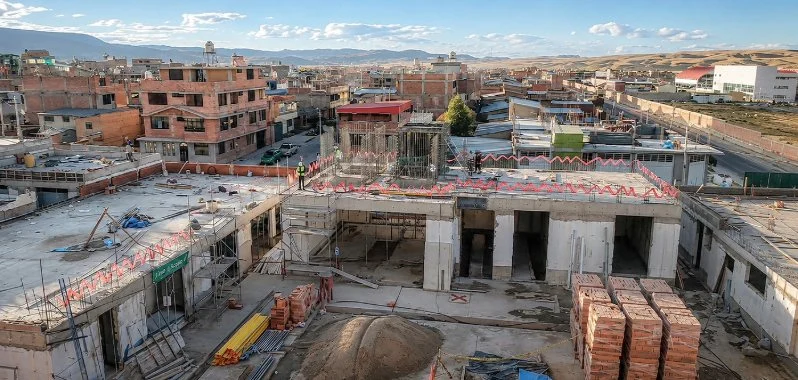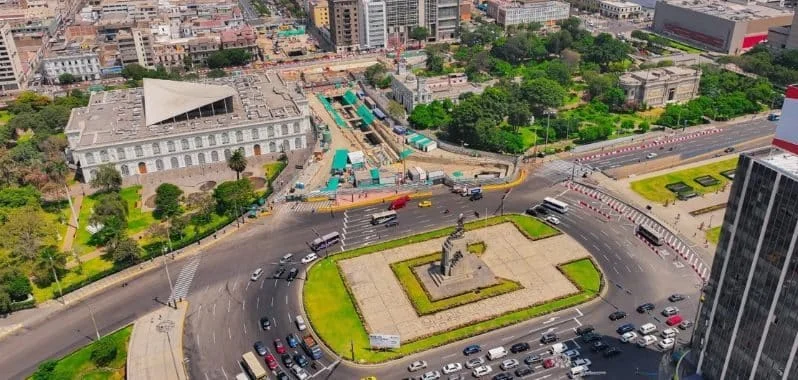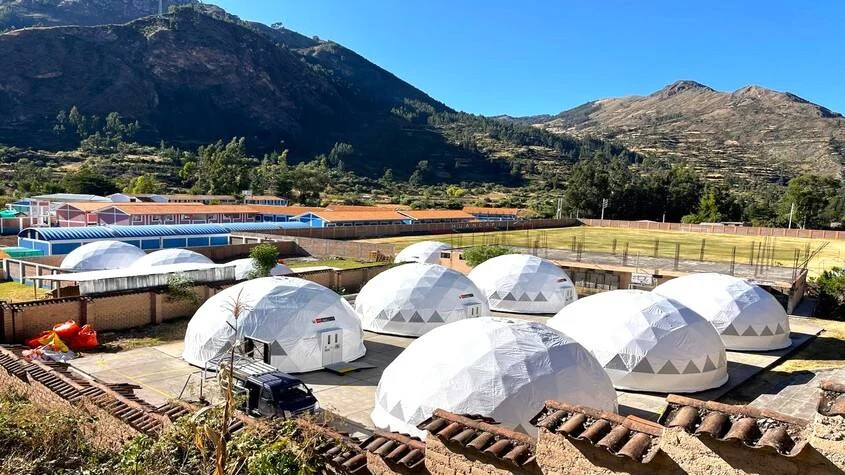
In a significant stride toward bridging the infrastructure gap in Peru’s public education system, the National Program for Educational Infrastructure (Pronied) has officially inaugurated a state-of-the-art modular school facility at the Pedro Abraham Valdelomar Pinto Educational Institution. Located in the district of San Martín de Porres, Lima, this project represents a strategic shift in how the government approaches the rapid deployment of functional, safe, and modern learning environments for students in high-density urban areas.
With an investment exceeding S/ 900,000, the project serves as a model for "reasignment infrastructure," a methodology that prioritizes the efficient relocation and adaptation of modular units to meet the urgent needs of growing student populations.
Main Facts: A Commitment to Educational Excellence
The inauguration ceremony was led by Architect Pedro Morales Gonzales, the Executive Director of Pronied. The primary objective of the initiative is to provide immediate relief to the educational deficit within the district. By deploying modular classrooms, Pronied has ensured that over 180 students now have access to high-quality learning spaces that comply with national safety and functionality standards.
Key highlights of the project include:
- Target Beneficiaries: Over 180 students currently enrolled at the IE Pedro Abraham Valdelomar Pinto.
- Total Investment: More than S/ 900,000, covering the design, transport, assembly, and outfitting of the modular units.
- Strategic Oversight: The project was managed and executed by the Unit of Maintenance Management (UGM) of Pronied.
- Infrastructure Quality: The facilities are designed to be earthquake-resistant, thermally comfortable, and conducive to modern pedagogical practices.
Chronology: From Planning to Inauguration
The journey toward this new facility began with a rigorous diagnostic assessment conducted by Pronied’s technical team. Recognizing that the original infrastructure at the Pedro Abraham Valdelomar Pinto school was insufficient to accommodate the increasing demand, the Ministry of Education prioritized the institution for the modular reassignment program.

- Phase I: Needs Assessment: Early in the year, engineers evaluated the existing physical state of the school, identifying overcrowding as a critical bottleneck for academic progress.
- Phase II: Logistics and Procurement: The UGM coordinated the manufacturing and site preparation phases, ensuring that the ground was properly leveled and utility connections—including electricity and sanitation—were prepared for the modular units.
- Phase III: Assembly: In recent months, the assembly phase was fast-tracked. Unlike traditional construction, which can take years, the modular approach allows for rapid deployment, minimizing the disruption to the ongoing school year.
- Phase IV: Final Inspection and Handover: Following a comprehensive safety review, the project was certified for student occupancy, leading to the official ribbon-cutting ceremony headed by Arq. Pedro Morales Gonzales.
Supporting Data: The Strategic Importance of Modular Schools
The use of modular infrastructure is a cornerstone of Peru’s contemporary strategy to tackle the massive infrastructure deficit across its thousands of public schools. Data from Pronied indicates that modular units offer a flexible, cost-effective, and highly scalable solution for regions where traditional masonry construction is either too slow or logistically unfeasible.
By investing over S/ 900,000 into this specific site, the government is not merely purchasing "containers"; it is investing in a holistic learning environment. These modular units are designed with high-quality insulation, ventilation systems, and specialized lighting to ensure that the physical classroom contributes positively to student focus and health.
Furthermore, this project aligns with the national goal of reducing the "infrastructure gap," which, according to the Ministry of Education, remains a critical barrier to equity in the Peruvian education system. By prioritizing schools like the Pedro Abraham Valdelomar Pinto, the state ensures that children in urban periphery districts receive the same quality of physical environment as those in more central, affluent zones.
Official Responses and Vision
During the inauguration event, Arq. Pedro Morales Gonzales addressed the school community, parents, and teachers, emphasizing that the physical building is only the starting point for educational transformation.
"The most important thing we must do for our children and adolescents is to provide a strengthened education," stated Morales Gonzales. "We have reassigned this modular school with the hope that the community will take ownership of these spaces. It is a shared responsibility to maintain and care for these facilities. Our goal is to stimulate students, foster their curiosity, and develop their vocational skills so they may become citizens who contribute significantly to the progress of our country."

The director further underscored that Pronied’s mandate is not limited to the construction of walls, but to the creation of environments that protect the physical and emotional well-being of the student body. He highlighted that this specific intervention is part of a broader, nationwide effort to ensure that no public school is left behind due to lack of adequate physical space.
Implications for the Future of Peruvian Education
The successful deployment of the modular units at San Martín de Porres sends a clear signal to the educational sector: the government is moving toward a more agile and responsive model of infrastructure delivery.
1. Scaling the Model
The modular approach is expected to be replicated in other districts facing similar population growth challenges. By standardizing the design, Pronied can reduce costs through economies of scale and significantly shorten the procurement cycle.
2. Community Engagement
A recurring theme in the discourse of the inauguration was the concept of "shared stewardship." By involving the local school community in the care of the new facilities, Pronied is attempting to instill a culture of maintenance. Historically, public infrastructure in Peru has suffered from a lack of post-construction maintenance; this new focus aims to prolong the lifespan of state investments.
3. Closing the Gap
The investment in the Pedro Abraham Valdelomar Pinto school is a tangible step toward achieving the Sustainable Development Goals (SDGs) regarding inclusive and equitable quality education. While S/ 900,000 is a significant investment for a single school, the long-term benefit is measured in the improved learning outcomes, higher attendance rates, and enhanced student safety.

4. Urban Resilience
In the context of a sprawling metropolis like Lima, modular infrastructure offers a level of resilience against urban volatility. These structures can be reconfigured or expanded if student enrollment shifts, offering a level of flexibility that traditional "brick and mortar" schools simply cannot provide.
Conclusion
The completion of the modular school project at the IE Pedro Abraham Valdelomar Pinto is a testament to the efficacy of targeted government intervention. By combining rapid deployment technology with a clear pedagogical vision, the Ministry of Education and Pronied are providing 180 students in San Martín de Porres with a foundation upon which they can build their futures. As the country continues to navigate the complexities of educational reform, the success of this project serves as a promising blueprint for the modernization of public schools across the nation.
As the school year progresses, the focus now shifts to the classroom. With a safe, modern, and stimulating environment now in place, the students of the Pedro Abraham Valdelomar Pinto school are better positioned than ever to pursue academic excellence and personal growth. The government’s commitment to this project is a reminder that when infrastructure meets opportunity, the entire nation moves forward.