Executive Summary: A Significant Legal Development
In a definitive move that marks the end of a high-profile judicial investigation, the Peruvian Judiciary has officially archived the criminal proceedings against former Minister of Health, Víctor Zamora. The case, which centered on his controversial management of the COVID-19 pandemic during the administration of former President Martín Vizcarra, has been dismissed by Supreme Provisional Judge Juan Carlos Checkley.
Judge Checkley declared the request for "sobreseimiento" (dismissal/stay of proceedings) filed by the Second Supreme Prosecutor’s Office Specialized in Crimes Committed by Public Officials to be "well-founded." This decision effectively clears Zamora of the charges of omission, refusal, and delay of functional acts, which had been leveled against him for years following intense political and public scrutiny.
Chronology: From Pandemic Management to Judicial Dismissal
The journey of this case spans several years, characterized by shifting political landscapes and rigorous legal debate.
1. The Pandemic Crisis (2020)
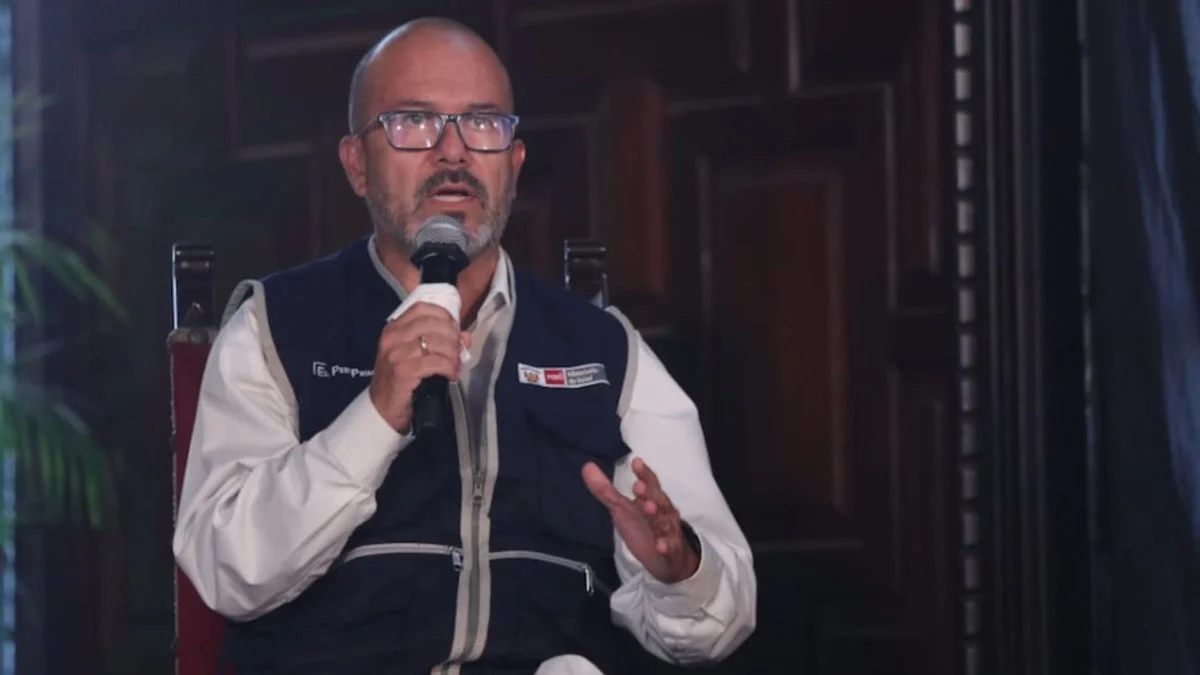
During the height of the COVID-19 pandemic, Víctor Zamora served as the Minister of Health. His tenure was defined by the massive, unprecedented challenge of managing a collapsing healthcare system. Critics at the time pointed to two primary failures: the acquisition of rapid tests instead of molecular tests, and delays in the regulatory framework for medical-grade oxygen.
2. The Legislative Scrutiny (2024)
The legal path took a definitive turn on December 13, 2024, when the Congress of the Republic approved the final report of a constitutional accusation against the former minister. This move by the Legislative branch not only opened the doors for criminal prosecution by the then-Prosecutor of the Nation, Delia Espinoza, but also resulted in a severe administrative penalty: a 10-year disqualification from holding any public office due to alleged infractions of the Political Constitution.
3. The Prosecutor’s Reversal (June 2025)
On June 11, 2025, the Second Supreme Prosecutor’s Office, having conducted a thorough review of the evidence, submitted a formal request for the dismissal of the case. The prosecution concluded that the evidence was insufficient to sustain a criminal conviction under the charges of omission and delay of functional duties.
4. The Final Judicial Ruling (October 2025)
On October 20, 2025, Judge Juan Carlos Checkley issued the final resolution. Relying on Article 344, numeral 2, literal "D" of the Code of Criminal Procedure, the judge determined that the grounds for prosecution were no longer present. The court rejected the opposition filed by the Public Prosecutor’s Office (Procuraduría), which had sought to compel the filing of an accusation.
Supporting Data and the Prosecution’s Thesis
The core of the criminal investigation rested on two specific allegations that the Prosecution had initially sought to prove:
- The Diagnostic Strategy: The prosecution argued that by prioritizing the acquisition of serological (rapid) tests over molecular tests, Zamora facilitated the breakdown of the epidemiological isolation ring. The state alleged that this decision contributed to a lack of accurate data and an uncontrolled spread of the virus.
- The Oxygen Crisis: The state claimed that Zamora failed to act with the necessary urgency to issue a Supreme Decree regulating the concentration of medical oxygen (specifically, establishing a threshold of at least 93% purity). The prosecution argued that this delay deprived critical patients of essential medical support at a time when hospitals were overwhelmed.
However, the judicial review found that these actions, while highly debated in the public and political spheres, did not meet the rigorous threshold required for criminal liability under the charge of "omission, refusal, or delay of functional acts."
Official Responses and Legal Implications
The Procuraduría’s Position
The Procuraduría Pública, representing the interests of the Peruvian State, had actively opposed the dismissal. Their legal team argued that the case warranted a full trial to determine the extent of the damage caused to the nation. However, Judge Checkley’s ruling was firm in rejecting this opposition, emphasizing that the legal requirements for a trial were not satisfied.
Importantly, while the criminal case is closed, the court explicitly protected the right of the State to pursue civil remedies. The judge noted that the Procuraduría retains the right to seek reparations—a sum previously estimated at 200,000 soles—through the appropriate civil channels, provided they adhere to current procedural rules and relevant jurisprudence.
The Impact of the Ruling
The decision to archive the case serves as a major turning point for the administrative legacy of the Vizcarra-era cabinet. It highlights the tension between political accountability—manifested through the 10-year disqualification imposed by Congress—and the requirements of the criminal justice system.
For legal analysts, this outcome demonstrates the high evidentiary bar required to criminalize political decision-making during a state of emergency. While Zamora remains barred from public office due to the constitutional infraction, he is now legally absolved of the criminal charges that threatened to lead to a prison sentence.
Understanding the Legal Standard: Why "Sobreseimiento"?
The term "sobreseimiento" in Peruvian law is not an acquittal based on a trial verdict, but a judicial recognition that a criminal proceeding should not continue. According to the resolution, the court found that:
- Lack of Evidence: The facts investigated do not constitute a criminal offense, or at the very least, there is no reasonable possibility of incorporating new evidence to change this assessment.
- Procedural Integrity: The decision reflects a strict interpretation of the Penal Code. Judge Checkley emphasized that for a public official to be prosecuted for "omission of functional duties," there must be clear, malicious intent or an inexcusable refusal to perform a mandatory duty. The court concluded that the complexity of the pandemic, and the technical nature of the decisions made, did not constitute a crime of this nature.
Future Outlook: Civil Liability and Public Memory
While the criminal files are now closed and sent to the archives, the "Zamora Case" remains a sensitive topic in Peruvian society. The distinction between a political error and a criminal act is a boundary that often shifts in the public consciousness.
The State now faces a strategic decision: whether to pursue the 200,000-sol civil reparation. This process would shift the battlefield from the criminal courts to the civil jurisdiction, where the focus will be strictly on quantifying the alleged damages caused by the administrative decisions of 2020.
As Peru moves further away from the pandemic years, this ruling provides a definitive judicial bookmark on one of the most contentious chapters of the nation’s health management history. It reinforces the principle that, within the Peruvian legal system, the criminal law is a last resort—one that cannot be used to penalize the discretionary choices of government officials unless those choices cross a clear, statutory line into criminal behavior.
The case of Víctor Zamora will likely remain a textbook example in Peruvian law schools, illustrating the intersection of executive power, crisis management, and the limitations of the judiciary in reviewing high-level policy decisions.