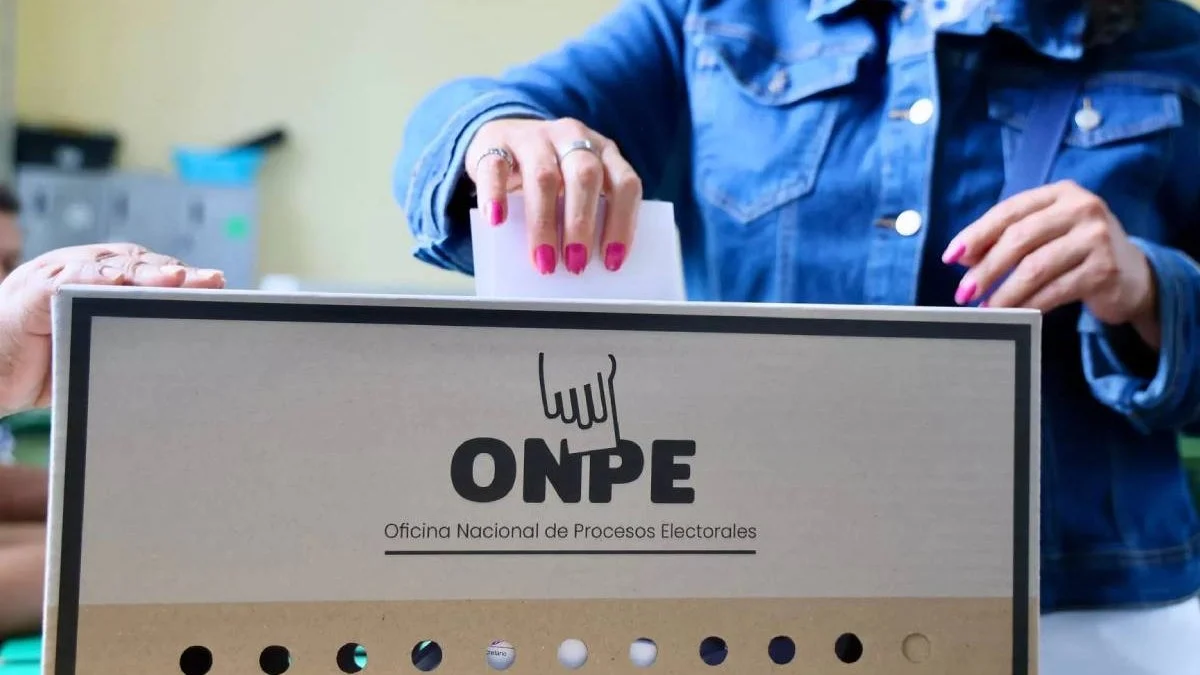
The National Office of Electoral Processes (ONPE) has officially published the designated voting centers for the upcoming Regional and Municipal Elections scheduled for October 4, 2026. With over 26 million citizens expected to head to the polls, authorities are urging the public to verify their assigned locations, as previous assignments may have changed.
Key Facts: Everything You Need to Know
The democratic machinery of the nation is in motion as the National Office of Electoral Processes (ONPE) has released the definitive list of polling stations for the October 4th elections. Citizens are being asked to take proactive steps to ensure they know exactly where they must exercise their right to vote.
How to access your voting information:
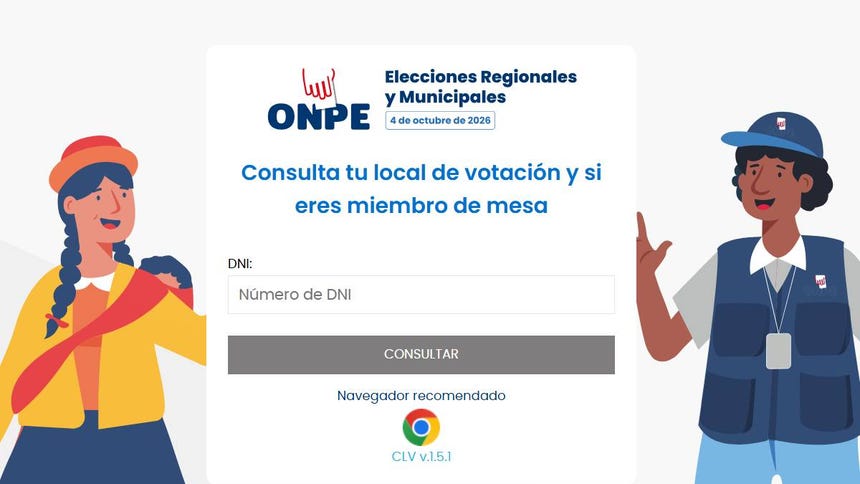
To streamline the process and avoid confusion on election day, the ONPE has launched a centralized digital portal. Citizens can access this information by visiting the official platform: https://consultaelectoral.onpe.gob.pe/inicio.
By simply entering your National Identity Document (DNI) number, you will be able to retrieve the following critical data:
- Designated Polling Station: The exact name and address of your assigned voting center.
- Table Number: Your specific voting table, which is essential for a smooth check-in process.
- Member of the Table Status: A critical notification indicating whether you have been randomly selected to serve as a member of the polling table (a mandatory civic duty).
The ONPE emphasizes that voters should not assume their polling station remains the same as it was during the General Elections earlier this year. Significant logistical adjustments have been made to optimize the flow of voters across the country.
A Chronology of the 2026 Electoral Process
The path to the October 4th elections has been a meticulously planned operation. Understanding the timeline is crucial for both voters and political observers to gauge the preparedness of the electoral body.
Phase 1: The Padrón Electoral Consolidation (Early 2026)
Following the General Elections, the National Registry of Identification and Civil Status (RENIEC) worked in coordination with the National Jury of Elections (JNE) to finalize the electoral roll. This process involved updating the records of over 26 million voters, ensuring that citizens reaching the age of majority were included and that deceased individuals were removed.
Phase 2: Logistics and Infrastructure Assessment (May – July 2026)
During these months, the ONPE conducted site inspections across all provinces and districts. The goal was to identify schools, public buildings, and community centers that could safely accommodate the expected turnout. The selection process prioritized accessibility, safety, and proximity to the residential clusters of the electorate.
Phase 3: The Official Announcement (Late August 2026)
As of late August, the ONPE concluded the mapping of the electoral geography. This phase culminated in the current public release of the voting locations, providing a buffer of approximately five weeks for citizens to familiarize themselves with their assigned stations and make necessary travel arrangements.
Supporting Data: The Scope of the Upcoming Elections
The magnitude of the October 4th election is significant, representing a massive mobilization of human and logistical resources.
Scale of Participation
According to data provided by RENIEC, the electoral roll consists of more than 26 million registered voters. This electorate is tasked with the democratic selection of over 13,000 regional and local authorities.
The positions at stake include:
- Regional Level: Governors, vice-governors, and regional councilors.
- Municipal Level: Provincial and district mayors, as well as provincial and district councilors.
This election is vital for local governance, as these officials will be the primary drivers of infrastructure, health, and education projects in their respective territories for the next four years. The sheer volume of candidates and positions requires an unprecedented level of organizational precision from the ONPE.
Official Responses and Expert Advice
In light of the logistical complexities, the ONPE has issued a series of directives to ensure the integrity of the process.
The "Dynamic Assignment" Warning
One of the most important caveats issued by the ONPE is that voting locations are subject to change, even close to the date of the election. While these shifts are rare and usually stem from unforeseen circumstances—such as damage to infrastructure or sudden environmental risks—the ONPE has urged citizens to "re-verify their location 48 hours before the election." This proactive measure is intended to minimize the number of voters arriving at the wrong facility.
The DNI Controversy: Can you vote with an expired document?
A frequent concern among the electorate is the validity of the DNI. The Reniec has clarified that, in the interest of fostering maximum democratic participation, expired DNIs will be accepted for the purpose of voting in the October 4th elections. However, the institution strongly encourages citizens to renew their documents to avoid any administrative difficulties at the polls.
Addressing the "Member of Table" Duty
The ONPE has reminded the public that being selected as a "Member of Table" (Miembro de Mesa) is a mandatory service. Those selected have a civic duty to assist in the election process. Failure to serve or to show up on time can result in significant financial fines. Citizens should check the online portal immediately to see if they have been assigned this responsibility.
Implications: Why This Election Matters
The October 4th elections are not merely a routine administrative exercise; they represent the foundation of local democracy in the country.
Impact on Decentralization
The officials elected in these polls will hold the mandate to execute regional and municipal budgets. Their ability to manage resources effectively will directly influence the quality of public services in rural and urban areas alike. For many voters, this is the most impactful election, as it deals with issues closer to their daily lives, such as road paving, public security, and waste management.
The Challenge of Voter Turnout
With the political climate remaining highly charged, the primary challenge for the ONPE is ensuring a high turnout. By digitizing the polling location search, the institution aims to reduce the "friction" associated with voting. Ease of access is a key pillar of electoral legitimacy; when citizens can easily find where to vote, they are statistically more likely to participate.
Technology as an Ally
The use of the online portal is part of a broader strategy by the ONPE to modernize electoral management. By reducing the need for paper-based notifications and physical visits to electoral offices, the agency is saving both time and taxpayer money. This digital-first approach reflects a growing trend in Latin American elections toward transparency and speed.
Final Recommendations for Election Day
As the date approaches, the ONPE advises all citizens to:
- Print or Save the Location: Do not rely on internet access on election day; save your location details on your phone or print the confirmation page.
- Know Your Table: Locate your table number within your assigned center to avoid waiting in the wrong queue.
- Plan Your Route: If you are voting in a different district than your residence, plan your transport in advance, as public transit may be altered on election day.
- Carry Your DNI: Regardless of its expiration status, your physical DNI is the only valid identification for voting.
The October 4th election is a defining moment for the country’s regional and municipal governance. By taking the time to verify your location now, you contribute to a more efficient and representative democratic process. Ensure your voice is heard—verify your polling station today.