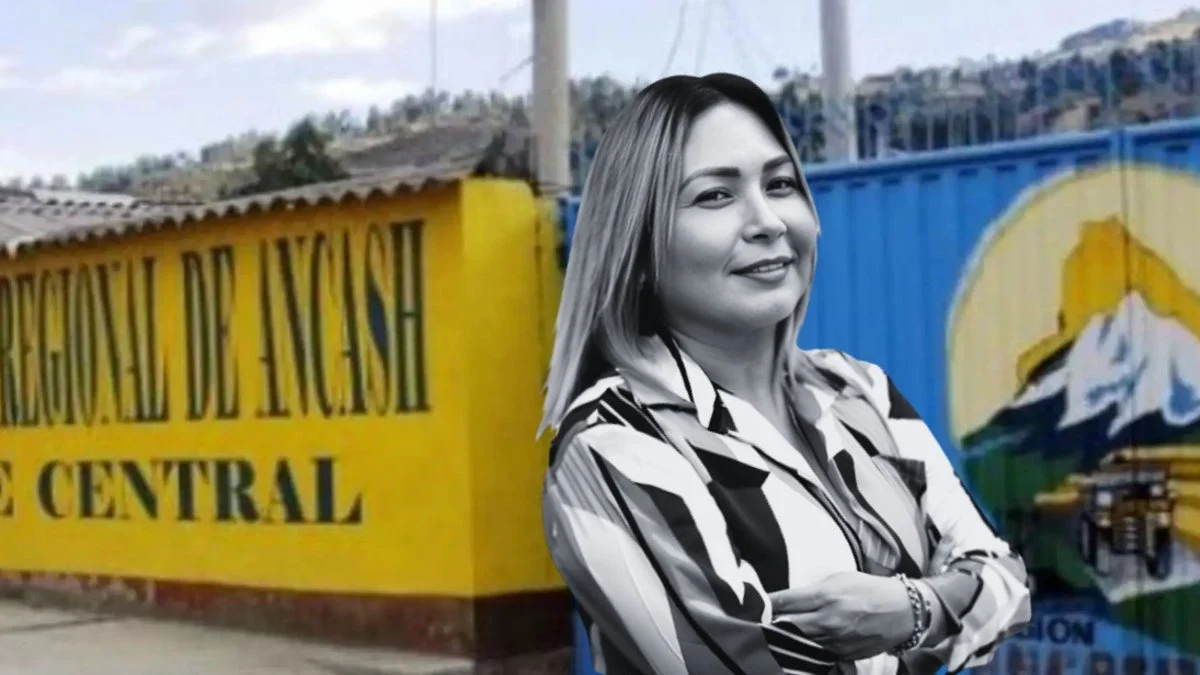
The political landscape of the Áncash region in Peru has been plunged into shock and mourning following the brutal assassination of Susy Aponte Polo de Tello, a prominent figure in local politics and the gubernatorial candidate for the political movement Socios por Áncash. Known affectionately by her constituents as the "China Polo," Aponte was gunned down this past Saturday in the province of Huaylas while actively campaigning for the upcoming regional elections.
This senseless act of violence has not only cut short a promising political career but has also triggered a complex set of electoral consequences, leaving the future of her party’s participation in the October 4th elections in a precarious position under the strict regulations of the National Jury of Elections (JNE).
The Incident: A Campaign Cut Short
On the morning of Saturday, September 19, the atmosphere in the local market of Caraz was one of routine campaign activity. Susy Aponte, a well-known contender for the Regional Government of Áncash, was engaging with voters when unidentified assailants approached and opened fire.
The attack, which occurred in a public space, has been met with widespread condemnation from civil society, political leaders, and the public. The Public Ministry (Ministerio Público) has moved quickly to open a preliminary investigation, classifying the incident as an act of femicide. As investigators comb through evidence, the tragedy serves as a harrowing reminder of the dangers often faced by those who step into the arena of public service in volatile political environments.
Electoral Regulations: The Legal "Dead End"
The primary question following the assassination has been the status of the Socios por Áncash ticket. With only two weeks remaining until the October 4th Regional and Municipal Elections (ERM 2026), the JNE’s regulations provide a definitive—albeit harsh—answer.
According to Article 42 of the Regulation for the Registration of Formulas and Lists of Candidates for Regional Elections 2026, the death of a gubernatorial candidate has severe implications for the entire ticket. While the withdrawal, resignation, or exclusion of an ordinary candidate generally does not invalidate a party’s list, the gubernatorial position is treated as an exception.
Legal expert José Tello explained to RPP that the regional election structure separates the "formula" (governor and vice-governor) from the "list" (regional councilors). "If the candidate for governor is removed from the race, for any reason—including death—the entire formula, including the vice-governor, is effectively disqualified," Tello stated.
Consequently, Ángel Durán León, the vice-gubernatorial candidate for Socios por Áncash, cannot ascend to replace Aponte. He is barred from continuing his candidacy for the regional leadership, effectively removing the party’s presence from the executive race for the Áncash regional government.
Could the Party Replace the Candidate?
In the wake of the news, supporters and party members have questioned whether Socios por Áncash could simply name a substitute to fill the vacancy. The legal framework, however, leaves no room for such an adjustment.
Article 42 is explicit: a political organization may only replace a candidate who has resigned, been excluded, or passed away up until the official deadline for the submission of registration applications. For the 2026 ERM, the JNE had established a final, non-extendable deadline of June 19, 2026, at 11:59:59 PM. Because that date has long since passed, the window for substituting a gubernatorial candidate has closed, leaving the party unable to nominate a successor for the upcoming ballot.
The Resilience of the Regional Council List
While the executive ticket has been invalidated, the news is not entirely terminal for the organization’s broader political ambitions. The regulation distinguishes clearly between the gubernatorial formula and the legislative list for the Regional Council.
Because these are considered separate candidacies within the same election, the death of the gubernatorial candidate does not affect the eligibility of the candidates running for the Regional Council. These individuals remain officially registered and will continue their campaigns for the October 4th vote.
José Tello summarized the situation: "The formula for governor and vice-governor is out of the race, but this does not affect the list of candidates for the Regional Council, which continues forward." For the supporters of Socios por Áncash, this means that while their bid for the executive branch is over, they will still see the party’s name on the ballot for legislative representation.
Implications for the Áncash Political Environment
The loss of Susy Aponte is a blow that transcends the legal technicalities of the JNE. It has sparked a broader debate about the security of candidates in regional Peru and the transparency of the electoral process.
1. Security Concerns
The assassination raises urgent questions regarding the protection of political candidates. In regions where political disputes are intense, the vulnerability of those campaigning in public spaces—such as the markets of Caraz—has become a focal point of public concern. Authorities are now under immense pressure to ensure that the remainder of the campaign period remains safe for all other participants.
2. The Impact on Voter Choice
The removal of the Socios por Áncash gubernatorial formula from the ballot significantly alters the political arithmetic for the upcoming election. Voters who intended to support the "China Polo" are now forced to either shift their support to other parties or abstain from the gubernatorial vote. This shift in voter intention is likely to benefit other major candidates, potentially changing the projected outcome of the race in the final two weeks.
3. Institutional Stability
The JNE’s rigid application of the law, while seen by some as insensitive given the tragic circumstances, is intended to maintain the integrity and consistency of the electoral calendar. By enforcing strict deadlines and clear rules regarding candidate replacement, the electoral body aims to prevent last-minute political maneuvers that could undermine the transparency of the democratic process.
A Call for Justice
As the legal and political dust settles, the prevailing sentiment in Áncash is one of grief. Public vigils have been organized in memory of Susy Aponte, with leaders from various political spectrums calling for a thorough investigation that leaves no stone unturned.
"The electoral outcome is secondary to the loss of a life," stated one local analyst. "The priority now is justice for Susy and ensuring that the democratic process in Áncash is not further tainted by violence."
The upcoming October 4th elections will proceed, but they will do so in the shadow of this tragedy. For the Socios por Áncash movement, the path forward involves focusing their remaining resources on their councilor candidates, while simultaneously seeking closure for the loss of their leader. For the people of Áncash, the event has become a somber chapter in their regional history, highlighting both the volatility of the political climate and the resilience of the institutions tasked with managing it.
As the investigation into the motives behind the murder continues, the region waits for answers. Was this a targeted political assassination intended to silence a voice, or a manifestation of the broader insecurity plaguing the region? The outcome of the investigation will be as critical to the future of Áncash as the result of the upcoming election itself.