By Editorial Staff
The impending arrival of Pope Leon XIV in Peru has sparked a complex, multi-layered debate within the corridors of the executive branch. As the nation prepares to host the Pontiff from November 11 to 16, the Ministry of Labor, led by Juan Sheput, has placed a significant proposal on the table: the potential declaration of national holidays to accommodate the massive influx of pilgrims and to streamline the logistics of the Pope’s four-city tour.
While the government emphasizes the potential for an unprecedented economic and tourism boom, the proposal also highlights the delicate balance between religious fervor, public order, and macroeconomic stability.
Main Facts: A Nationwide Mobilization
The visit of Pope Leon XIV is not merely a religious event; it is a logistical undertaking of national proportions. The itinerary, which spans from November 11 to 16, includes scheduled stops in Lima, Chiclayo, Cusco, and Pucallpa. Each of these cities is bracing for a surge in visitors that will likely strain existing infrastructure, transportation networks, and public safety resources.
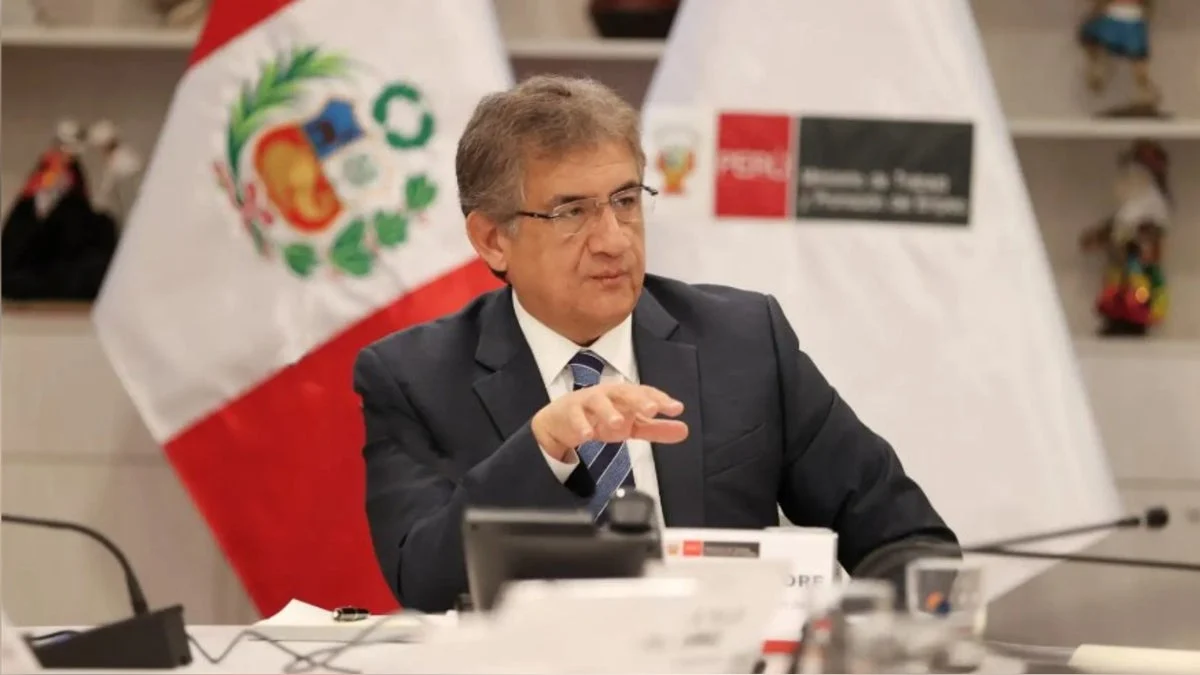
Minister of Labor Juan Sheput, speaking recently on the radio program Prueba de Fuego, reiterated that the government is actively evaluating the implementation of special labor permits and potential holidays. The goal is twofold: to allow the faithful the freedom to attend ceremonies and to manage the massive human displacement that will occur as the Pope travels across the diverse geography of Peru.
"It is not a definitive decision, but it is certainly being taken into account, especially considering the movements and what it could mean for the cities the Pope will visit," Sheput noted.
Chronology of the Papal Visit
The Pope’s journey is meticulously planned to cover the country’s varied regions, highlighting both urban centers and provincial hubs.
- November 11: Official arrival in Lima. The capital is expected to reach maximum capacity as the seat of the government and the primary point of entry for international pilgrims.
- November 12-13: Regional tours. The Pope will transition to Chiclayo in the north, followed by a visit to the Andean city of Cusco, emphasizing the cultural and historical significance of the region.
- November 14-15: Outreach in the Amazon. The visit to Pucallpa signals the Pontiff’s focus on environmental and social issues affecting the rainforest regions.
- November 16: The final day. This date has become the focal point of the government’s holiday deliberations, as it marks the official conclusion of the tour and the departure of the Pontiff.
The Economic Argument: A Tourism Bonanza
The Ministry of Labor’s push for public holidays is deeply rooted in the expectation of a significant economic injection. Minister Sheput highlighted that the presence of the Pope is expected to attract thousands of faithful from neighboring nations, particularly Colombia and Ecuador.
Beyond Religious Tourism
The "Papal Effect" on the Peruvian economy is expected to ripple across several sectors:
- Hospitality and Lodging: Hotels in all four destination cities are already reporting increased booking inquiries. The demand for accommodation is expected to reach 100% occupancy during the peak days of the visit.
- Aviation and Ground Transport: The necessity of moving both the official delegation and tens of thousands of pilgrims will likely result in record-breaking figures for domestic airlines and inter-provincial bus companies.
- Local Commerce: The influx of visitors provides a unique opportunity for small and medium-sized enterprises (SMEs) in the gastronomy and souvenir sectors, which have been looking for a catalyst to boost year-end revenue.
However, the government is aware that this economic stimulus must be balanced against the loss of productivity inherent in declaring national holidays. This is where the Ministry of Labor and the Ministry of Economy and Finance (MEF) find themselves at a crossroads.
Official Responses and Internal Deliberations
The proposal to declare the 16th of November a national holiday—or to implement a broader "bridge" holiday strategy—has met with cautious optimism from the economic wing of the government.
The Dialogue with the MEF
Minister Sheput expressed confidence in his colleague, Minister of Economy Elmer Cuba. During his interview, Sheput dispelled rumors of friction, noting that the idea of restructuring existing holidays to favor the Papal visit has been received with open-mindedness.
"I don’t think he will be shocked by the proposal," Sheput remarked. "I spoke with him a while ago and suggested that, regarding the holidays, we could consolidate the holidays currently designated for the Armed Forces into a single date—the 27th. He liked the idea."
This strategy suggests that the government is looking to "rearrange" the holiday calendar rather than simply adding new days, which would minimize the fiscal impact on the private sector while still granting the public the time necessary to participate in the historical event.
Implications: Managing the Masses
The logistical implications of the visit are the primary driver behind the push for special labor measures.
Public Safety and Infrastructure
When a city the size of Lima or a regional hub like Cusco hosts a figure of the Pope’s stature, the city effectively shuts down for standard commerce. Security perimeters, road closures, and the sheer volume of pedestrians make it nearly impossible for the average worker to reach their place of employment.
By declaring a holiday or a flexible work day, the government aims to:
- Reduce Traffic Congestion: Minimizing commuter traffic will allow security forces to manage the movement of the Papal motorcade more effectively.
- Prevent Public Order Issues: A managed, holiday-style atmosphere allows for better crowd control at massive liturgical events.
- Promote Civic Participation: The government recognizes that for many, this is a "once-in-a-lifetime" event. Providing the legal framework for workers to attend ceremonies is seen as a way to bolster national morale.
The Perspective of the Private Sector
While the government focuses on the benefits, the private sector remains vigilant. Business associations have indicated that while they support the visit, any holiday declaration must be communicated well in advance to allow for supply chain adjustments. The key challenge for the Ministry of Labor is to ensure that the "extraordinary measure" does not lead to a significant drop in industrial output or services, particularly in the manufacturing and retail sectors.
Conclusion: A Balancing Act for the Future
The visit of Pope Leon XIV represents a milestone for Peru, bringing both international visibility and a profound sense of unity. As Minister Sheput and his colleagues in the cabinet refine their plans for the November 16th holiday, they are effectively navigating the intersection of faith, logistics, and national economics.
Whether the proposal for a national holiday is fully adopted or replaced by a more nuanced system of regional work permits, the government’s stance is clear: the Pope’s visit is an extraordinary event that warrants an extraordinary administrative response. As the date approaches, the eyes of the nation—and the region—will remain fixed on Lima, watching to see how the government manages this complex, historic occasion to ensure it is remembered for its spiritual significance rather than logistical disruption.
For now, the message from the Ministry of Labor is one of readiness. The mechanisms are being evaluated, the ministers are in dialogue, and the country is preparing to welcome the Pontiff in what promises to be one of the most significant social events in recent Peruvian history.