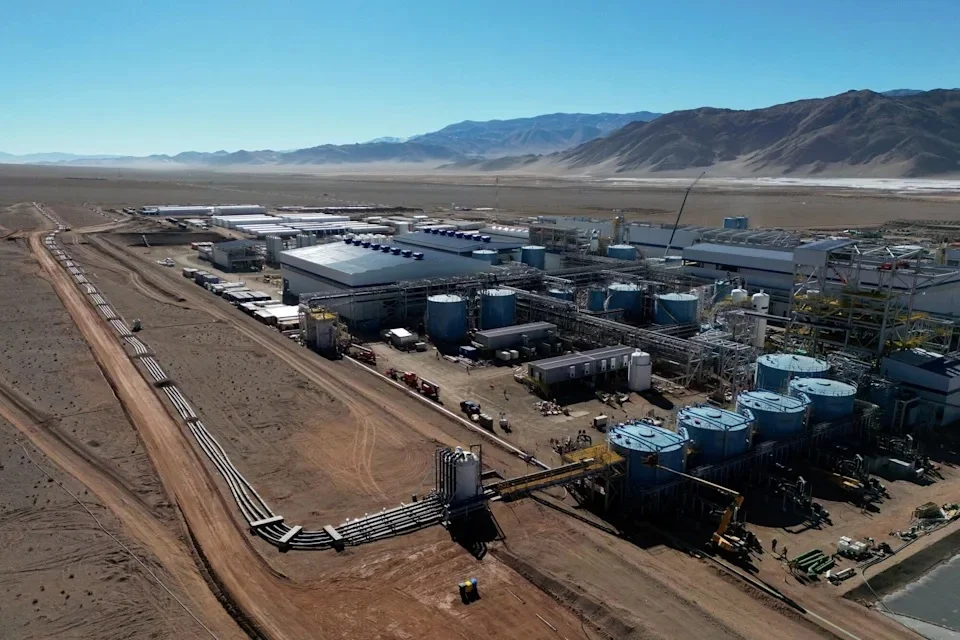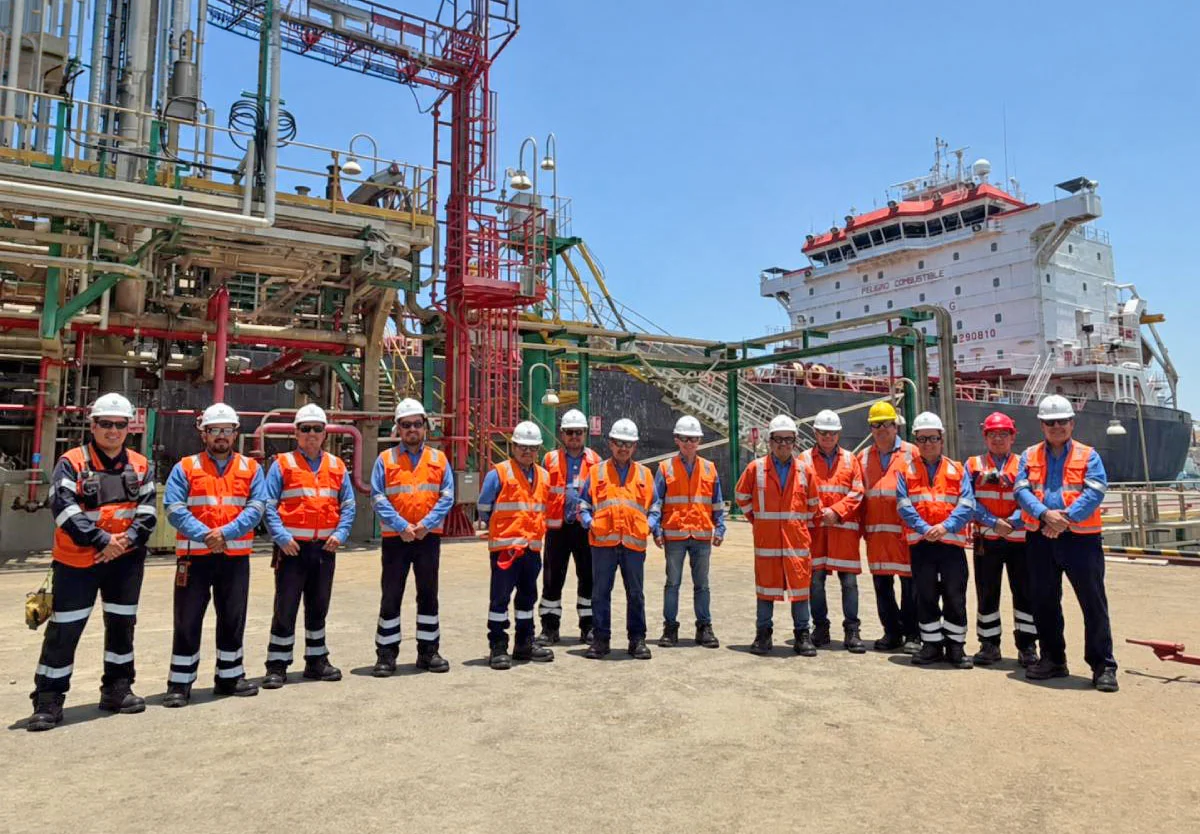
TALARA, PERU – In a significant move signaling a shift toward operational efficiency and fiscal accountability, the Board of Directors of Petroperú, led by Chairman Oliver Stark Preuss, held its first decentralized session at the Talara Refinery. The visit was not merely administrative; it served as a high-level operational audit of the facility’s most critical infrastructure, specifically focusing on the status of the Flexicoking Unit (FCK)—the technological heart of the modernised refinery.
Accompanied by General Manager Luis Suárez Carlo, the delegation conducted a comprehensive inspection of the complex, traversing key areas including the tank farm, the central control room, the Flexicoking Unit, and Pier 2. This visit marks a pivotal moment for the state-owned oil company as it seeks to stabilize production and restore investor confidence in its long-term financial viability.
The Strategic Importance of the Flexicoking Unit (FCK)
The Flexicoking Unit stands as the cornerstone of the New Talara Refinery project. Its successful startup is not just a technical milestone but a financial imperative for the company. During the visit, the leadership team verified that the inspection and maintenance phases of the FCK have been successfully concluded, with the facility now transitioning into a complex, multi-stage startup process.
Understanding the Technology
The FCK process is a specialized thermal cracking technology that allows Petroperú to process heavy crude oil residues—the "bottom of the barrel" products that traditionally have low market value—and convert them into high-demand, high-margin products. Once fully stabilized, the unit will produce:
- High-Quality Fuels: Including cleaner-burning gasoline and diesel compliant with international environmental standards.
- Liquefied Petroleum Gas (LPG): Essential for domestic energy needs across Peru.
- Flexigas: A high-energy byproduct that will be recycled within the refinery as fuel for furnaces and boilers, significantly reducing the refinery’s reliance on external energy sources and lowering operational costs.
The successful integration of the FCK is essential for the refinery to achieve its design capacity and meet the national demand for refined products with greater efficiency.
Chronology of Operations and Oversight
The visit by the Board of Directors provides a clear timeline of the efforts currently underway to optimize the refinery’s performance:
- Maintenance Phase: Over the past months, technical teams focused on rigorous inspections and critical maintenance of the FCK to ensure safety and long-term mechanical integrity.
- Supervision and Audit: The Board’s visit served as the final verification of these works, ensuring that international safety and operational protocols were strictly followed.
- Startup Phase: The refinery is currently in a "progressive startup" phase. This involves the systematic activation of pumps, heaters, and chemical processes to ensure that temperatures and pressures reach equilibrium without compromising the equipment.
- Integration: Following the FCK, the leadership visited the refinery’s laboratory—a facility that boasts accreditation from the National Institute of Quality (INACAL). This laboratory is the final arbiter of quality control, ensuring that every drop of fuel processed meets the stringent specifications required by the Peruvian market.
Supporting Data: Quality Control and Infrastructure
The Talara Refinery is not just a legacy site; it is one of the most modern refining complexes in Latin America. The presence of a world-class laboratory is a strategic asset for Petroperú.
By holding INACAL accreditation, the refinery’s laboratory ensures that all outputs—ranging from low-sulfur diesel to aviation fuel—undergo rigorous testing. This is a critical component of Petroperú’s strategy to maintain a competitive edge in a market increasingly focused on environmental compliance and fuel purity. The Board’s presence in this facility underscored a clear message: operational excellence is no longer optional; it is the standard for Petroperú’s future.
Official Responses and Corporate Strategy
During the visit, Chairman Oliver Stark Preuss held an open dialogue with the refinery’s workforce. The tone of his message was both demanding and supportive, reflecting the challenging financial position in which the company finds itself.
"Petroperú must transform into a solid, sustainable, and profitable company," Stark stated during his address. "We are tasked with generating the results necessary to meet our obligations. Our mission is to strengthen the company’s foundation so that it remains a sustainable entity in the long term, serving the needs of the country without becoming a permanent burden on the national treasury."
This rhetoric marks a departure from previous administrative approaches, emphasizing "fiscal discipline" and "operational transparency." The management’s focus on the Talara facility is indicative of a "back-to-basics" approach, where the company’s primary asset—the refinery—must function at its maximum design capacity to generate the revenue streams required for debt servicing and operational self-sufficiency.
Implications: A Path to Financial Sustainability
The implications of these developments extend far beyond the borders of Talara. For the Peruvian economy, the performance of the Talara Refinery is a macroeconomic factor.
1. Market Stability and Energy Security
By increasing the domestic production of gasoline, diesel, and LPG, Petroperú reduces the nation’s vulnerability to international fuel price volatility and supply chain disruptions. The successful operation of the FCK directly correlates to the nation’s energy independence.
2. Financial Turnaround
Petroperú has faced intense scrutiny regarding its debt levels and historical management. The Board’s decision to hold a decentralized session in Talara suggests a move toward "hands-on" governance. By physically auditing the refinery, the Board is sending a message to shareholders and creditors that the company is taking active, visible steps to unlock the value of its assets.
3. Corporate Culture Shift
The meeting with workers signals an attempt to align the workforce with the goals of profitability and efficiency. By emphasizing a culture of "continuous improvement," the current administration is attempting to move the company away from bureaucratic inertia toward a lean, performance-driven model.
4. Environmental and Regulatory Compliance
The investment in modern refining technology and the emphasis on lab testing reflect a broader commitment to environmental standards. As global markets pivot toward greener energy, Petroperú’s ability to produce cleaner fuels through the FCK will be vital for its continued participation in the regional energy market.
Conclusion: The Road Ahead
The decentralized session at Talara marks the beginning of a critical phase for Petroperú. While the technical startup of the Flexicoking Unit is a major step forward, the true test will be the sustained operation of the facility at its design parameters over the coming months.
The leadership’s emphasis on transparency and profitability provides a roadmap for a company seeking to redefine its role in the national economy. If the Board can successfully bridge the gap between technical potential and fiscal reality, Petroperú may indeed emerge from its current period of instability as a leaner, more resilient, and ultimately profitable enterprise.
For the people of Talara and the nation at large, the success of this refinery is inextricably linked to the success of the company. As the FCK continues its startup trajectory, all eyes will be on the production numbers and the financial reports that follow. The path ahead is rigorous, but the commitment shown by the Board suggests a firm resolve to steer Petroperú toward a new era of stability.