LIMA, PERÚ – Orygen Perú S.A.A., a cornerstone of the nation’s energy infrastructure, has officially released its unaudited separate financial statements for the first half (1S) of 2026. The disclosures reveal a period characterized by significant macroeconomic and operational headwinds, testing the company’s resilience against a backdrop of sectoral volatility. Despite a contraction in key financial metrics, Orygen has signaled a pivot toward long-term sustainability, underscored by a notable increase in capital expenditure directed toward renewable infrastructure.
I. Main Facts: A Challenging Half-Year
The financial data for the first six months of 2026 paints a picture of a company weathering a "more demanding market environment." Orygen reported a 26% decline in total revenues, falling to 893.5 million Soles compared to 1,210.9 million Soles in the same period of 2025. This downward trend is mirrored in the firm’s profitability, with EBITDA dropping 40% to 429.8 million Soles and Net Income experiencing a 54% decline, settling at 206.4 million Soles.
While these figures may raise concerns among short-term investors, the company’s leadership emphasizes the impact of "extraordinary events" that disrupted the broader energy sector’s production capacity. Despite the revenue contraction, Orygen has successfully maintained a disciplined fiscal policy, achieving a 3% reduction in its total debt, effectively lowering its leverage during a period of diminished cash flow.
II. Chronology of Events and Market Context
To understand the 2026 performance, one must look at the evolution of the Peruvian energy landscape over the preceding 18 months.
- Early 2025: The energy sector enjoyed favorable conditions, with stable grid demand and optimized generation assets, resulting in strong baseline figures against which 2026 is now being measured.
- Late 2025: The onset of climatic and operational challenges began to materialize, impacting water flow levels and fuel prices, which tightened margins across the industry.
- Q1 2026: Orygen initiated an aggressive internal audit of its generation portfolio to mitigate the impact of the aforementioned "extraordinary events." During this period, the company prioritized the integration of new technologies to balance its traditional generation mix.
- Q2 2026: The company moved to finalize its investment roadmap, prioritizing the "Wayra Solar" project. This period saw a significant pivot in capital allocation, focusing on future-proofing the company’s generation capacity rather than merely reacting to short-term market fluctuations.
- July 2026: The publication of the 1S 2026 results marks the formalization of this transition period, setting the stage for a strategic shift into the second half of the year.
III. Supporting Data: The Operational Reality
The financial contraction is fundamentally linked to the operational performance of Orygen’s generation fleet.
Financial Performance Overview (Millions of Soles)
| Indicator | 1S 2026 | 1S 2025 | Variance (%) |
|---|---|---|---|
| Revenues | 893.5 | 1,210.9 | (26%) |
| EBITDA | 429.8 | 714.0 | (40%) |
| Net Income | 206.4 | 449.9 | (54%) |
| Total Debt | 1,149.4 | 1,178.7 | (3%) |
| Investments | 114.8 | 87.4 | 31% |
Operational Efficiency Metrics
| Indicator | 1S 2026 | 1S 2025 | Variance (%) |
|---|---|---|---|
| Net Energy Generation (GWh) | 4,054 | 4,147 | (2%) |
| Energy Sales (GWh) | 4,545 | 5,277 | (14%) |
The data indicates that while Net Energy Generation remained relatively stable—dropping by only 2%—the total volume of energy sold plummeted by 14%. This disparity suggests that Orygen faced challenges in market placement, potentially due to oversupply in specific zones or changes in demand-side contractual obligations. However, the most critical data point remains the 31% increase in investments, which reached 114.8 million Soles. This signals that the company is choosing to reinvest liquidity into long-term infrastructure despite the lower earnings profile.
IV. Official Responses: The CEO’s Vision
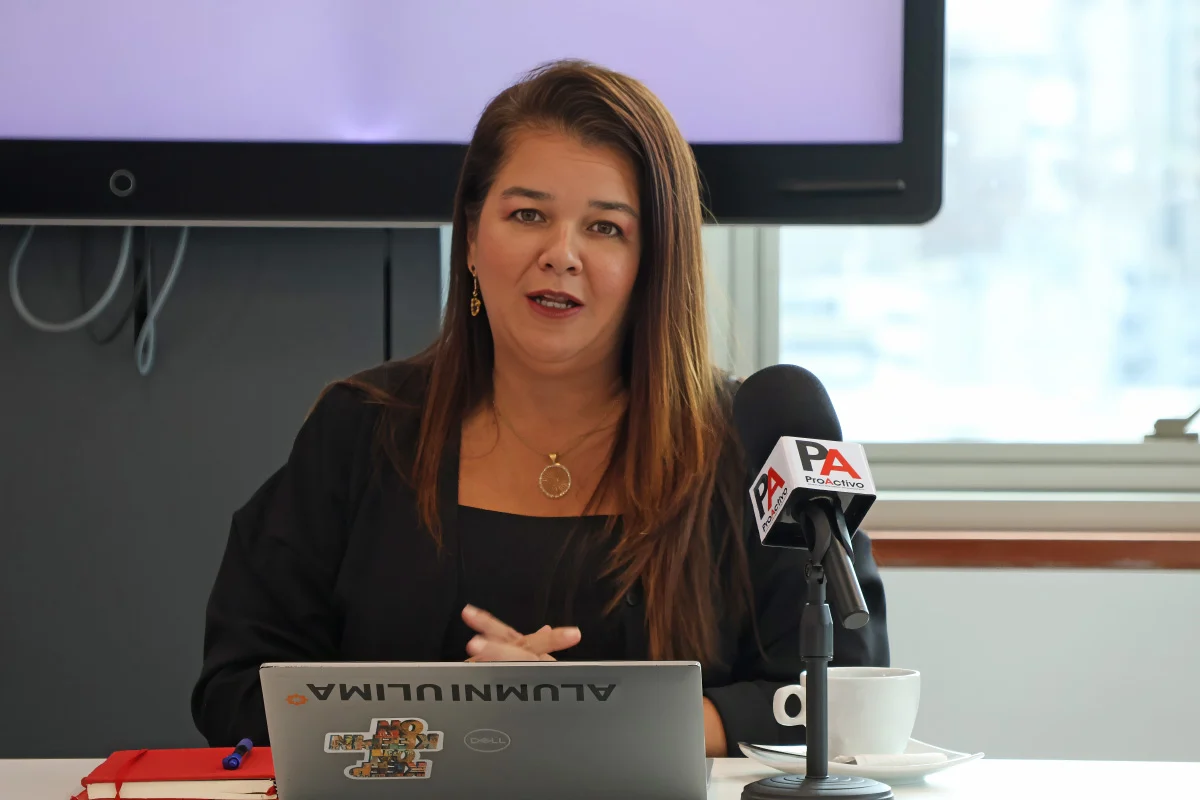
Marco Fragale, CEO of Orygen, took a balanced, forward-looking tone in his address regarding the semi-annual report. He acknowledged the severity of the market conditions while defending the company’s fiscal discipline.
"The results of the first semester reflect a more demanding market environment, with extraordinary events that affected the energy production of the sector," Fragale stated. He emphasized that the company’s primary objective has been to preserve the balance sheet’s integrity while maintaining the construction timeline for critical assets.
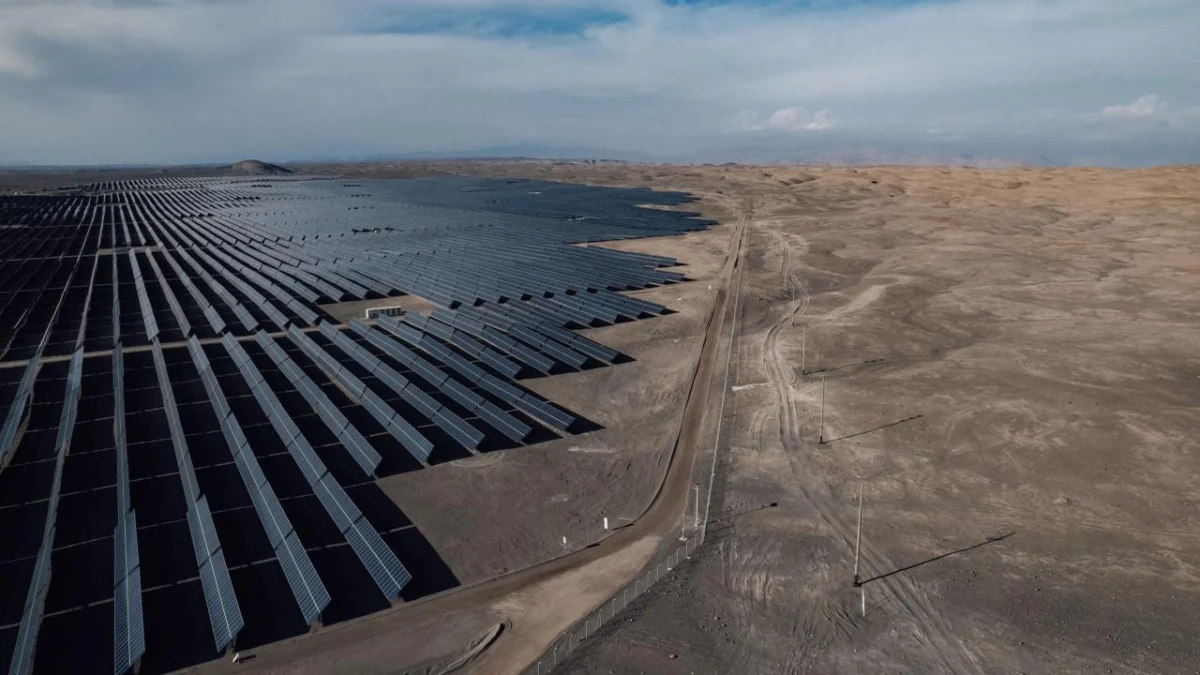
Fragale added: "Frente a este escenario, hemos mantenido una gestión financiera disciplinada, logrando reducir nuestra deuda e incrementando en 31% las inversiones destinadas principalmente al desarrollo de Wayra Solar. Este avance reafirma nuestra visión de largo plazo y nuestro compromiso de continuar fortaleciendo una matriz energética más confiable, competitiva y sostenible para el país."
By framing the investment in Wayra Solar as a "strengthening of the national matrix," Fragale is clearly aiming to align Orygen’s corporate interests with the Peruvian state’s goals for energy independence and decarbonization.
V. Implications: Strategic Shifts for the Second Half
The 2026 mid-year report for Orygen provides several key takeaways regarding the future trajectory of the firm:
1. The Pivot to Renewables
The 31% increase in capital expenditure, specifically directed at Wayra Solar, is not just a line item—it is a strategic pivot. By prioritizing solar, Orygen is attempting to hedge against the volatility of traditional generation sources that were clearly impacted by the "extraordinary events" mentioned in the report. This diversification is expected to lower the company’s operational risk profile in the coming years.
2. Debt Management and Balance Sheet Strength
In an environment where interest rates and capital costs remain volatile, Orygen’s success in reducing its total debt by 3% while revenues were under pressure is a significant achievement. It demonstrates a conservative treasury approach that protects the company’s credit rating and provides more "dry powder" for future project financing.
3. Market Competitive Challenges
The 14% drop in energy sales (GWh) is the most pressing issue for the management team to address in the second half of 2026. This indicates a loss of market share or a decrease in demand from industrial off-takers. Investors will be looking for clues in the Q3 and Q4 reports as to whether the company can regain this volume through more competitive pricing or if the market has fundamentally shrunk.
4. Regulatory and Macroeconomic Outlook
Orygen operates in a highly regulated sector. The "extraordinary events" likely refer to climatic shifts (such as El Niño-related impacts on hydro generation) or regulatory adjustments in the power pool. As the company continues to invest in renewables, its interactions with the government regarding grid access and subsidies for sustainable energy will become the primary driver of its stock and bond performance.
Conclusion
Orygen Perú S.A.A. has demonstrated a remarkable capacity for structural adaptation during a difficult first half of 2026. While the headline figures—revenue and net income—reflect the volatility of the current market, the underlying operational and investment data reveal a company that is intentionally positioning itself for the future.
The focus on the Wayra Solar project suggests that the leadership is not looking to chase short-term profit spikes at the expense of long-term viability. For stakeholders, the message is clear: Orygen is tightening its belt to finance the energy transition. Whether this strategy will yield the anticipated returns will depend on the company’s ability to navigate the second half of 2026 and effectively bring its new solar assets online to capture the evolving demand of the Peruvian market.
As the energy sector continues to modernize, Orygen’s role as a reliable supplier will be tested by its ability to balance fiscal discipline with the aggressive capital requirements of modernizing its generation matrix. The path forward remains challenging, but the company’s commitment to sustainability and debt reduction provides a foundation for stability in an increasingly unpredictable global energy environment.