In a move that underscores the shifting landscape of the global energy transition, the French mining giant Eramet SA has officially initiated discussions to divest a stake in its high-profile lithium operations in Argentina. As the global demand for battery-grade lithium continues to climb, the company is actively courting international interest to secure capital, reduce its mounting debt burden, and streamline its global portfolio.
Industry giants, including the multinational commodity trader Glencore Plc and the Paris-based private equity firm InfraVia Capital Partners, have emerged as frontrunners in the preliminary bidding process. The potential sale represents a pivotal moment for Eramet, which is currently navigating a period of significant operational and financial turbulence.
The Core Objective: Strategic Monetization
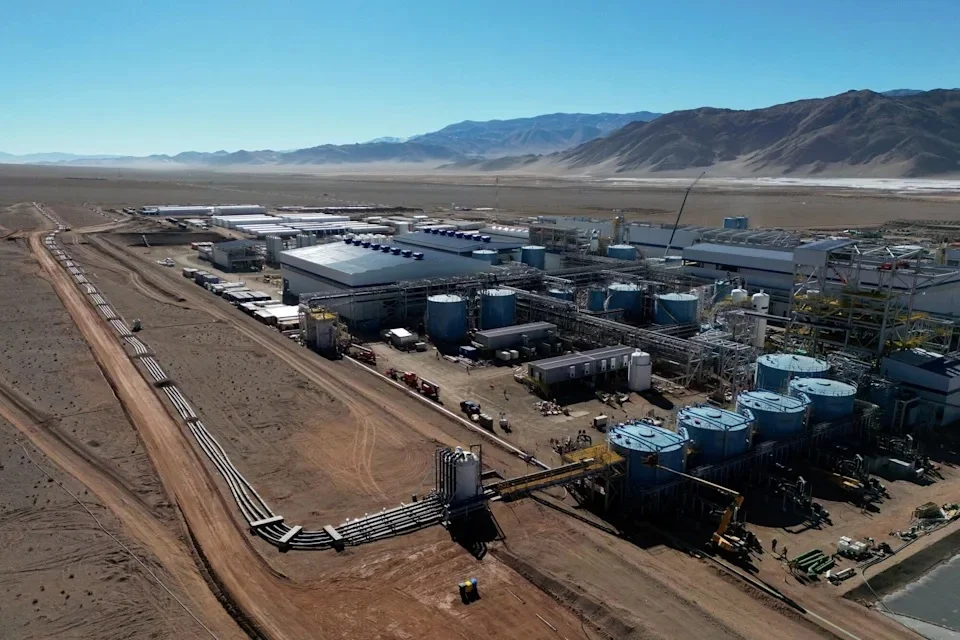
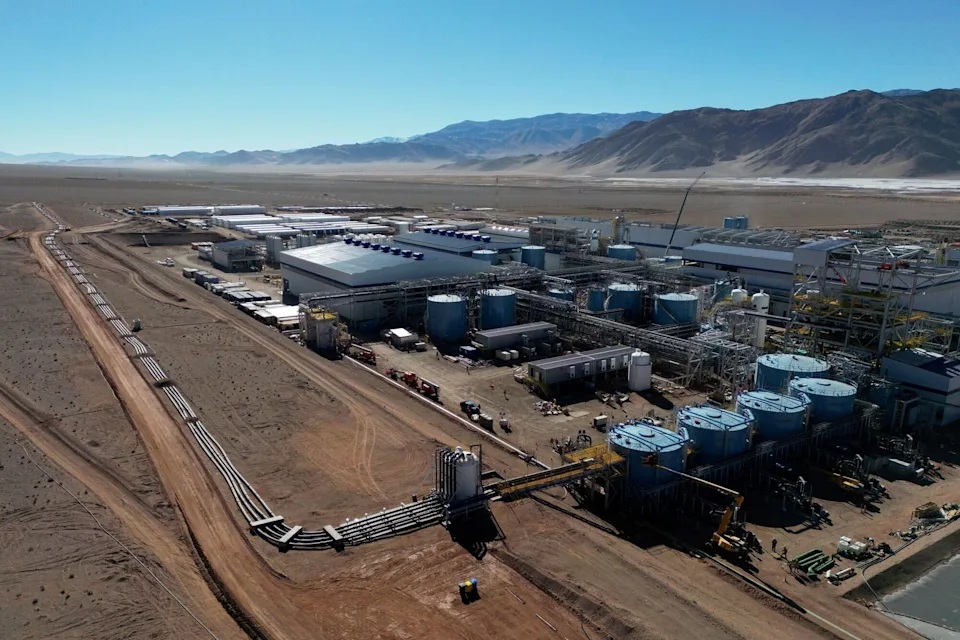
Eramet’s primary motivation for exploring this divestment is to fortify its balance sheet. The company’s debt levels spiked significantly throughout the previous fiscal year, exacerbated by a confluence of operational setbacks in international markets. By seeking a partner for its Argentine lithium business—specifically the Salar Centenario-Ratones project—Eramet aims to unlock the intrinsic value of its assets while simultaneously offloading the financial weight of further expansion phases.
The Argentine project is considered a "crown jewel" within Eramet’s portfolio, particularly following the company’s strategic decision in 2024 to reacquire a 49.9% stake from its former partner, the Chinese conglomerate Tsingshan Holding Group. The project utilizes Direct Lithium Extraction (DLE) technology, which has proven increasingly effective in the brine deposits of the Salta province. As of the first half of 2026, the project successfully reached a positive cash flow, marking a vital milestone in its commercial viability.
Chronology: A Path Toward Divestment
To understand the current negotiations, it is necessary to examine the series of events that brought Eramet to this juncture:
- February 2026: Eramet unveils a comprehensive restructuring plan aimed at raising capital through asset sales and equity issuance to address rising debt.
- Early 2026: A series of corporate governance challenges begins, marked by the unexpected departures of the CEO and CFO, destabilizing investor confidence.
- Mid-2026: The company faces operational headwinds, including a severe production cut at its nickel operations in Indonesia and a damaging fire at its mineral sands facilities in Senegal.
- July 2026: During a quarterly earnings call, interim CEO Christel Bories explicitly confirms that the company is exploring divestment options for its Argentine lithium business to facilitate future expansion.
- Late 2026: Market reports confirm that formal inquiries have been extended to potential partners in Japan, the United States, and Europe, signaling the formalization of the sales process.
Potential Suitors and Strategic Synergies
The list of interested parties reveals a clear strategic intent from global players to secure a footprint in the lithium value chain.
Glencore Plc: The Trading Powerhouse
Glencore has long maintained a commercial partnership with Eramet. While the Swiss-based firm is a titan in the commodities space—dominating markets for copper, cobalt, and nickel—it has yet to establish itself as a primary owner or operator of lithium mines. Acquiring a stake in the Centenario-Ratones project would allow Glencore to vertically integrate its lithium trading business, mitigating the risks of supply chain volatility.
InfraVia Capital Partners: The European Sovereign Link
InfraVia, headquartered in Paris, operates with the backing of French government interests. Its investment thesis is deeply aligned with Europe’s "Critical Raw Materials Act," which seeks to reduce reliance on foreign supply chains. Having recently invested in lithium and copper projects in Australia and Sweden, as well as a rare-earth processing plant in France, InfraVia represents a strategic "sovereign-adjacent" partner that could provide Eramet with the political and financial stability required for long-term growth.
Financial Context and Operational Stability
Despite the narrative of distress, Eramet’s financial situation has shown signs of stabilization. By the end of June 2026, the company successfully consolidated its net debt at approximately €2 billion. This recovery was largely driven by a rebound in the market prices of manganese and the increasing output from the Argentine lithium fields.
However, the road ahead remains complex. The company’s 27% ownership stake held by the French state necessitates that any divestment, particularly regarding critical mineral assets, passes through a rigorous political and economic filter. Parallel to the lithium talks, Eramet has reportedly engaged in separate, high-stakes negotiations with Danantara, the Indonesian sovereign wealth fund, regarding a potential stake sale in its Indonesian nickel assets. This two-pronged approach demonstrates an aggressive commitment to liquidity.
Official Stances and Market Speculation
As is standard in high-stakes corporate finance, the parties involved—Eramet, Glencore, and InfraVia—have maintained a policy of silence, declining to provide official comments on the progress of the discussions.
Industry analysts suggest that the negotiations remain in the "discovery" phase. There is no guarantee that an agreement will be reached, as valuation discrepancies between Eramet’s expectations and the bidders’ assessment of long-term lithium price volatility could stall the process. However, the pressure to expand the Salar Centenario-Ratones project provides a strong incentive for Eramet to finalize a deal that brings in a capital-rich partner capable of funding the next phase of development.
Implications for the Global Lithium Market
The potential sale of a stake in the Centenario-Ratones project has broader implications for the global energy sector:
- The Rise of DLE Technology: The successful deployment of Direct Lithium Extraction at the site proves that the technology is maturing. This could set a precedent for other miners operating in the Andean "Lithium Triangle."
- Increased Corporate Consolidation: The interest from Glencore highlights a broader trend where commodity trading houses are moving upstream to secure physical assets, rather than merely acting as middlemen.
- European Resource Security: Should InfraVia or a similar European entity secure a stake, it would represent a significant step in the European Union’s quest for strategic autonomy in the battery-metals market.
- Argentina as a Mining Hub: Despite internal economic volatility, the sustained interest from global firms in Argentine assets reaffirms the country’s status as a Tier-1 jurisdiction for lithium production.
Conclusion: A Balancing Act for Eramet
Eramet stands at a crossroads. The company must balance the immediate need to appease creditors and stabilize its leadership structure with the long-term necessity of holding onto assets that are vital for the global energy transition.
The decision to open the capital of its Argentine operations is not merely a distress sale; it is a strategic repositioning. By bringing in a partner, Eramet can share the capital expenditure required for the next phase of its growth while retaining its role as an operator. As the global transition toward electric vehicles and renewable energy storage accelerates, the outcome of these negotiations will serve as a bellwether for the health of the mining sector and the future of critical mineral investment.
For now, the industry watches closely as Eramet attempts to transform its debt-laden portfolio into a lean, partnership-driven enterprise capable of navigating the complex, high-stakes future of the global battery market.