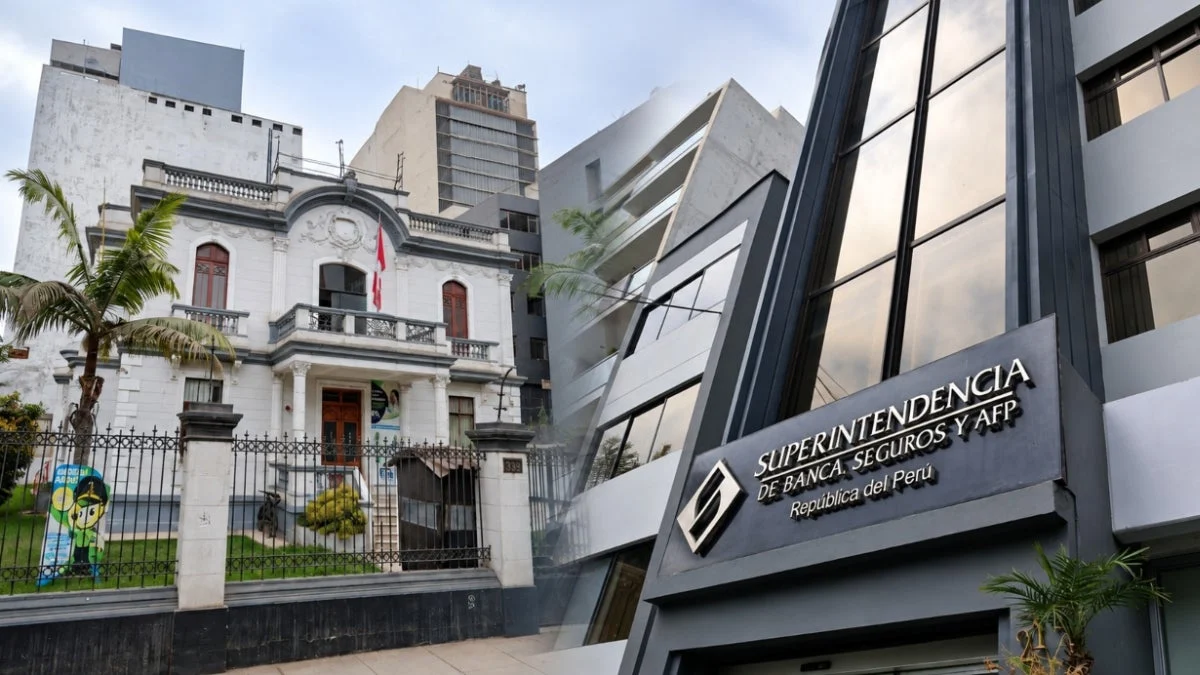
In a move aimed at protecting the integrity of the financial system and the interests of its members, the Superintendencia de Banca, Seguros y AFP (SBS) has officially ordered the dissolution of the Cooperativa de Ahorro y Crédito Central Sindical Lima. The decision, formalized through a resolution published in the official gazette El Peruano on October 7, 2026, marks the end of a protracted period of regulatory non-compliance and financial opacity that had long concerned authorities.
The intervention follows a systemic failure by the institution to provide mandatory financial disclosures, a requirement that serves as the bedrock for the supervision of cooperatives. By failing to report its financial standing between September 2025 and June 2026, the institution crossed the regulatory threshold into "inactivity," triggering the drastic measure of dissolution under current banking regulations.
The Core Facts of the Dissolution
The Central Sindical Lima, categorized as a Level 2 cooperative, was under a strict mandate to submit its financial statements on a quarterly basis. This reporting frequency is essential for regulators to monitor the liquidity and solvency of such entities. However, the cooperative ceased all transparency efforts following the submission of corrected statements for the period ending June 2025.
The SBS had initially attempted to guide the institution toward compliance, offering grace periods and identifying specific deficiencies in their accounting practices. Despite these efforts, the cooperative failed to respond to a final 10-day ultimatum that expired on September 16, 2026. The silence from the cooperative’s management during this period left the regulator with no alternative but to declare the institution inactive, thereby initiating the legal process of dissolution and exclusion from the National Registry of Cooperatives of Savings and Credit (COOPAC).
Chronology of Regulatory Failure
The path to dissolution was not abrupt; it was the culmination of a deteriorating relationship between the regulator and the cooperative’s governing board.
- Mid-2025: Initial audits by the SBS revealed significant accounting discrepancies, including unsubstantiated assets and improperly categorized financial income. The SBS mandated a series of corrections.
- Late 2025: While the cooperative complied with the request to submit corrected statements up to June 2025, the momentum of transparency stalled immediately thereafter.
- September 2025 – June 2026: The institution entered a period of total reporting silence, failing to file any financial documentation for three consecutive quarterly cycles.
- September 2026: The SBS issued a final formal warning, granting the cooperative 10 business days to rectify the lack of filings.
- September 16, 2026: The deadline passed without submission, confirming the cooperative’s status as inactive.
- October 7, 2026: The official resolution of dissolution was published in El Peruano, triggering the appointment of liquidators and the formal commencement of the wind-down process.
Uncovering the Financial Irregularities
The decision to dissolve the entity was not based solely on its silence; rather, the silence served as the final straw in a long-standing investigation into the cooperative’s fiscal management. The SBS uncovered several alarming practices that suggested a profound mismanagement of members’ savings:
1. Unjustified Financial Assets
Investigators identified nearly S/68,000 in "prepaid expenses and deferred charges" that lacked any supporting documentation. In accounting terms, this suggests that the cooperative was inflating its asset base with entries that held no real-world value or proof of legitimacy.
2. Failure in Risk Provisioning
Financial entities are legally required to set aside "provisions"—capital reserves held to cover potential losses from non-performing loans or economic shocks. The SBS detected a deficit of over S/32,000 in these provisions, meaning the cooperative was operating with insufficient safety nets to protect its members’ deposits against the reality of credit risks.
3. Improper Revenue Recognition
The SBS found that the cooperative had been recording income that was not actually earned or recognized under standard accounting principles. By "extorning" (removing) these phantom revenues, the regulator effectively wiped out a significant portion of the cooperative’s previously reported profits, revealing a much weaker financial health than the members were led to believe.
4. Legal Contingencies and Indecopi Complaints
Perhaps most concerning was the discovery of a S/258,000 deficit in provisions related to legal contingencies. This figure was tied to eight distinct complaints filed by members with the National Institute for the Defense of Competition and Protection of Intellectual Property (Indecopi). The cooperative had failed to recognize the economic impact of these ongoing legal battles, essentially ignoring potential liabilities that directly threatened its solvency.
The Role of the Liquidators
Following the dissolution order, the SBS has appointed Elizabeth Salvatierra Laura as the principal temporary administrator, with Karen Cerna Guillen serving as the alternate. Their mandate is comprehensive and rigorous:
- Asset Seizure: They are tasked with taking physical possession of all cooperative properties, documents, and digital records to prevent the destruction or removal of evidence.
- Inventory and Valuation: A full audit of all assets and liabilities will be conducted to determine the real net worth of the institution.
- Creditor Management: The administrators must compile a definitive list of all creditors, including the members themselves, who are now essentially creditors of the liquidated entity.
- Loan Recovery: The administration maintains the authority to continue collecting on outstanding loans. Borrowers are reminded that the dissolution of the cooperative does not absolve them of their debt obligations; those funds remain essential for the potential repayment of depositors.
Implications for Members and the Financial System
The dissolution of Central Sindical Lima sends a clear signal to the cooperative sector: the SBS is tightening its grip on non-compliant institutions. For the members of the cooperative, the situation is delicate.
What the Dissolution Means
It is crucial to clarify that "dissolution" is not synonymous with the immediate disappearance of the entity. The legal personality of the cooperative persists throughout the liquidation process. The entity will continue to exist until the final report of liquidation is approved and its extinction is recorded in the Public Registry.
Debt and Interest
A critical change occurring with the start of the liquidation process is the cessation of conventional interest on the cooperative’s debts. Moving forward, all outstanding debts will only generate "legal interest," a move designed to stabilize the financial chaos and provide a transparent path for the settlement of accounts.
The Broader Regulatory Context
This case underscores the evolution of the Peruvian financial regulatory landscape. Since the implementation of stricter rules for COOPACs, the SBS has become increasingly proactive in identifying institutions that operate with high levels of leverage or opaque accounting. By forcing the dissolution of Central Sindical Lima, the regulator is attempting to purge the system of "zombie" cooperatives—entities that continue to hold public funds without the necessary capitalization or operational transparency to guarantee their security.
Conclusion: A Lesson in Transparency
The collapse of Central Sindical Lima is a cautionary tale for both the management of financial cooperatives and the members who entrust them with their capital. The failure to submit timely financial statements is not a mere bureaucratic oversight; as demonstrated in this case, it is often a symptom of underlying financial decay and a precursor to total insolvency.
As the liquidators begin the arduous task of sifting through the remains of the institution, the members of the former cooperative must remain vigilant. The process of liquidation is designed to maximize the recovery of assets to pay off creditors, but it is rarely a quick or painless endeavor. Moving forward, the focus for the regulator will be to ensure that the transition is orderly, legal, and as transparent as the cooperative itself failed to be.
For the wider public, this incident reinforces the importance of verifying the regulatory status of any financial institution before depositing savings. In an economy where financial security is paramount, the SBS’s decisive action serves as a necessary, if difficult, mechanism to maintain trust in the broader financial architecture of Peru.