Puno, Peru – In a significant stride towards enhancing the well-being of vulnerable populations in the remote highlands of Puno, the Peruvian government’s Programa PAIS (Platform for Social Inclusion Services) and the prominent mining company Minsur have solidified a strategic partnership. This collaboration aims to deliver essential medical, educational, and productive development services to isolated communities, significantly improving the quality of life for thousands of families.
The alliance, forged during a productive working meeting between key representatives of both entities, underscores a shared commitment to social responsibility and inclusive development. The core of this initiative revolves around leveraging the extensive network of "tambos" – multi-service centers established by Programa PAIS – and the operational presence of Minsur to bring vital resources closer to those who need them most.
The Genesis of a Crucial Partnership: Addressing Deep-Seated Needs
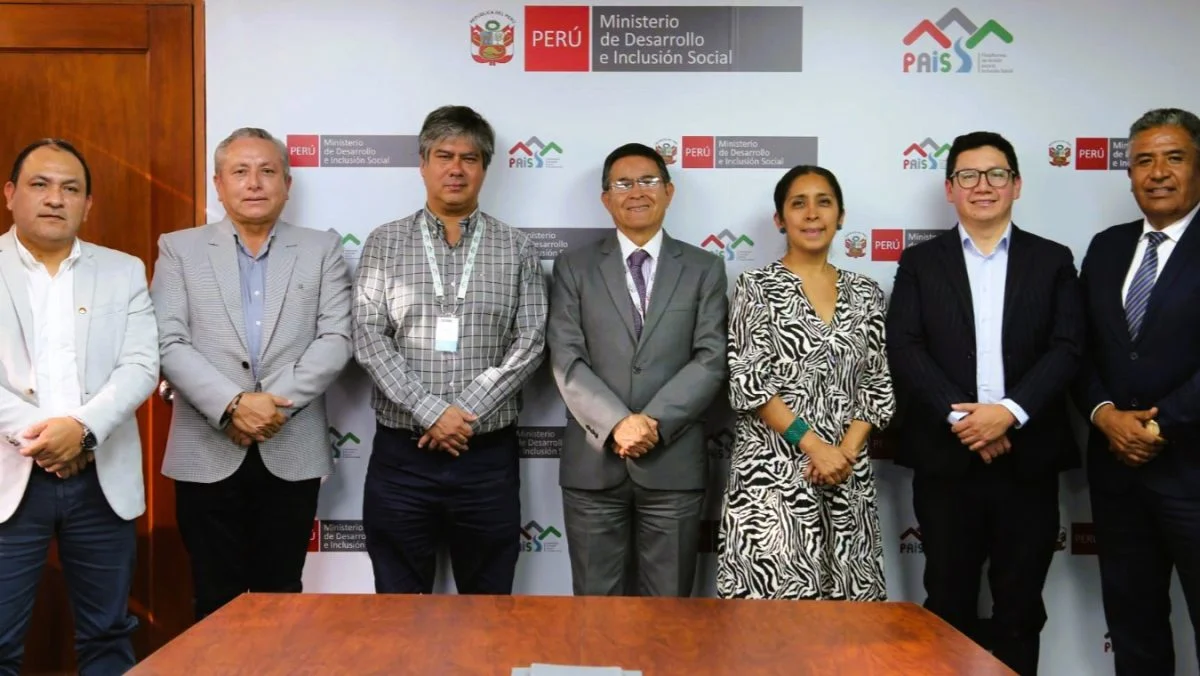
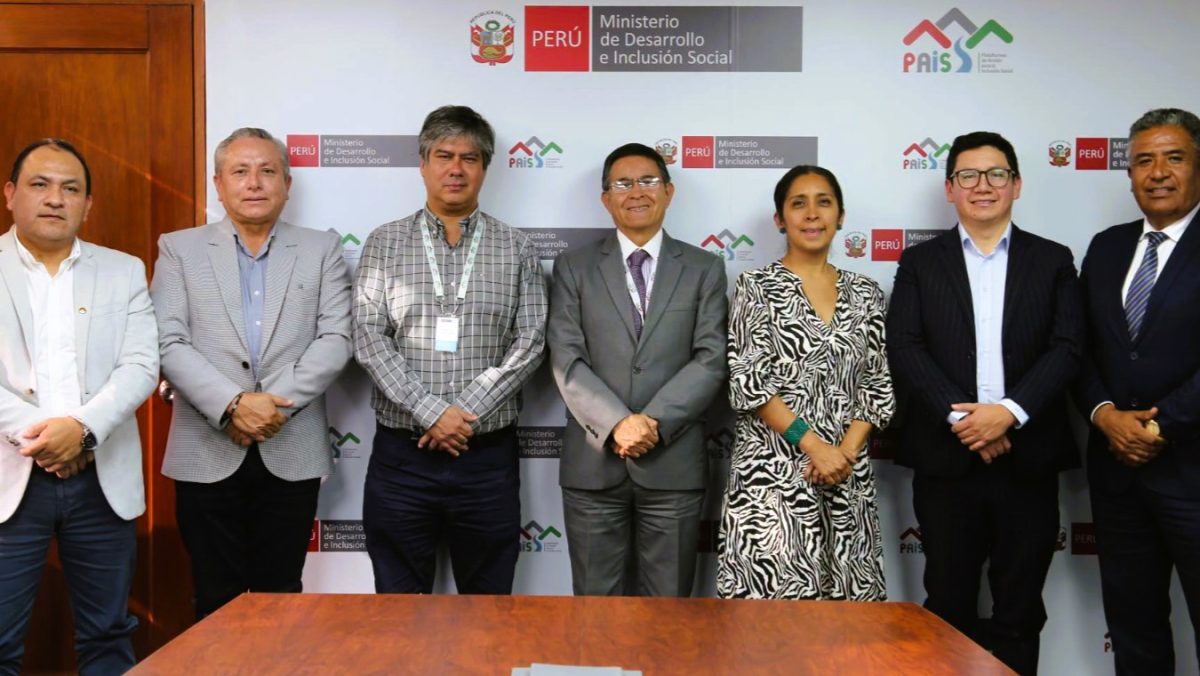
The meeting, which brought together Javier Carmelo Ramos, Director of Programa PAIS, and Minsur’s Enrique Kitamoto, Communications Manager, and Elías José de la Puente, Superintendent of Social Management, focused on identifying synergistic opportunities. The primary objective is to extend a comprehensive suite of social services to communities located in the Melgar province of Puno, a region characterized by its challenging geography and significant socio-economic disparities.
Programa PAIS, an initiative under the Ministry of Development and Social Inclusion (Midis), plays a pivotal role in bridging the service gap for citizens living in geographically isolated or difficult-to-access areas. Its network of "tambos" serves as decentralized hubs, offering a spectrum of public services, from healthcare and education to administrative support and digital connectivity. Minsur, a leading mining company with a substantial operational footprint in Puno, brings to the table its deep understanding of the local context, its established community relations, and its capacity to contribute resources and logistical support.
The partnership will initially focus on the 11 tambos operating within the Melgar province, an area encompassing approximately 400 Quechua-speaking communities. These communities, situated at altitudes ranging from 3,900 to 4,200 meters above sea level, often face immense challenges in accessing basic services. The initiative also plans to extend its reach through multisectoral caravans, mobile service units that can penetrate even deeper into remote areas, ensuring that no community is left behind.
Expanding Reach and Impact: The Power of Tambos and Caravans
The strategic utilization of the 11 tambos in Melgar is central to this collaborative effort. These centers are more than just physical locations; they are equipped with internet access and modern facilities designed to enhance the delivery of services. By integrating Minsur’s support, the tambos will be empowered to offer an even more robust and responsive service to an estimated 12,000 individuals.
The geographical isolation of these communities presents a significant barrier to accessing essential services. Traditional service delivery models often prove impractical and costly in such environments. Programa PAIS’s tambo network, strategically located within these remote areas, provides a tangible solution. These centers act as vital lifelines, bringing government services directly to the doorstep of the residents.
Furthermore, the planned multisectoral caravans will significantly amplify the reach of this initiative. These mobile units, equipped to deliver a range of services, will be able to visit communities not directly served by a tambo, ensuring a more equitable distribution of support. This innovative approach acknowledges the dynamic and dispersed nature of life in the highlands, adapting service delivery to meet the unique needs of each community.
A Multifaceted Approach to Well-being: Medical, Educational, and Productive Development
The scope of services to be delivered through this partnership is comprehensive, addressing critical areas of human development.
Medical Services: The demand for healthcare in these remote regions is particularly high. Common medical services that will be prioritized include general medicine, obstetrics, laboratory testing, and the provision of essential medications. Access to timely and quality healthcare is crucial for improving maternal and child health, managing chronic diseases, and preventing the spread of infectious illnesses. The partnership aims to strengthen the existing healthcare infrastructure within the tambos and through mobile units, ensuring that residents can receive prompt medical attention without the need for arduous journeys to distant urban centers.
Educational Initiatives: Recognizing the vital role of education in breaking cycles of poverty and fostering long-term development, the partnership will also focus on strengthening educational opportunities. This will involve initiatives targeting children, adolescents, and adults, aiming to improve literacy rates, enhance learning outcomes, and provide access to educational resources. The tambos can serve as learning centers, offering supplementary educational programs, digital learning opportunities, and support for students and teachers.
Productive Development and Skill Enhancement: Empowering local communities through economic opportunities is a cornerstone of sustainable development. The collaboration will focus on strengthening productive skills by offering training programs and providing access to tools and resources that support the development of small-scale producers. This could include agricultural training, livestock management, handicrafts, and other income-generating activities relevant to the local context. By fostering these skills, the partnership aims to enhance self-sufficiency, improve livelihoods, and stimulate local economies.
The selection of districts within Melgar province – Antauta, Ayaviri, Cupi, Macari, Nuñoa, Orurillo, and Santa Rosa – highlights the focus on areas facing particular challenges due to their altitude and remoteness. The fact that these communities are situated at such high elevations presents unique health and logistical considerations, underscoring the importance of tailored and accessible service delivery models.
Supporting Data and the Underlying Challenges
While the article does not provide specific statistics on the prevalence of certain health conditions or educational attainment levels in these specific communities, the general context of rural and remote Peru points to significant disparities. According to national statistics from Peru’s National Institute of Statistics and Informatics (INEI), rural populations often experience lower access to healthcare, higher rates of infant mortality, and lower educational attainment compared to urban counterparts.
The challenges faced by communities at high altitudes are also well-documented. These include increased risk of respiratory illnesses, effects of extreme weather conditions, and difficulties in accessing specialized medical care. Furthermore, the cultural and linguistic diversity of these Quechua-speaking communities requires a sensitive and culturally appropriate approach to service delivery.
The partnership between Programa PAIS and Minsur is thus designed to address these deeply entrenched challenges by bringing resources and expertise directly to the people. The utilization of tambos, which are designed to be accessible and culturally sensitive, is a key strategy in overcoming these barriers. The inclusion of multisectoral caravans further demonstrates a commitment to reaching the most isolated individuals and families.
Official Responses and Strategic Vision
Javier Carmelo Ramos, Director of Programa PAIS, emphasized the strategic importance of this alliance. "Our mission at Programa PAIS is to ensure that every Peruvian, regardless of where they live, has access to essential public services," Ramos stated. "This collaboration with Minsur is a testament to our commitment to forging strong partnerships that amplify our impact. By working together, we can significantly improve the lives of families in Puno’s remote communities, empowering them with the tools and opportunities they need to thrive."
Enrique Kitamoto, Communications Manager at Minsur, highlighted the company’s dedication to social responsibility. "Minsur is deeply committed to the sustainable development of the regions where we operate," Kitamoto commented. "We recognize the unique challenges faced by communities in Puno, and we are proud to partner with Programa PAIS to contribute to improving their quality of life. This initiative aligns perfectly with our social investment strategy, focusing on tangible improvements in health, education, and economic empowerment."
Elías José de la Puente, Superintendent of Social Management at Minsur, added, "Our engagement with these communities is built on a foundation of dialogue and mutual respect. We believe that by combining our resources and local knowledge with the expertise of Programa PAIS, we can create lasting positive change. This partnership will enable us to reach more people, deliver more impactful services, and foster a stronger sense of community well-being."
The strategic vision behind this partnership is to create a replicable model for inclusive development in other remote regions of Peru. By demonstrating the effectiveness of public-private collaboration in addressing complex socio-economic challenges, this initiative can serve as a blueprint for future interventions. The focus on integrated services – medical, educational, and economic – acknowledges that true development requires a holistic approach that addresses the multifaceted needs of individuals and communities.
Implications and the Path Forward: A Brighter Future for Puno’s Highlands
The implications of this partnership are far-reaching and hold the promise of a significantly improved future for the residents of Melgar province and, potentially, for other remote communities across Peru.
Enhanced Access to Essential Services: The most immediate impact will be the increased accessibility of vital services. Families will no longer have to undertake long and often perilous journeys to obtain medical care, access educational resources, or receive support for their economic activities. This will lead to improved health outcomes, better educational attainment, and increased economic opportunities.
Empowerment and Self-Sufficiency: By focusing on productive development and skill enhancement, the partnership aims to empower communities to become more self-sufficient and resilient. This will not only improve individual livelihoods but also contribute to the overall economic development of the region.
Strengthened Social Inclusion: The initiative directly addresses the issue of social exclusion, ensuring that vulnerable populations are not left behind. By bringing services to their doorsteps, Programa PAIS and Minsur are fostering a greater sense of belonging and inclusion for these remote communities.
Model for Sustainable Development: This collaboration serves as a powerful example of how public-private partnerships can effectively address complex development challenges. The synergy between government initiatives and private sector resources can unlock significant potential for positive change, creating a sustainable model for inclusive growth.
Long-Term Impact: The focus on education and skill development ensures that the benefits of this partnership will extend far beyond immediate service delivery. By investing in human capital, the initiative is laying the groundwork for a brighter and more prosperous future for generations to come.
As the partnership between Programa PAIS and Minsur unfolds, its success will be measured not only by the number of services delivered but also by the tangible improvements in the lives of the people it serves. The commitment to a holistic, community-centered approach, coupled with the robust infrastructure of tambos and the innovative reach of mobile caravans, positions this alliance as a beacon of hope and a catalyst for transformative change in the remote highlands of Puno. The image of children receiving medical attention, adults gaining new skills, and communities thriving with access to essential services paints a vivid picture of the positive future being built through this crucial collaboration.