Peru’s Mining Sector Poised for Record Investment as Government Prioritizes Economic Growth and Energy Transition
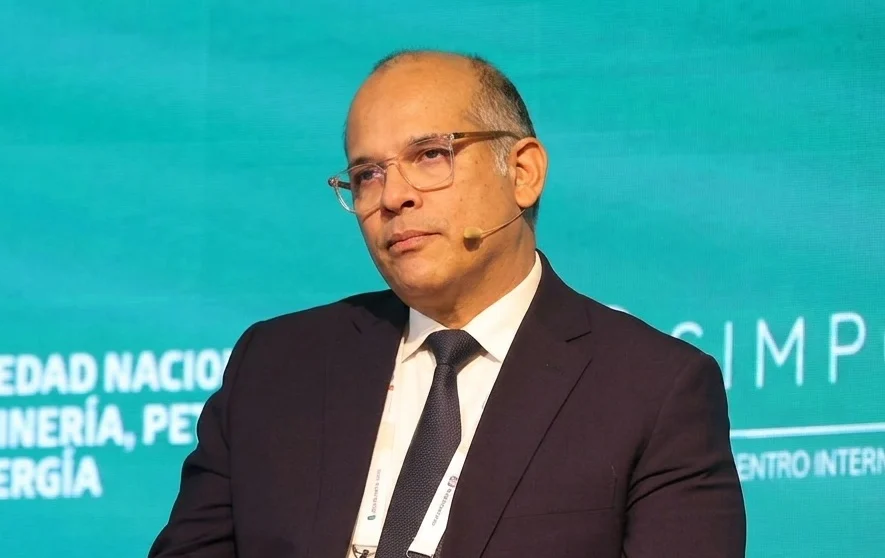
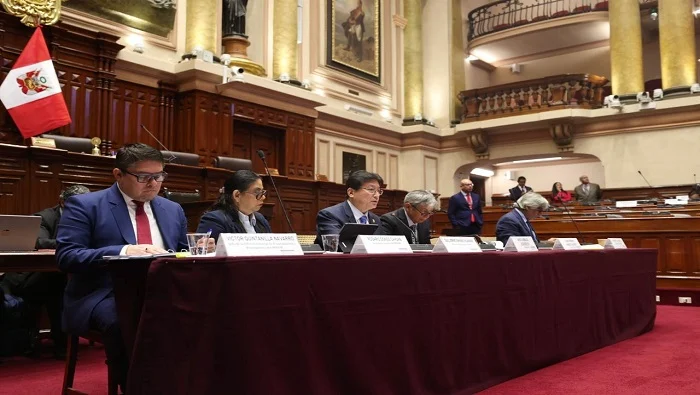
Lima, Peru – September 18, 2026 – Peru’s vital mining sector is on the cusp of a significant economic boom, with projections indicating a record-breaking US$7 billion in executed mining investment by the close of 2026. This landmark figure, if realized, would represent the highest level of investment seen in the nation’s mining industry in the past decade. The ambitious target was unveiled by Guillermo Shinno, Peru’s Minister of Energy and Mines, during a comprehensive presentation of the ministry’s institutional budget proposal for the year 2027.
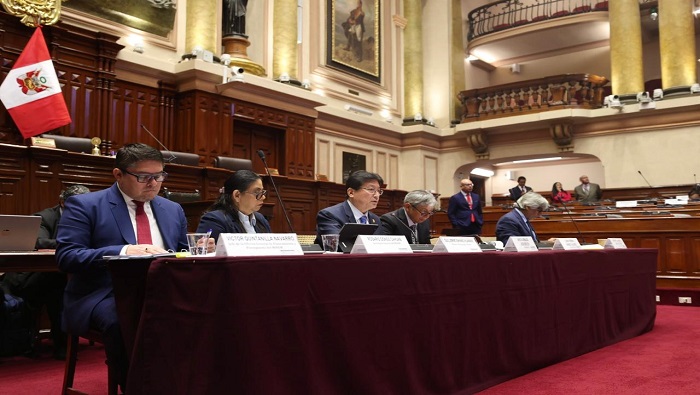
The proposed budget for the Ministry of Energy and Mines for 2027 stands at S/ 823.7 million, with a substantial 52% of this allocation earmarked for financing public investment projects and capital expenditures. This strategic allocation underscores the government’s commitment to leveraging the mining sector as a primary engine for Peru’s economic dynamism and development.
Main Facts: A Decade of Growth and Future Ambitions
The announcement of the US$7 billion investment target by Minister Shinno signals a robust recovery and expansion trajectory for Peru’s mining industry. This figure surpasses previous benchmarks and indicates a strong investor confidence in the country’s mineral potential and regulatory environment. The mining sector has long been a cornerstone of the Peruvian economy, contributing significantly to its Gross Domestic Product (GDP), export earnings, and employment.
The minister’s remarks highlighted the positive momentum already evident in the sector. Between January and July of the current year (2026), executed mining investment already surpassed US$4.117 billion. This represents an impressive 45% increase compared to the same period in the preceding year. This substantial growth serves as a strong indicator for positive expectations regarding the mining sector’s development through the remainder of 2026.
Beyond mining, Minister Shinno also provided an update on the nation’s energy initiatives. He affirmed that Peru has successfully surpassed its connectivity goals for natural gas, with 25.7% of households now having access to this more economical energy resource. This expansion is expected to provide significant financial relief to families and contribute to a more sustainable energy landscape.
The budget allocated for the Ministry of Energy and Mines is strategically directed towards a multi-faceted approach to national development. Key areas of investment include the expansion of rural electrification, the reduction of social disparities, the remediation of environmental liabilities stemming from past mining activities, and the strengthening of the formalization process for small-scale mining operations.
Minister Shinno reiterated his administration’s dedication to fostering a streamlined and efficient regulatory framework. This includes simplifying administrative procedures and expediting permit processes to accelerate the formalization of small-scale extractive activities. The ultimate goal is to integrate these operations into the formal economic and productive circuits of the country, thereby unlocking their full potential and ensuring responsible resource management.
Chronology: A Steady Ascent Towards Investment Milestones
The journey towards achieving these ambitious investment figures is built upon a foundation of consistent policy efforts and a favorable global commodity market. While the provided text focuses on the present and immediate future, understanding the preceding years provides crucial context.
Recent Past (Illustrative – based on general trends):
- 2020-2022: Peru, like many nations, navigated the economic uncertainties of the COVID-19 pandemic. Mining investment likely saw fluctuations, with some projects potentially delayed or re-evaluated due to global supply chain disruptions and market volatility. However, the underlying demand for Peru’s key mineral exports (copper, gold, zinc, etc.) remained strong, providing a base for recovery.
- 2023: A period of recovery and renewed investor interest. As global economic conditions stabilized, and commodity prices remained robust, investment in exploration, development, and expansion of mining projects likely began to rebound significantly.
- Early 2024 – Mid 2026 (Current Period): The provided data points to a clear acceleration. The reported US$4.117 billion in executed investment between January and July of 2026, a 45% increase year-on-year, signifies a period of robust activity and strong execution of planned capital expenditures. This momentum is directly feeding into the optimistic projection for the full year 2026.
Present and Immediate Future (Focus of the Article):
- July 2026: Executed mining investment surpasses US$4.117 billion for the first seven months of the year, indicating a strong upward trend.
- End of 2026: The target is set to reach US$7 billion in executed mining investment, marking a decade-long high.
- 2027: The Ministry of Energy and Mines proposes a budget of S/ 823.7 million, with 52% dedicated to public investment and capital expenditures, signaling continued government support for the sector and its related development initiatives.
This chronological perspective demonstrates that the current surge in investment is not an isolated event but rather a culmination of recovery, strategic planning, and a supportive economic environment.
Supporting Data: Numbers Paint a Picture of Growth
The statistics presented by Minister Shinno offer concrete evidence of the mining sector’s burgeoning performance and the government’s strategic fiscal planning.
- Executed Mining Investment (January-July 2026): US$4.117 billion. This figure is critical as it represents actual capital deployed into mining projects, reflecting tangible progress in exploration, construction, expansion, and operational improvements.
- Year-on-Year Growth (January-July 2026 vs. 2025): 45% increase. This substantial percentage highlights the accelerated pace of investment, suggesting that companies are actively expanding their operations and initiating new ventures. This growth rate is significantly above historical averages for many economies, underscoring Peru’s current attractiveness.
- Projected Full-Year 2026 Investment: US$7 billion. This ambitious target, if met, would represent a significant leap forward, indicating a robust pipeline of projects and sustained investor confidence throughout the year. It is crucial to note that this figure would be the highest in the last ten years, placing Peru’s mining sector in a historically strong position.
- Ministry of Energy and Mines Budget (2027): S/ 823.7 million. This budgetary allocation is a key indicator of the government’s commitment to the sector’s continued development and its associated social and environmental responsibilities.
- Public Investment and Capital Expenditure Share (2027 Budget): 52%. This substantial portion of the ministry’s budget underscores a strategic focus on tangible development projects, infrastructure improvements, and long-term asset creation within the energy and mining domains.
- Natural Gas Household Connectivity: 25.7% of households. This statistic demonstrates progress in energy accessibility and affordability, a key component of social welfare and economic development that complements the mining sector’s contributions.
These figures, when viewed collectively, present a compelling narrative of a thriving mining sector poised for unprecedented investment, supported by a government committed to strategic resource management and national development.
Official Responses: A Vision for Sustainable Growth and Inclusivity
Minister Guillermo Shinno’s statements offer a clear insight into the government’s strategic priorities and its vision for the future of Peru’s energy and mining sectors. His remarks serve as official pronouncements of intent and commitment.
"The mining sector continues to be one of the greatest drivers of the Peruvian economy," Minister Shinno stated, emphasizing the foundational role of mining in national prosperity. This acknowledgment sets the stage for understanding why the government is prioritizing its growth and development.
The target of US$7 billion in executed mining investment is not merely an economic aspiration but a strategic objective aimed at consolidating Peru’s position as a leading global mining nation. Shinno highlighted that this figure "would constitute the highest figure registered in the last 10 years," underscoring the historical significance of this projected achievement.
Addressing the budget for 2027, the Minister elaborated on its strategic allocation: "a significant portion… will be dedicated to financing public investment projects and capital expenditures." This focus on public investment signals a commitment to infrastructure development, exploration support, and initiatives that foster long-term sustainability and broader economic benefits.
Beyond the quantitative aspects of investment, Minister Shinno articulated a vision for a more inclusive and environmentally responsible mining industry. His emphasis on "rural electrification and closing social gaps," alongside "remediation of environmental liabilities" and "strengthening the formalization process for small-scale mining," indicates a multi-pronged approach. This approach aims to ensure that the benefits of mining are widely shared and that historical environmental impacts are addressed proactively.
Furthermore, the Minister’s pledge to "simplify administrative procedures and expedite permit processes" is a direct response to common concerns regarding bureaucratic inefficiencies. By aiming to "accelerate the formalization of small-scale extractive activities," the government seeks to integrate informal miners into the formal economy, promoting better practices, safety standards, and tax contributions. This commitment to streamlining processes is crucial for attracting and retaining investment while ensuring regulatory compliance.
In essence, the official responses from Minister Shinno paint a picture of a government actively engaged in fostering a robust, responsible, and inclusive mining sector that contributes significantly to Peru’s overall economic and social development.
Implications: Broader Economic and Social Impacts
The projected record investment in Peru’s mining sector carries profound implications that extend far beyond the industry itself, impacting the national economy, social development, and environmental stewardship.
Economic Implications:
- GDP Growth: A surge in mining investment directly translates to increased economic activity. This includes spending on equipment, materials, services, and labor, all of which contribute to Peru’s Gross Domestic Product (GDP). The US$7 billion target suggests a significant boost to national economic output.
- Employment Generation: Mining is a capital-intensive industry, but it also creates a substantial number of direct and indirect jobs. Increased investment means more jobs in exploration, construction, operations, and ancillary services, leading to improved livelihoods for many Peruvians.
- Foreign Exchange Earnings: Peru is a major exporter of minerals. Higher investment in production capacity will likely lead to increased mineral exports, bolstering the country’s foreign exchange reserves and strengthening its balance of payments.
- Government Revenue: Increased mining activity and profitability will translate into higher tax revenues for the Peruvian government. This revenue can then be reinvested in public services, infrastructure, and social programs, creating a virtuous cycle of development.
- Attracting Further Investment: Successful execution of these investment plans and a positive operating environment can create a virtuous cycle, attracting further domestic and international investment not only in mining but also in related sectors like logistics, manufacturing, and financial services.
Social Implications:
- Poverty Reduction and Improved Livelihoods: Job creation and increased economic opportunities stemming from mining can significantly contribute to poverty reduction, particularly in regions where mining operations are located.
- Infrastructure Development: Mining projects often necessitate the development of critical infrastructure, such as roads, ports, and power grids. While primarily for industry use, these can also benefit local communities, improving connectivity and access to services.
- Rural Electrification and Energy Access: The government’s stated commitment to rural electrification, funded in part by mining revenues, will have a direct impact on the quality of life for many rural households, enabling economic activities and improving educational and healthcare outcomes.
- Formalization of Small-Scale Mining: The push to formalize small-scale mining operations is crucial. It offers these miners greater access to resources, technology, and markets, while also improving safety standards and environmental practices, thereby integrating them into the formal economy and reducing social marginalization.
- Social License to Operate: For mining companies, maintaining a positive social license to operate is paramount. Increased investment in community development, environmental remediation, and transparent stakeholder engagement is essential for long-term project success and to mitigate potential social conflicts.
Environmental Implications:
- Environmental Remediation: The allocation of funds for the remediation of environmental liabilities from past mining activities is a critical step towards environmental justice and ecological restoration. This addresses long-standing issues and demonstrates a commitment to sustainable practices.
- Sustainable Resource Management: While mining inherently involves resource extraction, increased investment in modern technologies and responsible practices can lead to more efficient resource utilization and reduced environmental impact per unit of output.
- Stewardship of Natural Resources: The government’s focus on formalization and streamlined processes aims to bring more mining activities under regulatory oversight, theoretically leading to better environmental management and adherence to standards.
- Energy Transition: The parallel focus on natural gas and potentially other renewable energy initiatives within the Ministry of Energy and Mines’ mandate suggests a broader vision for Peru’s energy future, aiming to balance traditional resource extraction with the transition to cleaner energy sources.
In conclusion, the projected record mining investment in Peru is a powerful indicator of economic optimism. However, its true success will be measured not only by the financial figures but also by the extent to which these investments translate into sustainable economic growth, equitable social development, and responsible environmental stewardship for the benefit of all Peruvians. The government’s strategic allocation of resources and its stated commitment to streamlined processes and environmental remediation are positive signs that the nation is aiming for a balanced and prosperous future.