Moquegua, Peru – July 25, 2026 – In a significant move towards unlocking the mineral potential of its territory, the Regional Government of Moquegua, through its Regional Directorate of Energy and Mines (DREM), has initiated crucial dialogue with local authorities regarding the Colquemayo exploration concession. This engagement underscores a commitment to transparent governance and informed decision-making as the region navigates the complex processes involved in mining exploration.
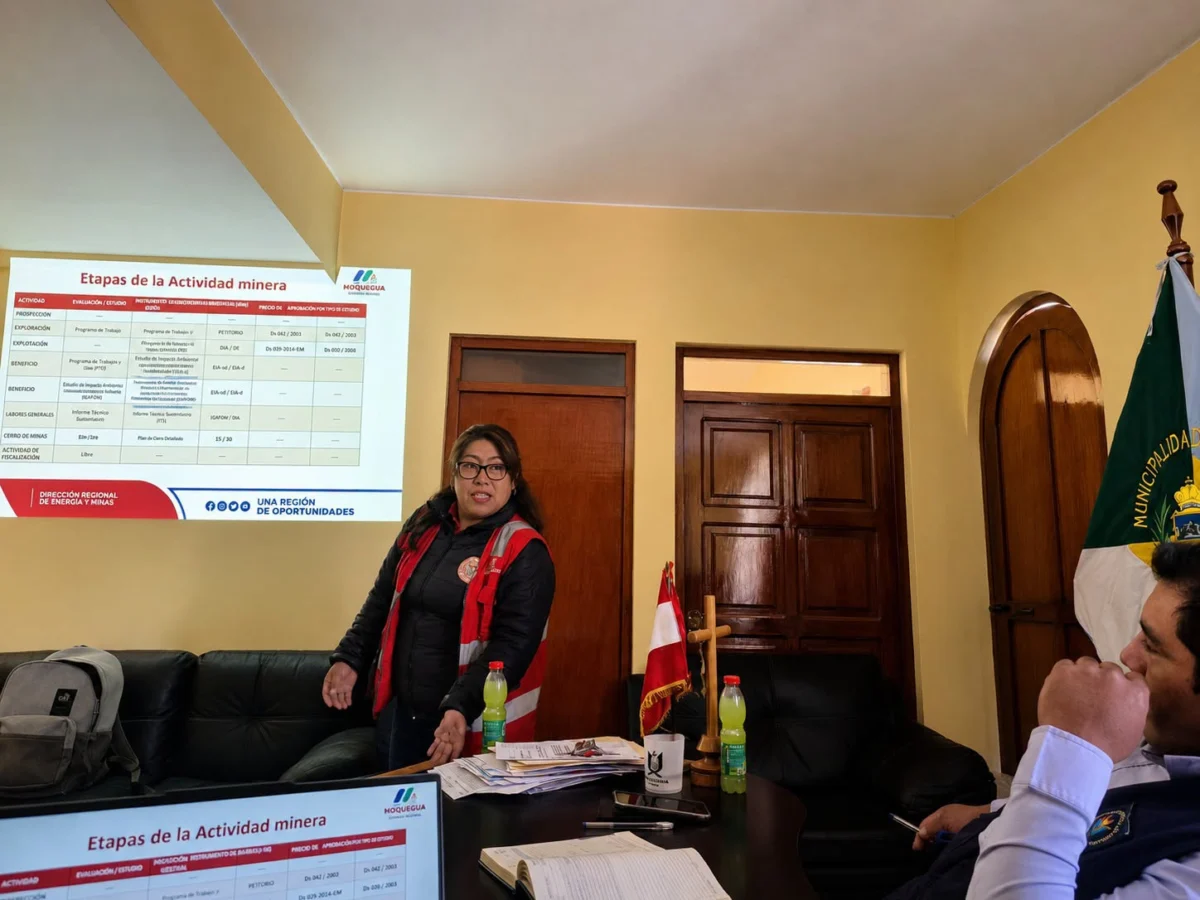
The DREM conducted a working visit to the district of Coalaque, within the province of General Sánchez Cerro, to hold an informative meeting with local leaders. The primary objective of this gathering was to elucidate the administrative procedures associated with the Colquemayo exploration concession, ensuring that all stakeholders are adequately informed and their concerns addressed. This proactive approach signifies a departure from potentially opaque dealings of the past, prioritizing community involvement in projects that could shape the economic and social landscape of the region.
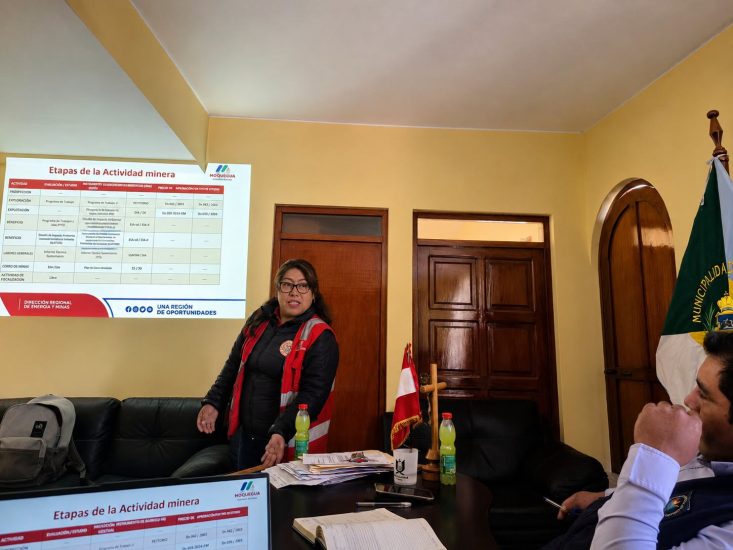
During the meeting, DREM professionals presented a detailed overview of the administrative framework governing exploration concessions. This included outlining the stages, requirements, and regulatory oversight involved in the Colquemayo project. The session was designed to be interactive, allowing local authorities to pose questions and receive comprehensive answers from the technical experts at DREM. The emphasis was on providing clear, technical information within the purview of the DREM’s competencies, fostering an environment of trust and understanding.
The DREM has reiterated its unwavering commitment to fostering robust coordination mechanisms with local authorities. This initiative is seen as a cornerstone of promoting transparent governance and ensuring equitable access to information concerning mining sector procedures. The regional government recognizes that successful and sustainable resource development hinges on the informed consent and active participation of the communities directly impacted by such endeavors.
H2: The Colquemayo Exploration Concession: A Deeper Dive
The Colquemayo exploration concession represents a pivotal project for the Moquegua region, potentially holding significant untapped mineral resources. While the specifics of the mineral targets are not detailed in the initial report, exploration concessions are the foundational step in the mining lifecycle, preceding any potential exploitation activities. This phase involves extensive geological surveys, sampling, and drilling to assess the economic viability of mineral deposits.
The process of obtaining an exploration concession is governed by Peruvian mining law, which mandates rigorous environmental impact assessments, social responsibility plans, and community consultation processes. For a concession like Colquemayo, the DREM plays a critical role in overseeing these procedures, ensuring compliance with national regulations and regional development objectives.
H3: Key Stages of the Exploration Process
The administrative procedure for an exploration concession typically involves several key stages:
- Application and Initial Review: A mining company or entity submits an application for an exploration concession to the DREM, detailing the proposed area, intended exploration activities, and technical expertise. The DREM then conducts an initial review to ensure the application meets all preliminary requirements.
- Public Notification and Opposition Period: Following initial approval, the proposed concession is published, allowing for a period where affected parties, including local communities and other stakeholders, can raise objections or concerns. This is a crucial phase for transparency and community input.
- Environmental and Social Impact Assessments (ESIAs): Before any significant exploration activities can commence, comprehensive ESIAs are mandatory. These studies evaluate the potential environmental impacts and outline mitigation measures, as well as social impacts on local communities. Public hearings are often a part of this process.
- Approval and Granting of the Concession: If all regulatory requirements are met, and any objections are satisfactorily addressed, the DREM grants the exploration concession. This allows the holder to conduct exploration activities for a defined period.
- Reporting and Oversight: Throughout the exploration period, the concession holder is required to submit regular reports to the DREM detailing the progress of their activities and any findings. The DREM maintains oversight to ensure compliance with the terms of the concession and environmental regulations.
The DREM’s current engagement with the Coalaque authorities is directly related to facilitating understanding and providing clarity on these stages as they pertain to Colquemayo.
H2: Chronology of Engagement and Procedural Clarity
The recent working visit to Coalaque by the Regional Government of Moquegua signifies a proactive approach to stakeholder engagement. While the exact date of the initial application for the Colquemayo concession is not provided, the meeting itself marks a critical point in its administrative journey.

Recent Timeline of Events:
- Prior to the Visit: The DREM would have been processing the application for the Colquemayo exploration concession, conducting preliminary reviews and potentially initiating environmental and social studies.
- Working Visit to Coalaque: The DREM, represented by its technical professionals, undertook a direct visit to the district of Coalaque. This demonstrates a commitment to direct communication and addressing local concerns in person.
- Informative Meeting with Local Authorities: The core of the visit was the meeting where DREM officials presented the procedural aspects of the Colquemayo exploration concession. This included detailed explanations of the administrative steps involved.
- Q&A Session: A significant portion of the meeting was dedicated to addressing questions from local authorities. This interactive format is vital for ensuring that all concerns are heard and that the information provided is relevant and understood.
- Reaffirmation of Commitment: Following the meeting, the DREM publicly reiterated its dedication to strengthening coordination with local entities and promoting transparency in mining-related procedures.
This structured approach to communication, moving from administrative processing to direct community engagement, is a positive indicator for the responsible development of the Colquemayo concession.
H2: Supporting Data and Contextual Information
While the provided text focuses on the procedural aspects of the Colquemayo concession, understanding the broader context of Moquegua’s mining sector and the specific characteristics of General Sánchez Cerro province is crucial.
Moquegua’s Mining Landscape:
Moquegua is a region historically rich in mineral resources. It is home to some of Peru’s most significant mining operations, particularly in copper. The presence of large-scale mining has contributed substantially to the regional economy, but it has also brought challenges related to environmental management, social impact, and equitable benefit distribution. The region’s development plans often revolve around leveraging its mineral wealth while striving for sustainable practices and community well-being.
General Sánchez Cerro Province:
General Sánchez Cerro is one of the provinces within the Moquegua region. Its geography often includes mountainous terrain, which can be conducive to mineral exploration. The economic activities in this province, like many in the Andean regions, are often a mix of agriculture, livestock, and increasingly, mining. The implementation of new mining projects in such areas requires careful consideration of existing land use, water resources, and the livelihoods of local populations.
The Importance of Exploration:
Exploration is the first step in the long and often uncertain journey of mineral development. It involves significant investment by companies with no guarantee of discovering economically viable deposits. However, successful exploration can lead to job creation, infrastructure development, and increased revenue for the government and local communities. The DREM’s role in facilitating this initial phase responsibly is paramount.
Regulatory Framework:
Peru has a well-established mining code that governs all aspects of mineral exploration and exploitation. This code aims to balance the interests of investors with the need to protect the environment and ensure social benefits. The DREM acts as the regional implementation arm of this national framework, ensuring that projects adhere to legal requirements and regional development strategies.
H2: Official Responses and Commitment to Transparency
The Regional Directorate of Energy and Mines (DREM) has made its stance clear through its actions and subsequent statements. The working visit and the informative meeting were not merely procedural formalities but a deliberate effort to foster an open dialogue.
Key Official Statements and Actions:
- Proactive Engagement: The DREM’s decision to visit Coalaque and hold a direct meeting with local authorities demonstrates a proactive approach to communication, rather than waiting for issues to arise.
- Technical Expertise: The deployment of DREM professionals to explain the administrative procedures highlights the commitment to providing accurate and technically sound information. This builds credibility and trust.
- Addressing Queries: The dedicated time for questions and answers signifies an open forum for concerns to be voiced and addressed, promoting a two-way flow of information.
- Reiteration of Commitment: The DREM’s reaffirmation of its commitment to strengthening coordination and promoting transparency is a crucial public declaration. This suggests an ongoing effort to maintain these channels of communication and to ensure that the Colquemayo concession, and indeed all mining-related activities, are conducted with the highest standards of integrity.
- Focus on Information Access: The emphasis on "adequate access to information" is particularly important. It implies a willingness to share relevant data and documentation with local communities and authorities, empowering them to understand the implications of the exploration project.
This approach is vital in a sector that has historically faced challenges related to public perception and trust. By prioritizing transparency and engagement, the Moquegua regional government aims to build a foundation for more sustainable and socially accepted mining development.
H2: Implications and Future Outlook
The engagement surrounding the Colquemayo exploration concession carries significant implications for both the Moquegua region and the broader Peruvian mining sector.
H3: For the Moquegua Region:
- Potential Economic Growth: If exploration activities prove successful, the Colquemayo concession could lead to the discovery of valuable mineral deposits, potentially boosting regional economic growth through investment, job creation, and increased tax revenues.
- Strengthened Community Relations: The DREM’s current emphasis on transparent communication and stakeholder engagement could foster more positive and collaborative relationships between the regional government, mining companies, and local communities. This is crucial for the long-term social license to operate.
- Model for Future Projects: The approach taken with Colquemayo could serve as a precedent for future mining exploration and development projects in Moquegua, establishing a benchmark for responsible and inclusive practices.
- Environmental and Social Safeguards: A well-managed exploration process, guided by rigorous environmental and social impact assessments and ongoing community dialogue, is essential to mitigate potential negative impacts and ensure that any development benefits the local population.
H3: For the Peruvian Mining Sector:
- Reinforcing Responsible Mining Practices: Peru is a major global mining player. Initiatives like this, which prioritize transparency and local engagement, contribute to reinforcing the country’s commitment to responsible mining practices on an international stage.
- Addressing Social Conflicts: By proactively engaging with local authorities and providing clear information, the DREM is taking steps to mitigate the risk of social conflicts that have plagued some mining projects in Peru. Informed communities are more likely to understand and potentially support responsible mining ventures.
- Attracting Investment: A regulatory environment that is perceived as transparent, fair, and committed to community well-being can be attractive to responsible mining investors. This approach signals a stable and predictable operating environment.
- Sustainable Development Pathways: The success of the Colquemayo concession, from exploration to potential exploitation, will depend not only on the geological findings but also on the ability of all stakeholders to work collaboratively towards sustainable development that balances economic progress with environmental protection and social equity.
The working visit and the subsequent dialogue represent a positive step forward. The true measure of success will lie in the sustained commitment to these principles of transparency, communication, and inclusive decision-making as the Colquemayo exploration concession progresses through its various stages. The eyes of the region, and indeed the mining sector, will be watching.