The Peruvian government has officially marked a historic milestone for the Madre de Dios region with the signing of a US$ 122.18 million concession contract for the construction and operation of the Puerto Maldonado Wastewater Treatment Plant (PTAR). This ambitious project represents a structural shift in how the Amazonian city manages its water resources, aiming to modernize archaic systems and safeguard the fragile ecosystems of the Tambopata and Madre de Dios rivers.
By addressing critical gaps in infrastructure, the project promises to uplift the standard of living for over 190,000 residents, signaling a decisive move by the Ministry of Housing, Construction, and Sanitation (MVCS) to prioritize public health and environmental sustainability in the country’s southeastern jungle.
Main Facts: A Modern Infrastructure Strategy
The Puerto Maldonado PTAR project is not merely a single facility; it is a comprehensive overhaul of the city’s entire wastewater management network. The scope of the concession covers the urban districts of Puerto Maldonado, Tambopata, and El Triunfo.
Key technical components of the project include:

- Expansion and Rehabilitation: A total of 196 kilometers of collectors will be upgraded. This includes 171 kilometers of secondary collectors and 25 kilometers of primary collectors, replacing aging infrastructure that has struggled to keep pace with the region’s rapid urban growth.
- Residential Connectivity: The project aims to install or renovate up to 25,000 household sewer connections, effectively integrating thousands of families into the formal sanitation grid.
- Operational Efficiency: The system will incorporate seven new pumping stations designed to maintain flow across the city’s varied topography.
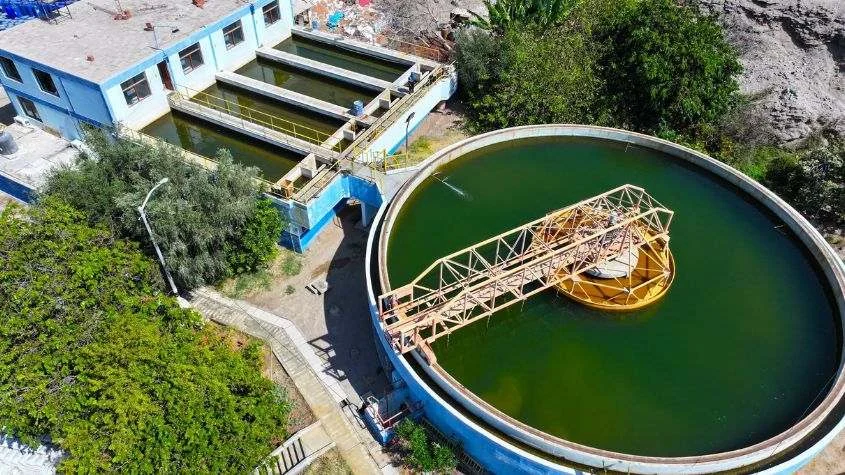
- State-of-the-Art Treatment: The centerpiece is a modern Wastewater Treatment Plant (PTAR) designed with a processing capacity of 400 liters per second. This facility will utilize advanced mechanical and biological processes to ensure that effluent released into the environment meets rigorous safety standards.
Chronology: From Planning to Concession
The realization of this project is the culmination of years of collaborative planning between the MVCS and ProInversión (the Private Investment Promotion Agency).
- Project Structuring: ProInversión conducted extensive technical and financial studies to ensure the viability of the private-public partnership (PPP). The agency focused on creating a sustainable model that could withstand the logistical challenges of the Amazonian climate.
- Bidding and Selection: Following a transparent international bidding process, the concession was awarded to a consortium capable of executing high-complexity civil engineering works in a jungle environment.
- Contract Signing: The official signing of the concession contract in October 2026 formalized the government’s commitment to the project.
- Current Phase: With the contract now signed, the project has entered the crucial phase of final engineering studies and the development of the technical file. This stage is vital for aligning the project’s theoretical blueprints with the geological and hydrological realities of the site.
- Future Execution: Once the technical file is approved, the project will transition into the physical construction phase, which is expected to generate significant local employment and stimulate regional economic activity.
Supporting Data: Why This Project Matters
The urgency of this project is underscored by the current state of sanitation in the Madre de Dios region. For decades, the lack of a centralized, modern treatment system has meant that untreated or poorly treated domestic waste has been discharged directly into the water bodies surrounding the city.
- Environmental Impact: The Tambopata and Madre de Dios rivers are the lifeblood of the region. They serve as primary sources of water for local communities and are central to the biodiversity of the southern Amazon. The introduction of the PTAR will drastically reduce the biological and chemical oxygen demand (BOD/COD) in these rivers, preventing the eutrophication of aquatic ecosystems.
- Public Health Metrics: Epidemiological data in regions with poor sanitation consistently show higher incidences of gastrointestinal and waterborne diseases. By eliminating the risks associated with inadequate wastewater management, the project acts as a preventive health intervention, likely reducing the burden on the regional healthcare system.
- Economic Scale: At US$ 122.18 million, this is one of the most significant infrastructure investments in the history of Puerto Maldonado. The long-term economic benefits—including increased property values, improved public health, and enhanced tourism potential—are projected to far outweigh the initial capital expenditure.
Official Responses: The Government’s Vision
The signing ceremony was attended by high-ranking officials, including the Vice Minister of Construction and Sanitation, Carlos Lezameta. In his address, Lezameta emphasized that this project is a "cornerstone of the government’s strategy to bridge the historical gap in basic services."
"The transformation of Puerto Maldonado’s sanitation system is not just about pipes and concrete; it is about human dignity," Lezameta stated. He noted that the partnership with ProInversión ensures that the project will be managed with the highest standards of technical expertise and fiscal transparency.

The government underscored that the project is designed to be sustainable, meaning that it includes long-term operation and maintenance clauses. This ensures that the infrastructure will not fall into disrepair, a common pitfall for sanitation projects in remote regions. The involvement of private operators under strict performance indicators guarantees that the service quality will be monitored and maintained over the duration of the concession.
Implications: A Sustainable Future for the Amazon
The Puerto Maldonado PTAR project serves as a model for how the Peruvian state intends to approach infrastructure in the Amazon. There are several broader implications for the country:
1. Environmental Stewardship
By prioritizing the protection of the Tambopata and Madre de Dios rivers, the government is signaling that economic development cannot come at the expense of environmental health. This project aligns with international commitments to preserve the Amazon rainforest, demonstrating that modern engineering can coexist with sensitive ecosystems.
2. Standardizing Sanitation Access
The installation of 25,000 household connections is a massive step forward in universalizing basic services. This is a direct contribution to achieving the Sustainable Development Goals (SDGs) set by the United Nations, specifically Goal 6: Clean Water and Sanitation for all.

3. Boosting Investor Confidence
The successful execution of this concession serves as a litmus test for the viability of public-private partnerships in regional Peru. By delivering a project of this scale, the government strengthens its credibility, making it more likely that future investors will participate in subsequent sanitation and infrastructure tenders in other regions of the country.
4. Urban Development and Climate Resilience
Puerto Maldonado is a city in transition, experiencing rapid growth and climate variability. A modern, robust sanitation system is essential for urban resilience. By managing storm water and wastewater effectively, the city will be better prepared to handle extreme weather events, which are becoming more frequent due to climate change.
Conclusion
The US$ 122.18 million Puerto Maldonado PTAR project represents a watershed moment for the Madre de Dios region. Through the synergy of private investment and public planning, the government is moving to replace outdated, fragmented systems with a modern, integrated network that addresses the health, environmental, and infrastructure needs of the population.
As the project moves into the technical design phase, the focus will shift to ensuring that the engineering solutions are as durable as they are efficient. For the 190,000 residents of the region, this project is more than just a public works initiative—it is a promise of a cleaner, safer, and more prosperous future in the heart of the Amazon. With the support of the MVCS and the rigor of the concession model, Puerto Maldonado is set to become a benchmark for sustainable urban sanitation in the Peruvian jungle.