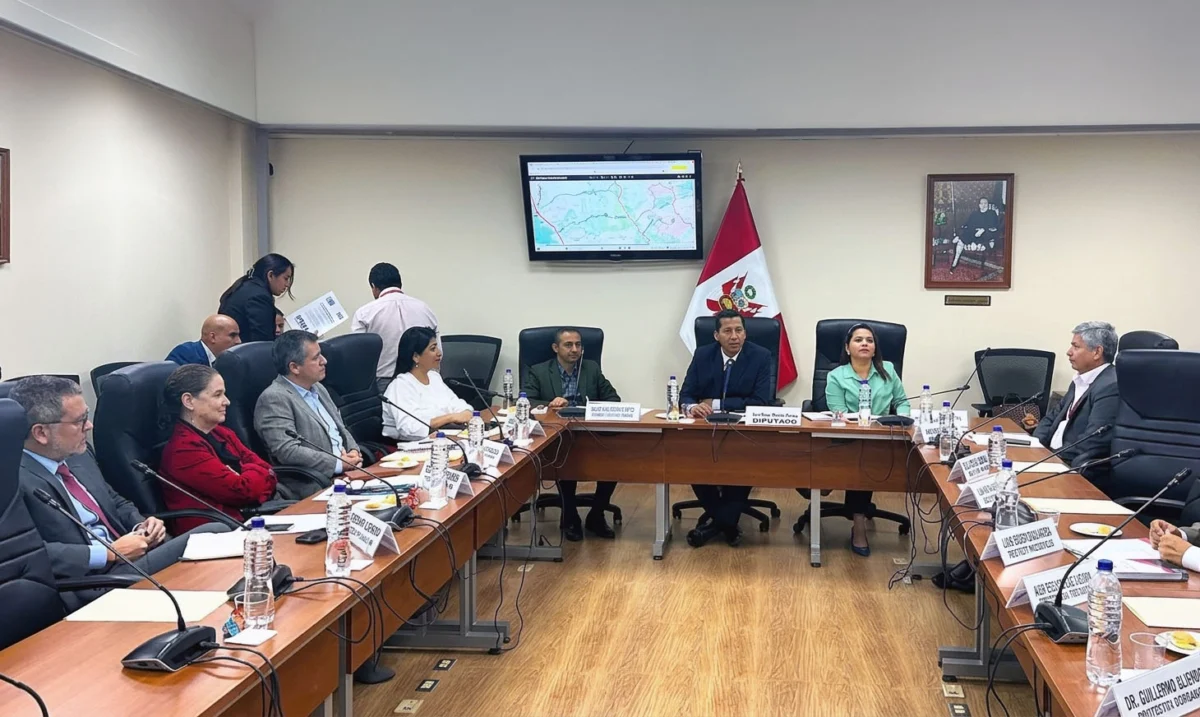
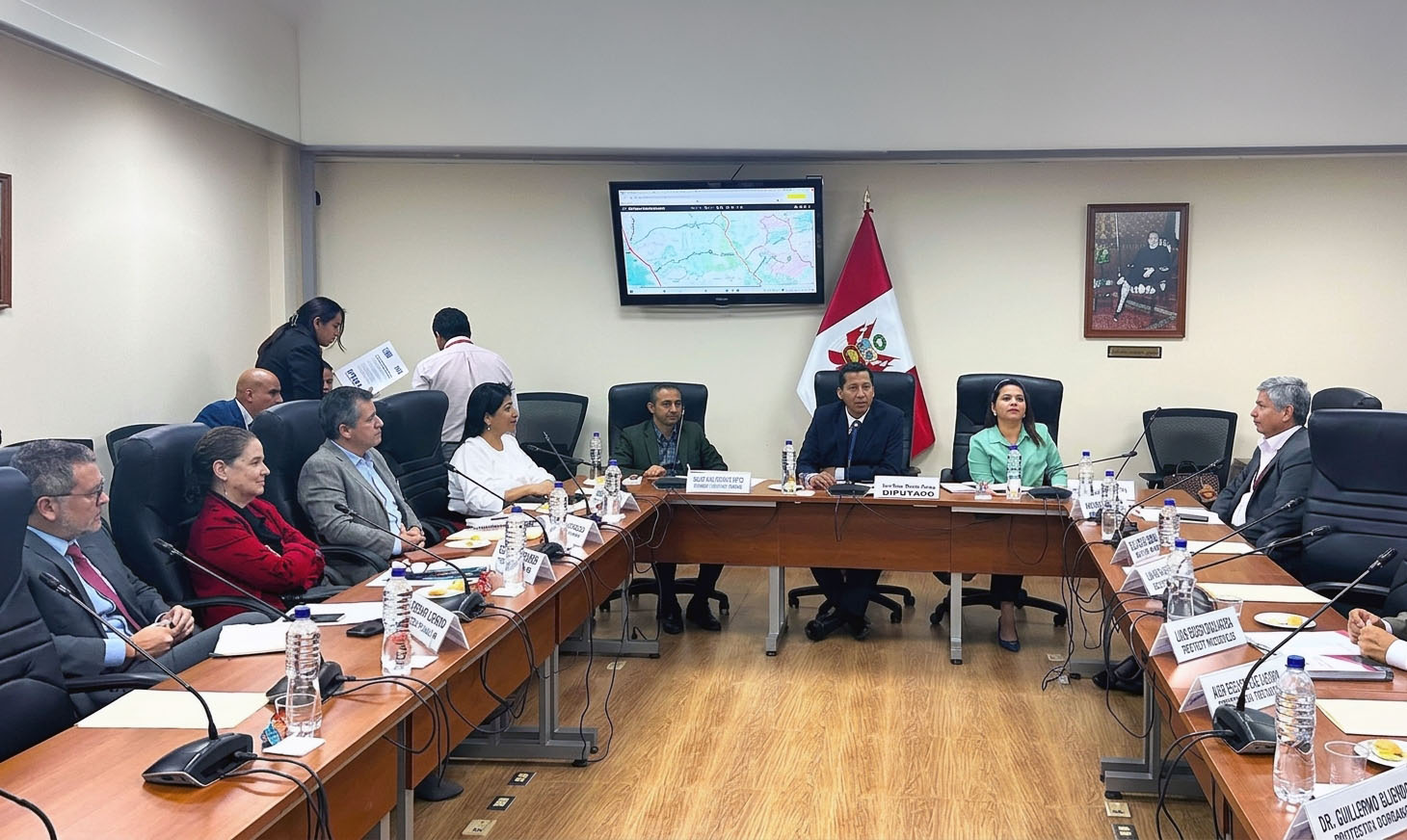
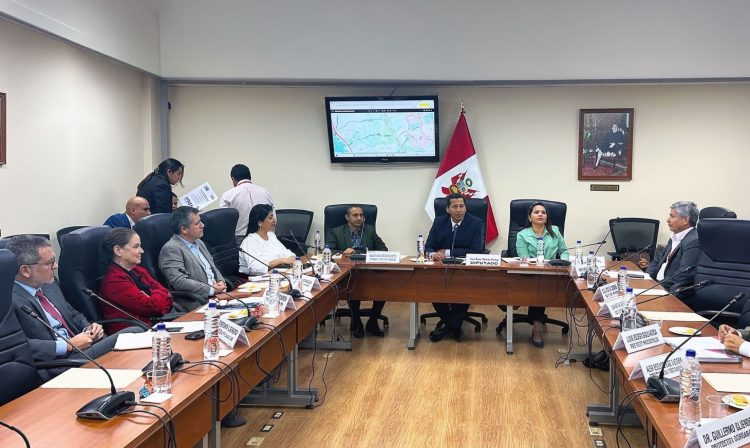
Huaraz, Peru – October 20, 2026 – A pivotal working session convened at the halls of the Congress of the Republic on Tuesday, October 20th, marking a significant stride towards bolstering the vital road infrastructure of the Áncash region. This high-level meeting, orchestrated to foster collaboration and accelerate the development of emblematic road projects, brought together a formidable coalition of national and regional government representatives, public entities, and key private sector players, notably including Compañía Minera Antamina. The collective endeavor underscores a shared commitment to improving connectivity, integrating communities, and unlocking the vast economic potential of Áncash.
The strategic dialogue was spearheaded by Áncash’s own congressional representative, José Marcelo Salazar, and saw the participation of fellow regional deputy María del Carmen Gamarra. They were joined by Áncash Regional Governor, Koki Noriega, Alex Díaz, Executive Director of Provias Nacional, Luis Bazín, Executive Director of Provias Descentralizado, and Denisse Miralles, Director of Decentralized Investments at ProInversión. Representing the formidable presence of Compañía Minera Antamina were Claudia Cooper, Vice President of Sustainability and External Affairs, and César Liendo, Manager of Institutional Relations and Management Systems.
The core of the discussion revolved around the imperative of forging a synergistic alliance between public sector entities and the private sector. This collaboration is deemed essential to drive forward the development, enhancement, and sustained maintenance of Áncash’s road network. The overarching objective is to create a robust infrastructure that not only facilitates the movement of goods and people but also serves as a catalyst for socio-economic progress across the diverse landscapes of the region, from its coastal plains to its Andean highlands and the remote Conchucos zone.
Key Agreements and Strategic Pathways Forward
The working session culminated in a series of concrete agreements designed to imbue the road development agenda with momentum and accountability. A central tenet of these accords is the establishment of regular follow-up sessions. These periodic meetings will serve as critical platforms for meticulously reviewing the progress of ongoing road projects, ensuring transparency and proactive problem-solving. Furthermore, the participants committed to a thorough analysis of strategic initiatives that can be effectively implemented through various investment modalities. This includes a concerted effort to explore innovative financing mechanisms and project execution frameworks.
A particularly significant outcome of the dialogue was the commitment to develop a sustainable mechanism for the upkeep of public roads that have already achieved technical viability. This forward-looking approach recognizes that the long-term success of infrastructure investments hinges on their continuous maintenance. To this end, the exploration of alternative models, such as Public-Private Partnerships (PPPs), was highlighted as a promising avenue. PPPs offer a framework for shared responsibility, leveraging private sector expertise and financial capacity to ensure the enduring quality and functionality of critical transportation arteries.
Claudia Cooper, Vice President of Sustainability and External Affairs at Antamina, articulated the company’s perspective on the crucial need to fortify Áncash’s road infrastructure. She emphasized that improving connectivity, particularly in linking the coast, the eastern slopes (vertientes), and the Conchucos area, is paramount for fostering territorial integration. This integration, she noted, is not merely about physical connections but about creating the foundational conditions necessary for the sustained development and prosperity of all communities within the region.
Antamina’s Commitment to Regional Connectivity
Compañía Minera Antamina’s active participation in this high-level dialogue underscores its deep-seated commitment to the holistic development of the Áncash region. Beyond its core mining operations, the company has consistently recognized the profound impact of robust infrastructure on community well-being and economic vitality. Through its engagement in these strategic forums, Antamina is actively contributing to shaping a connectivity agenda that is both ambitious and grounded in practical, collaborative action.
The company’s involvement signifies a proactive stance in partnering with competent authorities and local stakeholders to identify needs, champion solutions, and contribute to the realization of transformative road projects. This approach aligns with Antamina’s broader corporate social responsibility framework, which prioritizes sustainable development and the enhancement of living standards for the communities in its operational sphere.
Five Pillars of Regional Connectivity: A Strategic Vision
While the original article did not specify the exact five road axes, Antamina’s involvement in such initiatives typically centers on projects that address critical connectivity gaps and unlock regional potential. Based on the company’s operational footprint and the stated objectives of improved integration, these five axes likely represent strategic corridors designed to:
- Enhance Access to Key Economic Zones: Projects focused on improving access to mining areas, agricultural zones, and burgeoning industrial parks. This would facilitate the efficient transport of raw materials, finished goods, and labor, thereby boosting economic activity and creating employment opportunities.
- Connect Remote Communities: Investments aimed at linking isolated communities to regional centers, markets, and essential services. This includes improving access to healthcare, education, and social programs, thereby fostering social inclusion and improving the quality of life for all residents.
- Facilitate Inter-Regional Trade and Tourism: Development of routes that connect Áncash to neighboring regions and key national transportation networks. This would stimulate inter-regional trade, open new markets for local products, and promote tourism by making the region more accessible to visitors.
- Improve Emergency Response and Disaster Resilience: Strengthening road networks in vulnerable areas to ensure swift access for emergency services during natural disasters and to facilitate relief efforts. This contributes to building a more resilient region capable of mitigating the impacts of climate change and seismic activity.
- Support Sustainable Resource Management: Creating infrastructure that enables responsible and efficient transportation of resources while minimizing environmental impact. This could include roads that facilitate access for sustainable forestry, ecotourism, and other environmentally conscious economic activities.
Antamina’s proactive engagement in defining and advancing these critical road axes demonstrates a forward-thinking strategy that extends beyond immediate operational needs. It reflects a deep understanding that sustainable mining operations are intrinsically linked to the overall health and prosperity of the surrounding region.
Broader Implications for Áncash’s Development Trajectory
The collaborative spirit and concrete agreements emerging from this working session hold profound implications for the future of Áncash. The focus on improving road infrastructure is not merely about paving roads; it is about laying the groundwork for comprehensive regional development. Enhanced connectivity acts as a powerful multiplier effect, stimulating a cascade of positive outcomes:
- Economic Diversification: Improved transportation networks make it easier and cheaper to move goods, thereby encouraging investment in sectors beyond mining, such as agriculture, tourism, and manufacturing. This can lead to a more diversified and resilient regional economy.
- Job Creation: The construction and maintenance of road projects themselves generate significant employment opportunities. Furthermore, improved infrastructure attracts new businesses and expands existing ones, leading to further job creation in various sectors.
- Increased Competitiveness: A region with efficient transportation links is more competitive in attracting investment and participating in national and international markets. This can translate into higher incomes and greater economic prosperity for its residents.
- Social Integration and Equity: By connecting remote communities, these projects reduce isolation, improve access to essential services like healthcare and education, and foster a greater sense of national and regional belonging. This promotes social equity and reduces disparities.
- Tourism Potential Unleashed: Áncash is blessed with breathtaking natural beauty and rich cultural heritage. Improved road access is a critical prerequisite for unlocking its full tourism potential, attracting visitors, and generating revenue that benefits local communities.
- Enhanced Resilience: Robust infrastructure, particularly in mountainous and seismically active regions like Áncash, is vital for effective disaster response and for building resilience against the impacts of climate change.
The strategic alignment witnessed between the national government, regional authorities, and a key private sector entity like Antamina represents a powerful model for addressing complex development challenges. By pooling resources, expertise, and political will, this collaborative approach is poised to accelerate the realization of Áncash’s infrastructural aspirations, paving the way for a more connected, prosperous, and equitable future for its people. The commitment to periodic follow-ups and the exploration of innovative financing mechanisms, such as PPPs, signal a mature and pragmatic approach to long-term infrastructure stewardship. This working session serves as a testament to what can be achieved when diverse stakeholders unite behind a common vision for regional progress.