The Peruvian government faces a significant political setback as the Legislative branch restricts the administration’s capacity to enact structural changes, sparking a wave of frustration among Cabinet ministers.
In a development that has sent ripples through the corridors of power in Lima, the relationship between the Executive branch and the Peruvian Congress has reached a tense impasse. Following a formal request for legislative faculties—powers that would have allowed the government to enact urgent reforms via decree—the Legislative branch granted only a fraction of the requested authority. This decision has been met with sharp criticism from key ministers, who argue that the obstructionism displayed by lawmakers is stifling the country’s economic recovery and hindering the government’s ability to respond to critical environmental and social challenges.
The Scope of the Legislative Request
The conflict centers on a request made by the Executive branch for 66 specific legislative measures. These proposals were designed to address long-standing inefficiencies in the nation’s public investment framework, labor regulations, and support systems for micro and small enterprises (mypes).
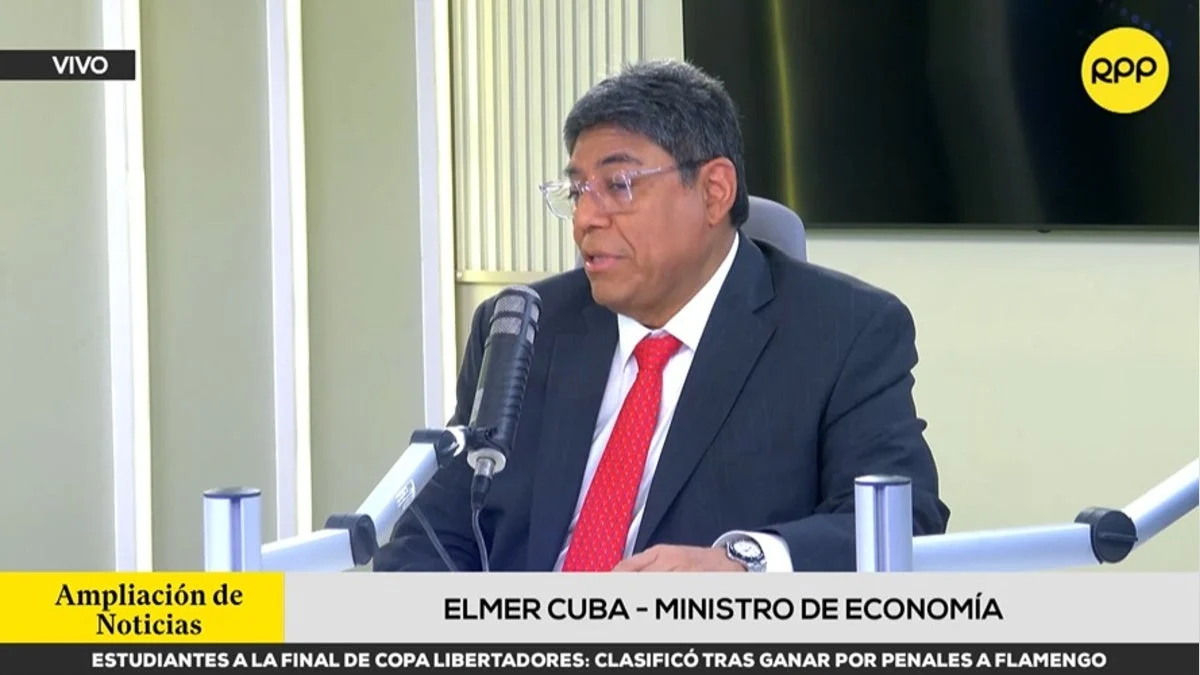
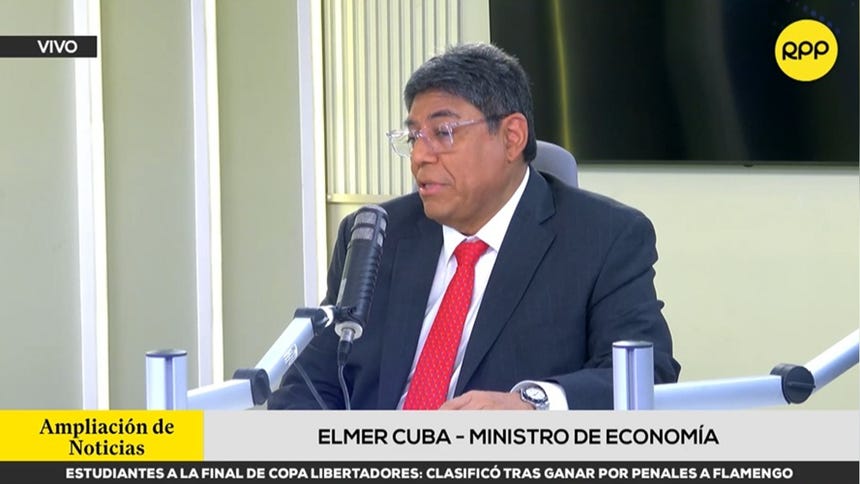
However, in what Minister of Economy and Finance Elmer Cuba described as a "slap in the face to the government," the Congress approved only 27 of the 66 requested points. This rejection represents a significant departure from the historical norm in 21st-century Peruvian politics, where incoming administrations have traditionally enjoyed the support of the Legislature to implement their initial reform agendas.
Chronology of the Disagreement
The tension has been building over several weeks as the Executive presented its roadmap for economic reactivation.
- Initial Proposal: The government submitted its comprehensive request for 66 legislative faculties, framing them as essential tools to mitigate the impacts of the El Niño phenomenon and to stimulate the stagnant economy.
- Legislative Review: Over the subsequent sessions, internal debates within the Congress led to a drastic pruning of the requests. Opposition leaders cited concerns over the breadth of the powers granted to the Executive, leading to a fragmented approval process.
- The "Portazo" (The Slammed Door): The final vote, which resulted in the approval of only one-third of the requested measures, effectively halted the government’s plan for immediate action.
- Public Outcry: Following the vote, high-ranking officials took to the airwaves to express their deep dissatisfaction, labeling the move as a failure to prioritize national interest over partisan politics.
Economic Implications: The Cost of Inaction
According to Minister Elmer Cuba, the implications of this legislative stalemate are far-reaching. The rejected proposals were not merely bureaucratic requests; they were cornerstones of an economic recovery plan.
"We requested these faculties not for the sake of power, but for the sake of the country," Cuba stated in an interview. "The rejection of these measures, particularly those involving labor and tax flexibility for small businesses, alongside the stalled efforts to agilize public investment, leaves the government in a position where we must take the ‘long road.’"
The "long road" refers to the requirement that the Executive must now submit individual bills to Congress for each rejected measure. This is a significantly slower process that subjects each policy to the full parliamentary debate cycle, delaying implementation by months—or even years—in an economy that is already facing headwinds.
Ministerial Backlash: Vinelli and the Crisis of Governance
The Minister of Agrarian Development and Irrigation, Marco Vinelli, has joined the chorus of dissent, expressing "great dissatisfaction" with the conduct of the Legislative branch. For Vinelli, the impact of the legislative refusal is tangible, particularly in the agricultural sector.
The Water Crisis and Resource Management
One of the most critical points highlighted by Vinelli is the urgent need to modify the Law of Water Resources. "We are facing the El Niño phenomenon," Vinelli explained. "We are witnessing intense rainfall in the coastal regions while simultaneously dealing with a severe drought and water deficit in the Andean and Amazonian regions. We proposed a legal framework to allow for the faster transfer and allocation of water resources to farmers. The Legislature’s refusal to grant these faculties directly impairs our ability to safeguard agricultural productivity."
The Property Title Bottleneck
Beyond water, the issue of formalization remains a primary concern for the Ministry of Agrarian Development. The government had aimed to simplify the administrative processes for obtaining property titles, which currently can take upwards of 400 days to complete. The proposal sought to compress this timeline to just 90 days.
"The population demands property titles as a fundamental right," Vinelli noted. "By denying us the power to simplify these procedures, the Congress has essentially told millions of citizens that their wait must continue."
Implications for the Future of the Administration
The current rift between the Executive and the Legislature raises serious questions about the stability of the governance model for the remainder of the term. The Cabinet, led by the President, must now navigate a political landscape where they possess limited tools to govern by decree.
Shift in Legislative Strategy
The government’s immediate plan of action involves two tracks:
- Execution of Approved Measures: The Council of Ministers is currently finalizing the legislative decrees based on the 27 approved points, ensuring that at least the limited scope provided is utilized to the fullest extent.
- Renewed Parliamentary Engagement: The Executive has signaled its intent to return to Congress with the rejected proposals as formal bills. This strategy aims to force a public debate on the merits of each specific proposal, potentially pressuring individual lawmakers to justify their opposition to reforms that are widely viewed as necessary for national development.
The Public Perception and Political Accountability
Political analysts suggest that the "obstructionist" label used by Minister Cuba is a calculated attempt to shift the burden of responsibility back to the Legislative branch. By framing the rejected faculties as a "portazo" against the people, the Executive is attempting to align public sentiment with the administration’s frustration.
However, the opposition in Congress argues that they are fulfilling their constitutional duty of oversight. They contend that granting blanket powers to the Executive poses a risk to democratic checks and balances. The conflict, therefore, is not merely about specific policies but touches upon the core of the constitutional relationship between these two branches of government.
Conclusion: A Difficult Road Ahead
The path forward is fraught with uncertainty. With the upcoming session of the Council of Ministers, the government is expected to re-evaluate its relationship with the legislative coalition. Whether this will lead to a new era of negotiation or a continuation of the current gridlock remains to be seen.
As the country continues to grapple with the dual threats of economic instability and the environmental challenges posed by El Niño, the need for a cohesive, functioning relationship between the Executive and the Legislative branches has never been more pressing. For now, the administration is left to grapple with the consequences of a significantly weakened legislative mandate, forced to fight for every policy reform in a theater that has proven increasingly hostile to its vision for the nation.
The coming weeks will be critical. If the government fails to convince the Legislature to adopt the rejected reforms through the standard bill-introduction process, the administration may find itself paralyzed, unable to fulfill the promises made during its transition period. The battle for the "faculties" is, in reality, a battle for the governance of Peru in the 21st century.