Executive Summary: A Legislative "Cold Shoulder"
In a significant political and economic development, the Minister of Economy and Finance, Elmer Cuba, has publicly rebuked the Peruvian Congress for its decision to reject critical components of the Executive’s legislative agenda. The point of contention lies in the refusal of the legislative branch to grant the administration of President Keiko Fujimori the broad facultative powers requested to overhaul the nation’s labor and tax frameworks.
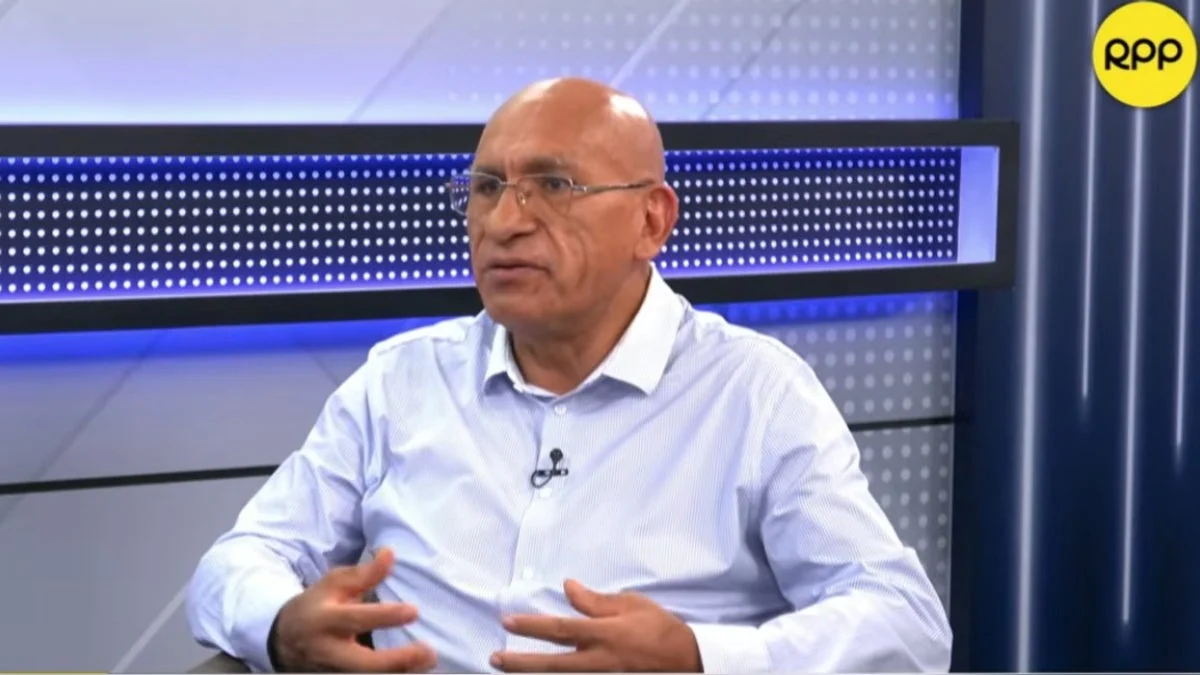
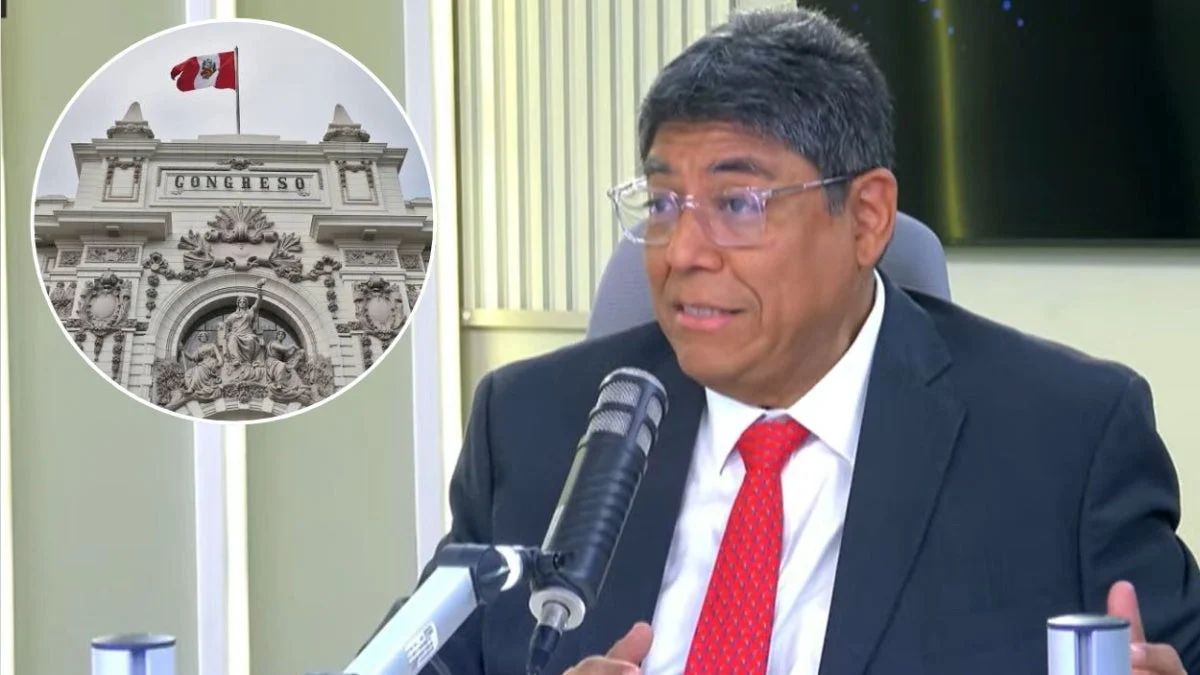
Minister Cuba, in a candid interview with RPP’s Ampliación de Noticias, characterized the Congressional response as a "door slamming in the face" of a government that had received a clear mandate to govern. Of the 66 legislative measures requested by the Executive to stimulate the economy, the Congress granted authorization for only approximately one-third. Notably, every proposal tied directly to structural economic reform—specifically targeting the country’s entrenched informal economy—was excluded from the final package.
Chronology of the Legislative Impasse
The tension between the two branches of government did not emerge in a vacuum; it is the culmination of a weeks-long debate regarding the scope of executive authority.
- The Proposal: Following the inauguration, the Executive branch submitted a comprehensive package of 66 legislative requests. These were designed to provide the Ministry of Economy and Finance (MEF) with the legal agility to bypass lengthy bureaucratic processes and implement immediate structural adjustments.
- The Deliberation: Throughout the review process, the Parliamentary committees signaled skepticism regarding the breadth of the powers requested. While proponents of the administration argued that these powers were essential for economic revitalization, opposition factions in Congress voiced concerns over the potential concentration of power and the lack of oversight.
- The Vote: The final vote, which occurred recently, saw a decisive pruning of the government’s request. The legislature authorized only the administrative and non-economic portions of the package, effectively stripping the Executive of its proposed "economic toolkit."
- The Aftermath: Following the announcement of the vote, Minister Cuba expressed profound disappointment, emphasizing that the failure to act on economic reforms could have long-term consequences for the nation’s growth trajectory.
The Structural Burden: A Deep Dive into Informal Labor
The cornerstone of Minister Cuba’s critique lies in the stark data surrounding Peru’s labor market. According to the MEF, informal employment remains the most significant structural barrier to the country’s development, currently affecting nearly 70% of the total workforce.
The Micro-Enterprise Crisis
The data provided by the Ministry paints a grim picture of the disparity between enterprise sizes:
- Micro-enterprises: These entities, which constitute the backbone of the domestic economy, operate with an staggering 90% informality rate.
- Small enterprises: The informality rate remains high, at approximately 50%.
- Medium and Large Corporations: In stark contrast, these organizations operate with a significantly higher level of formalization, with informality hovering around 20%.
Minister Cuba argues that this bifurcation is not merely a result of bad business practices, but a symptom of a regulatory and tax environment that penalizes growth. Current regimes—such as the Nuevo Régimen Único Simplificado (Nuevo RUS) and the Régimen Especial de Renta (RER)—have, in the view of the MEF, become "traps" rather than bridges to formalization. The Executive sought to recalibrate these regimes to provide a smoother, more incentivized path for micro-businesses to enter the formal economy, thereby expanding the tax base and providing social protections to millions of currently unprotected workers.
Official Responses and Political Implications
The Minister’s remarks have ignited a fierce debate regarding the separation of powers and the efficiency of the Peruvian state.
The Executive’s Stance: "It is Not a Game"
Minister Cuba’s tone has been one of urgency. He stressed that the government is not seeking power for its own sake, but as a tool to honor its campaign promises. "We are talking about the Government of Peru that has won an election, saying to Congress, ‘I want to do this, help me,’ and they have given us a door in the face," Cuba stated. The Executive believes that without these legislative powers, the government’s ability to "accelerate the reforms that the country needs" is severely crippled.
The Legislative Perspective: Checks and Balances
While the specific parliamentary rebuttals were not detailed in the Minister’s interview, the legislative branch has historically maintained that granting broad facultative powers undermines the essential role of Congress as a deliberative body. By limiting the scope of the delegation, lawmakers argued they were exercising their constitutional duty to oversee and vet every proposed change to the country’s tax code and labor laws.
The Macroeconomic Context: Growth vs. Risk
The rejection of the reforms comes at a precarious time for the Peruvian economy. Minister Cuba highlighted that the MEF’s primary objective remains the preservation of growth and the stimulation of private investment. However, the external and environmental risks are mounting.
The Threat of El Niño
Beyond the legislative deadlock, the Ministry is acutely aware of the looming threat of the El Niño phenomenon. This climate pattern carries the potential to devastate agricultural output, damage infrastructure, and disrupt supply chains, all of which would put downward pressure on the GDP. The proposed economic reforms were intended, in part, to create a more resilient economic foundation capable of weathering such exogenous shocks.
The Path Forward: Can Growth Be Maintained?
Despite the setback, Minister Cuba signaled that the MEF would not abandon its goals. The Ministry remains committed to:
- Promoting Investment: Seeking alternative, non-legislative ways to attract capital.
- Generating Employment: Working within the existing framework to incentivize hiring, even if the preferred mechanisms for simplification are currently off the table.
- Poverty Reduction: Maintaining the government’s commitment to social programs, though acknowledging that without structural economic reform, the revenue required to sustain these programs could be at risk.
Conclusion: A Nation at a Crossroads
The standoff between the Ministry of Economy and Finance and the Congress highlights a broader systemic issue in Peruvian politics: the difficulty of implementing structural reform in a fractured political landscape. While the Congress maintains that it is protecting the integrity of the legislative process, the Executive branch warns that the "cost of inaction" is being paid by the 70% of the population trapped in the informal sector.
As the administration of President Fujimori navigates this new reality, the focus will likely shift toward finding common ground on a bill-by-bill basis. However, the window for sweeping reform is narrowing, and the economic indicators suggest that the status quo may not be sufficient to propel Peru toward its development goals. For now, the "door" remains closed, and the government must find a way to navigate around the barricades to deliver on its promise of economic transformation.