Executive Summary: The Currency Landscape
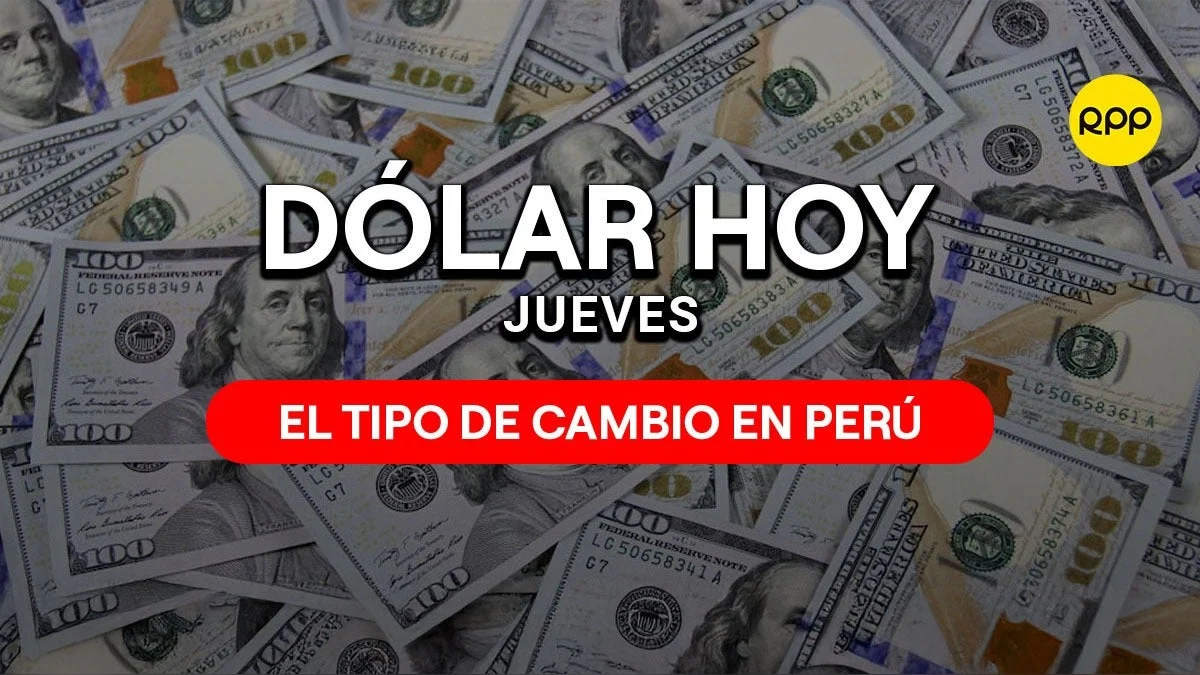
On Thursday, October 22, the Peruvian financial landscape saw the U.S. dollar register a notable uptick, closing at S/3.45. According to data provided by the Central Reserve Bank of Peru (BCRP), this represents a 0.29% appreciation against the sol. While this fluctuation may appear marginal in the broader scope of macroeconomic history, it serves as a critical indicator of the current pressures facing the Peruvian economy.
For the average citizen, this shift is not merely a number on a screen; it represents a tangible adjustment in purchasing power. As the dollar strengthens, the cost of importing goods—from essential food supplies to advanced technological equipment—tends to rise. This article explores the mechanics behind this movement, the pivotal role of the BCRP, and the wider implications for the Peruvian marketplace.
Chronology of Market Dynamics
To understand the current standing of the sol, one must look at the recent trajectory of the currency. Throughout the third quarter, the Peruvian sol had maintained a relative period of stability, buoyed by favorable trade balances and steady commodity prices. However, as October progressed, external shocks and domestic fiscal uncertainties began to exert upward pressure on the greenback.
- Early October: The exchange rate showed signs of volatility as investors began monitoring global interest rate trends and domestic political discourse.
- Mid-October: The dollar oscillated within a tight range, with the BCRP intervening intermittently to prevent speculative spikes.
- October 22: The market opened with renewed demand for foreign currency. By the closing bell, the 0.29% appreciation confirmed that market participants were leaning toward a more defensive position, prioritizing the liquidity and safety of the U.S. dollar.
Supporting Data: Why the Dollar Matters
The relationship between the sol and the dollar is the lifeblood of Peru’s import-dependent economy. When the dollar rises, the "Pass-Through Effect"—the speed and degree at which exchange rate changes are transmitted to consumer prices—becomes the primary concern for economists.
The Import Burden
Peru relies heavily on imported goods. Key sectors affected by this 0.29% increase include:
- Technology: Computers, smartphones, and telecommunications infrastructure are priced in dollars. Retailers, facing higher acquisition costs, are often forced to pass these expenses to consumers.
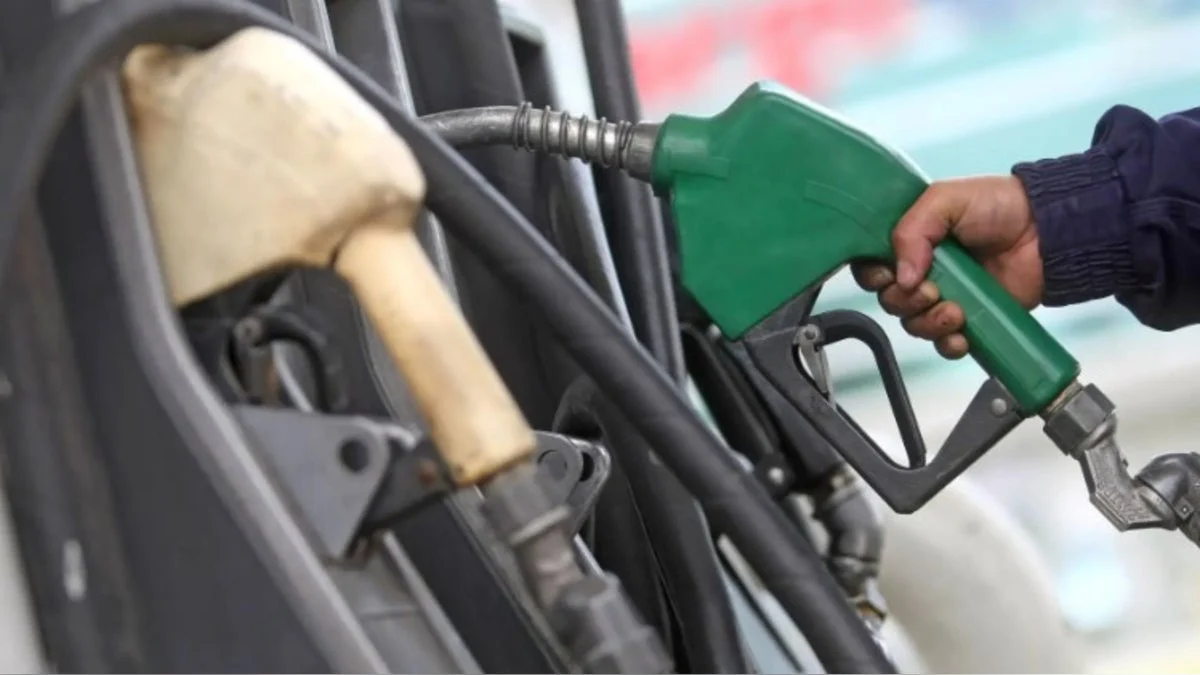
- Energy and Fuel: As a net importer of fuel, Peru’s transportation and logistics costs are highly sensitive to the dollar exchange rate. Higher fuel costs inevitably ripple through the supply chain, increasing the price of domestic produce and goods.
- Agriculture and Food: Many essential fertilizers and processed food products are imported. A stronger dollar effectively increases the cost of living for middle- and lower-income families.
Financial Sector Sensitivity
Beyond consumer goods, the Peruvian financial system carries a significant amount of "dollarization." Many long-term mortgages, car loans, and business credits are denominated in U.S. dollars, while salaries are primarily paid in soles. A persistent upward trend in the dollar increases the debt-service burden for households, potentially dampening consumer spending and domestic growth.
The Role of the Central Reserve Bank of Peru (BCRP)
The BCRP stands as the primary guardian of Peru’s macroeconomic stability. Under the framework of "Inflation Targeting," the bank maintains a clear mandate to ensure that currency volatility does not translate into uncontrollable inflation.
Mechanics of Intervention
The BCRP does not attempt to "fix" the price of the dollar, as it operates under a floating exchange rate regime. Instead, it utilizes a "managed float." If the bank detects that the currency is moving too rapidly or that market panic is driving the price, it intervenes in the spot market.
- Selling Dollars: When the sol is under excessive pressure, the BCRP sells dollars from its international reserves to increase supply, thereby cooling the price.
- Buying Dollars: Conversely, if the sol appreciates too quickly—which could hurt the competitiveness of Peruvian exports—the BCRP enters the market to buy dollars, effectively building a buffer for the country.
Ensuring Market Confidence
The BCRP’s intervention on October 22 was not just about the S/3.45 price point; it was about signaling stability. By maintaining a robust presence in the market, the bank prevents speculative bubbles. This proactive stance is the reason why Peru has historically maintained one of the most stable currencies in the Latin American region, fostering investor confidence even during periods of global turmoil.
Implications for the Peruvian Economy
The rise of the dollar to S/3.45 carries implications that extend across various tiers of society and industry.
For the Consumer
The immediate impact is inflationary pressure. While a 0.29% daily change is manageable, a sustained trend forces households to re-evaluate their monthly budgets. Families may find that their discretionary income is reduced as more soles are required to purchase the same basket of imported goods.
For the Business Community
Companies that operate on thin margins and rely on imported raw materials face a difficult choice: absorb the cost and sacrifice profitability, or raise prices and risk losing market share. Furthermore, businesses with dollar-denominated debt must navigate increased financial costs, which can constrain capital expenditure and investment in expansion.
For Macroeconomic Strategy
The Ministry of Economy and Finance, in coordination with the BCRP, must balance the need for a competitive currency against the need to keep inflation within the target range (typically 1% to 3%). If the dollar continues to climb, it may trigger a shift in monetary policy, potentially influencing interest rate decisions to keep the sol attractive to investors.
Conclusion: Navigating the Uncertainty
The closing rate of S/3.45 on October 22 is a reflection of the intricate balance between global economic headwinds and local fiscal realities. While the BCRP continues to perform its duty of ensuring stability and preventing extreme volatility, the citizens and businesses of Peru remain at the mercy of broader international trends.
Moving forward, the focus will remain on the BCRP’s policy responses and the global economic outlook. As Peru navigates these fluctuations, the key to resilience will be the continued institutional strength of its central bank and the adaptability of its domestic market. While the dollar may hold the upper hand in the short term, the structural health of the Peruvian economy remains the ultimate factor in determining the long-term value of the sol.
For the average Peruvian, staying informed about these shifts is essential. Whether it is adjusting personal savings strategies or understanding the reasons behind price fluctuations at the local market, financial literacy remains a vital tool in weathering the periodic storms of the foreign exchange market. The path ahead requires vigilance, but the established mechanisms for economic management provide a solid foundation for stability in the face of ongoing global financial uncertainty.