By Financial News Desk
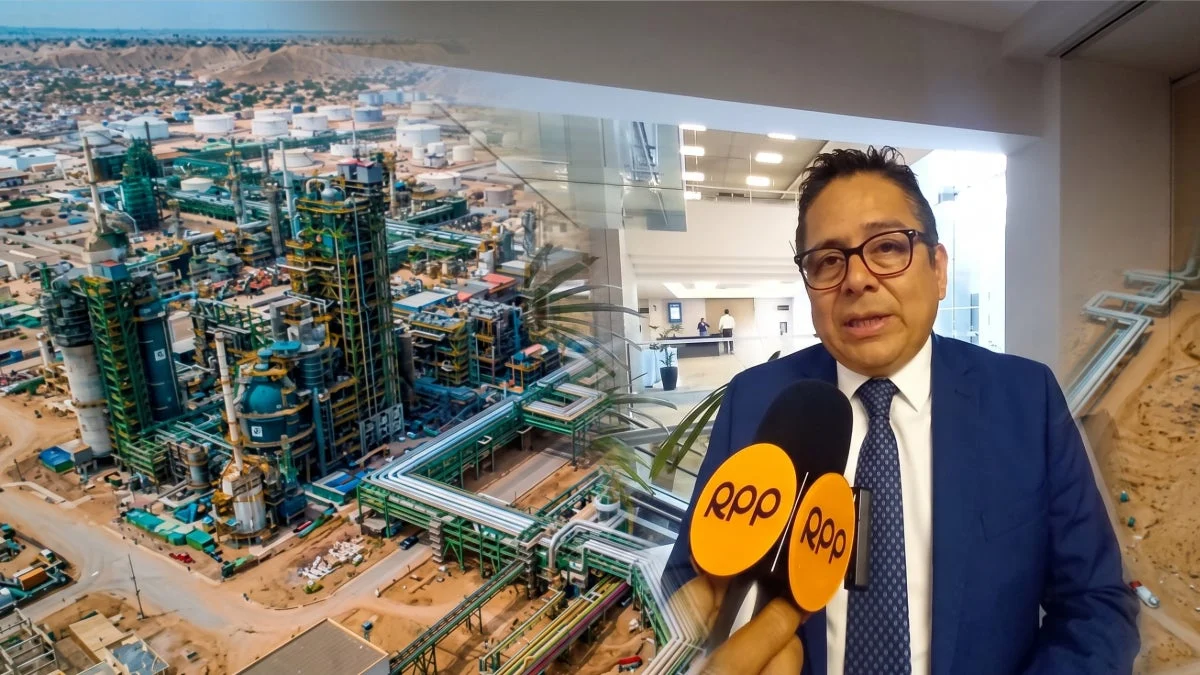
In a pivotal announcement that marks a potential turning point for the Peruvian financial sector, the Superintendent of the Superintendency of Banking, Insurance, and Private Pension Fund Administrators (SBS), Sergio Espinosa, has signaled a transformative phase for the country’s pension landscape. Speaking at the prestigious Banking & Finance Summit 2026, Espinosa unveiled a two-pronged strategy: the introduction of a new regulatory framework by November to diversify AFP offerings, and a conditional roadmap for the entry of new market competitors by 2027.
However, this vision of modernization comes with a stern caveat. The regulator warned that the viability of the private pension system rests heavily on a cessation of the extraordinary fund withdrawals that have characterized the last several years.
The Strategic Shift: New Products and Market Competition
The SBS is preparing to issue a new normative framework this November, aimed at empowering Private Pension Fund Administrators (AFPs) to offer a broader, more flexible range of products to their affiliates. This move is designed to modernize the industry, shifting the perception of AFPs from mere retirement savings repositories to dynamic financial partners capable of meeting diverse lifecycle needs.
The 2027 Horizon for New Players
Superintendent Espinosa explicitly stated that the private pension system is poised to welcome new competitors as early as 2027. The entry of new actors is seen as a critical mechanism to stimulate competition, potentially lower commissions, and improve the quality of services offered to millions of Peruvians.
"If the next year remains free from further AFP withdrawals, I believe we will see the entry of new competitors," Espinosa remarked. He emphasized that the regulatory environment is being calibrated to encourage transparency and long-term stability, two factors that are currently at odds with the frequent legislative interruptions observed in recent years.
A Chronology of Instability: The Withdrawal Era
To understand the weight of the Superintendent’s warnings, one must look back at the last half-decade of Peruvian pension policy.

- 2020: The Pandemic Trigger: Following the onset of COVID-19, the Peruvian Congress authorized the first of several extraordinary withdrawals. This was framed as a necessity for economic survival during the national lockdown.
- 2021–2023: The Cycle of Recurring Withdrawals: Despite initial relief goals, the practice became a political trend. Successive legislative motions allowed affiliates to tap into their future savings, significantly reducing the total assets under management (AUM).
- 2024: The Pension Reform Debate: The government intensified efforts to formalize a systemic pension reform, aiming to curb the ability of the legislature to authorize arbitrary withdrawals, which the SBS argues fundamentally undermines the nature of the pension system.
- Late 2026: The Current Standoff: With new proposals currently circulating in the bicameral Congress—such as the recent push for a S/ 22,000 withdrawal linked to climate-related damages (El Niño)—the tension between the executive branch and the legislative branch has reached a critical juncture.
Supporting Data: Why "Funds" Are Necessary for "Funds"
The logic presented by the SBS is fundamentally rooted in the economics of asset management. A pension system functions on the principle of long-term capital accumulation and compound interest. When significant portions of these funds are withdrawn in the short term, the very mechanism that generates retirement security is eroded.
The Impact on Market Attractiveness
Espinosa’s core argument is that of market incentives. For a global or local financial institution to consider entering the Peruvian pension market, they require a predictable environment.
- Scale and Predictability: An administrator requires a stable pool of assets to invest effectively. Constant outflows force managers to maintain higher levels of liquidity, which in turn limits their ability to invest in long-term infrastructure projects or diversified equities.
- Operational Risk: Frequent changes to withdrawal laws create significant administrative burdens and technological costs, which are ultimately borne by the affiliates.
- The "Why" Factor: As Espinosa poignantly stated at the summit: "That is the problem. It disincentivizes any actor from managing funds. Why manage if there will be no funds?"
Financial analysts suggest that if the current rate of withdrawal continues, the private pension system could lose its relevance, forcing the state to take on an unmanageable fiscal burden to support an aging population that has essentially liquidated its own future pensions.
Official Responses and Political Friction
The SBS remains the primary institutional bulwark against the erosion of pension savings. Its consistent stance—that the pension system’s goal is exclusively to provide for retirement—has often put it at odds with populist legislative agendas.
The Congressional Perspective
While the SBS advocates for structural stability, several members of the bicameral Congress argue that the pension funds are the private property of the contributors. They maintain that in times of economic distress—such as the threat posed by El Niño—the funds should be accessible as a safety net. This fundamental disagreement on the purpose of the funds creates the current regulatory uncertainty.
Industry Feedback
The current AFPs have largely aligned with the SBS, calling for a "ceasefire" on withdrawals to allow the pension reform to take root. They argue that the focus should shift to increasing the number of active contributors, rather than depleting existing accounts. The promise of "new products" in November is seen as a potential olive branch from the regulator to the industry to encourage innovation in a market that has been stagnant for too long.
Implications: The Path Forward
The path toward 2027 is paved with significant challenges. If the status quo of "withdrawal politics" continues, the Peruvian pension system faces several grim realities:

1. Risk of Capital Flight and Market Stagnation
If potential new entrants perceive that their core business—the long-term management of retirement funds—is subject to the whims of political cycles, they will likely avoid the Peruvian market. This would leave the current players in a consolidated, less competitive environment, which contradicts the government’s stated goals of reform.
2. The Pension Gap
As the average balance of individual accounts drops, the future replacement rate (the percentage of income replaced by a pension) will fall, potentially leading to a massive social crisis in the coming decades. The SBS’s urgency stems from the realization that every withdrawal today is a social security expense for the state tomorrow.
3. A Potential Turning Point
Conversely, if the legislative branch respects the new pension reform and halts further withdrawals, the market could undergo a rapid evolution. The November norms regarding "new products" could include:
- Hybrid Pension-Investment Products: Allowing affiliates to utilize parts of their funds for housing or education under strict, regulated conditions.
- Enhanced Annuity Options: Giving retirees more choices on how to receive their pensions.
- Digital-First Pension Platforms: Reducing costs and increasing accessibility for the informal sector.
Conclusion
The announcement by Superintendent Sergio Espinosa serves as both a roadmap and a warning. By linking the entry of new competitors to the stability of the existing system, the SBS has effectively placed the ball in the court of the Peruvian legislature.
The next few months will be critical. The introduction of new financial products in November is a sign that the regulator is looking forward, trying to build a modern system that serves the needs of 21st-century workers. However, this progress is contingent on a fundamental consensus: that a pension system cannot function if it is used as a piggy bank for short-term political gains. Whether Peru opts for a modern, competitive, and sustainable pension landscape by 2027, or continues down a path of incremental depletion, depends on the political will to protect the future of its citizens over the convenience of the present.