Arequipa, Peru – September 17, 2025 – The Peruvian Institute of Mining Engineers (IIMP), through its Arequipa Chapter, is set to host a pivotal "Jueves Minero" (Mining Thursday) event today, focusing on the critical future of the mining industry, particularly its role in copper production and the immense potential harbored within Peru’s southern macro-region. This significant gathering will feature a keynote address by Roque Benavides, Executive President of Compañía de Minas Buenaventura, followed by an insightful panel discussion involving key figures from the financial, mining, and industrial sectors.
The event aims to provide a comprehensive analysis of the current landscape and future trajectory of Peru’s mining sector, a cornerstone of the nation’s economy. With copper prices experiencing significant global fluctuations and increasing demand driven by the global energy transition, understanding the strategic positioning of Peru, a leading copper producer, is paramount. The "Jueves Minero" will delve into the challenges and opportunities facing the industry, emphasizing the strategic importance of the southern region of Peru in shaping the future of national copper output.
Keynote Address: Charting the Course for Peruvian Mining and Copper
The central pillar of this important forum will be the keynote presentation by Roque Benavides, a highly respected figure in the Peruvian mining community. As the Executive President of Compañía de Minas Buenaventura, one of Peru’s largest precious metals and copper producers, Benavides brings a wealth of experience and a unique perspective to the discussion. His address is expected to scrutinize the current state of the mining industry, exploring the evolving global demand for minerals, particularly copper, which is indispensable for renewable energy technologies like electric vehicles and wind turbines.
Benavides is anticipated to outline the strategic opportunities that copper presents for the development of Peru’s southern regions. This vast area, rich in mineral resources, holds significant untapped potential. His insights will likely touch upon the critical need for investment, technological innovation, and robust regulatory frameworks to unlock this potential responsibly and sustainably. Furthermore, he is expected to address the challenges associated with social license to operate, environmental stewardship, and the equitable distribution of benefits derived from mining activities. The focus on copper is particularly timely, given Peru’s position as the world’s second-largest copper producer. Analysts project a significant increase in global copper demand in the coming decades, making Peru’s role in meeting this demand crucial. Benavides’ perspective will be invaluable in understanding how Peruvian companies and the government can best position themselves to capitalize on this opportunity.
Panel of Experts: Diverse Perspectives on Mining’s Evolving Landscape
Following Benavides’ insightful presentation, a distinguished panel of experts will convene to dissect the multifaceted issues surrounding Peru’s mining sector. The panel, moderated by Tomás Gonzales, Vice President of the IIMP, will feature a diverse range of expertise, offering a holistic view of the industry’s complexities.
-
Patricio Lewis, Commercial Manager at SURA Investments: Lewis’s participation brings a crucial financial perspective to the discussion. SURA Investments is a prominent financial services group, and Lewis is expected to shed light on investment trends, the economic viability of mining projects, and the role of capital markets in supporting the sector’s growth. His insights will be vital in understanding the financial drivers and challenges that influence mining operations and expansion in Peru. He will likely discuss the current global investment climate for mining, the impact of geopolitical factors, and the attractiveness of Peru as an investment destination for mining ventures. His analysis will provide valuable context for understanding how financial institutions view the future of Peruvian mining and what conditions are necessary to attract and sustain foreign and domestic investment.
-
Julia Torreblanca, Senior Vice President of Corporate Affairs at Sociedad Minera Cerro Verde S.A.A.: As a leader at one of Peru’s largest copper mines, Cerro Verde, Torreblanca will offer an operational and corporate perspective. Her experience in managing complex relationships with communities, government agencies, and other stakeholders will be invaluable. She is expected to discuss the practical realities of operating large-scale mining projects, including community engagement strategies, social responsibility initiatives, and navigating the regulatory environment. Her insights will be particularly relevant in understanding the social license to operate, a critical factor for the long-term sustainability of any mining project. Torreblanca’s contribution will likely highlight the importance of strong corporate social responsibility programs and the benefits that responsible mining can bring to local communities.
-
Julio Cáceres Arce, Commercial Director of the Construction and Mining Materials Unit at Grupo Gloria: Grupo Gloria is a diversified industrial conglomerate with significant interests in various sectors, including construction and mining materials. Cáceres Arce’s participation brings an industrial and supply chain perspective. He will likely discuss the demand for mining-related products and services, the interdependencies between the mining sector and other industries, and the potential for local content development. His insights will be crucial in understanding the broader economic ecosystem that supports and is supported by the mining industry. He may also touch upon the role of Peruvian companies in supplying essential goods and services to the mining sector, contributing to national economic development and job creation.
The collective expertise of these panelists promises a dynamic and engaging discussion, covering economic, social, operational, and industrial facets of the mining sector. Their diverse backgrounds will ensure a comprehensive exploration of the challenges and opportunities that lie ahead.
Chronology of the Event and its Precedents
This "Jueves Minero" event in Arequipa represents a continuation of the IIMP’s commitment to fostering dialogue and knowledge exchange within the mining community. The IIMP, a venerable institution established in 1943, has consistently played a crucial role in promoting the advancement of mining in Peru through technical publications, educational programs, and forums for discussion.
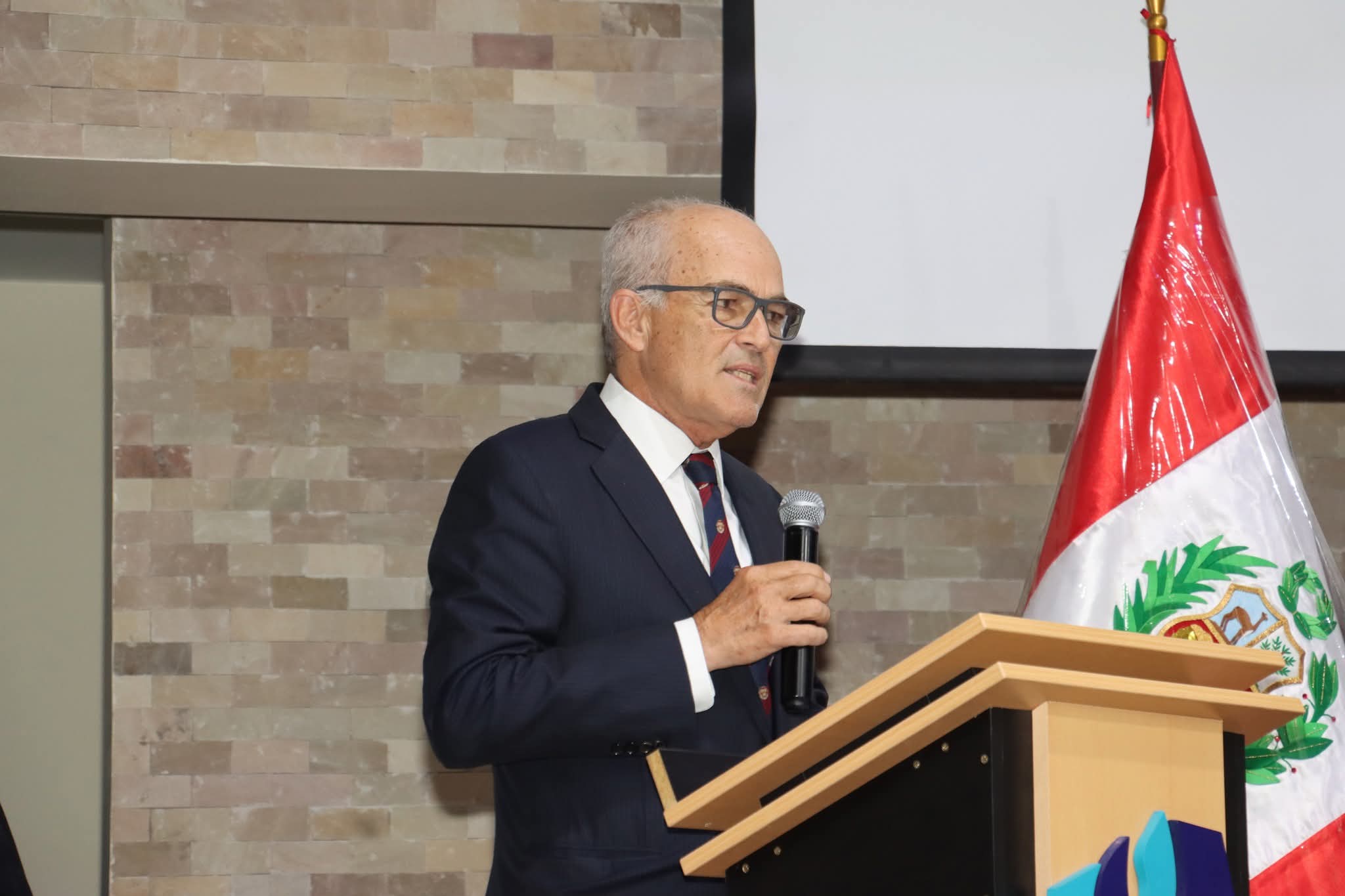
The "Jueves Minero" series, a flagship initiative of the IIMP, has historically served as a platform for industry leaders, academics, and policymakers to address pressing issues facing the mining sector. These events are typically held monthly, rotating through various regions of Peru to ensure a decentralized approach and to engage with local stakeholders. The decision to hold this edition in Arequipa underscores the strategic importance of the southern macro-region, which is home to a significant concentration of mining operations and holds immense potential for future development.
The timing of this event is particularly significant. Peru is navigating a complex global economic landscape, with a strong focus on economic recovery and sustainable development. The mining sector, as a primary driver of foreign exchange and government revenue, is central to these national objectives. Furthermore, the increasing global emphasis on decarbonization and the energy transition has elevated the importance of metals like copper, positioning Peru to play a pivotal role in supplying these critical materials.
The IIMP’s choice to focus on the future of mining and copper, specifically within the context of the southern macro-region, indicates a forward-looking approach. It acknowledges the need for strategic planning and proactive engagement to maximize the benefits of Peru’s mineral wealth while addressing potential challenges. The selection of prominent figures like Roque Benavides and key representatives from the financial, operational, and industrial sectors signals the event’s ambition to foster a high-level, informed discussion.
Supporting Data: Peru’s Position in the Global Copper Market
Peru’s significance in the global mining landscape, particularly concerning copper, is well-documented by numerous industry reports and statistical data. As the world’s second-largest producer of copper, Peru contributes a substantial percentage to global supply. This position is supported by a robust geological endowment and a long history of mining operations.
- Production Figures: In recent years, Peru’s annual copper production has consistently ranked among the top two globally, often rivaling Chile for the leading position. For instance, data from the Ministry of Energy and Mines (MINEM) and international bodies like the U.S. Geological Survey (USGS) indicate that Peru’s copper output can range from 2 to 2.5 million metric tons per year. This volume makes the country a critical player in meeting global demand.
- Export Value: Copper is a leading export commodity for Peru, generating significant foreign exchange earnings. The value of copper exports often constitutes a substantial portion of Peru’s total export revenue, underscoring its economic importance. Fluctuations in global copper prices directly impact Peru’s trade balance and its overall economic performance.
- Investment Trends: Peru has historically attracted significant foreign direct investment (FDI) in its mining sector. While investment levels can be influenced by global commodity cycles and domestic policy environments, the country’s vast mineral potential continues to draw interest from international mining companies. Recent reports from organizations like the Peruvian Association of Mining Engineers (IIMP) and government agencies highlight ongoing exploration and development activities, particularly in large-scale copper projects.
- Copper Reserves: Peru possesses substantial copper reserves, indicating a long-term potential for continued production. Geological surveys and company reports suggest that the country has significant untapped resources, particularly in regions like Áncash, Arequipa, Cusco, and Moquegua. The identification and responsible development of these reserves are crucial for securing Peru’s future as a leading copper supplier.
- Energy Transition Demand: The global push towards decarbonization is a significant driver for increased copper demand. Projections from organizations like the International Energy Agency (IEA) and industry research firms forecast a substantial rise in copper consumption over the next decade, driven by the electrification of transportation, expansion of renewable energy infrastructure (solar and wind power), and grid modernization. Peru, with its significant copper production capacity, is strategically positioned to benefit from this growing demand.
The "Jueves Minero" event will undoubtedly draw upon such data to contextualize the discussions and highlight the economic opportunities and challenges associated with Peru’s role in the global copper market. The insights from the speakers will be crucial in understanding how to leverage these statistics for sustainable national development.
Official Responses and Policy Implications
The discussions and analyses presented at the "Jueves Minero" event are likely to have significant implications for official responses and policy development within Peru. The mining sector is a crucial pillar of the Peruvian economy, and its performance directly impacts government revenue, employment, and regional development.
-
Government Dialogue: The IIMP’s role as a bridge between industry, academia, and potentially policymakers ensures that the insights generated at these events can inform government decisions. The presence of IIMP officials, such as Vice President Tomás Gonzales, signifies a commitment to facilitating this dialogue. The government, through ministries such as the Ministry of Energy and Mines (MINEM), is continuously engaged in shaping policies related to mining concessions, environmental regulations, community relations, and fiscal regimes. The perspectives shared by industry leaders like Roque Benavides and Julia Torreblanca will offer valuable real-world insights into the practical impact of these policies.
-
Regional Development Strategies: The specific focus on the southern macro-region is likely to prompt discussions about tailored regional development strategies. This region, rich in mineral resources, often faces unique socio-economic challenges. The event’s exploration of copper’s potential for this area could lead to calls for targeted investments in infrastructure, education, and social programs that complement mining operations and ensure equitable benefit sharing. Government agencies responsible for regional planning and development will likely pay close attention to the outcomes of this discussion.
-
Environmental and Social Governance (ESG): With the increasing global emphasis on ESG factors, the event’s discussions on corporate social responsibility and community engagement will be highly relevant. Julia Torreblanca’s participation from Cerro Verde, a company with a significant focus on ESG, will likely highlight best practices and challenges in this area. Policymakers are increasingly scrutinizing the environmental and social performance of mining companies, and the insights from this event could inform regulatory adjustments and incentives aimed at promoting sustainable mining practices. The government’s commitment to responsible mining, often articulated through national environmental policies and social inclusion initiatives, will be a key area of consideration.
-
Investment Climate: The perspectives from Patricio Lewis of SURA Investments will be crucial in understanding the factors that influence investment decisions in Peru’s mining sector. Discussions on regulatory stability, fiscal certainty, and the overall ease of doing business are critical for attracting and retaining both domestic and foreign investment. The government’s efforts to improve the investment climate, often through streamlining bureaucratic processes and providing clear regulatory frameworks, will be indirectly assessed through the dialogue at the event.
The "Jueves Minero" serves as an important platform for the mining industry to articulate its perspectives and challenges, which in turn can influence the policy agenda. By bringing together diverse stakeholders, the event aims to foster a more informed and collaborative approach to managing Peru’s vital mining sector.
Implications for the Future of Peruvian Mining
The "Jueves Minero" event, with its focus on the future of mining and copper, and the specific emphasis on the southern macro-region, carries significant implications for the trajectory of Peru’s mining sector. The insights gleaned from this gathering will likely shape strategic decisions, policy considerations, and investment priorities in the years to come.
-
Strategic Importance of Copper: The event underscores the undeniable importance of copper in the global energy transition. Peru’s ability to capitalize on this demand will be a critical determinant of its future economic prosperity. The discussions will likely highlight the need for sustained investment in exploration and development to maintain and expand copper production capacity. This includes not only large-scale projects but also the exploration of smaller, more artisanal operations to ensure a comprehensive approach to resource utilization.
-
Unlocking Southern Potential: The specific focus on the southern macro-region is a recognition of its immense, yet often complex, potential. The event’s discussions are expected to shed light on the specific challenges and opportunities unique to this area, which may include infrastructure deficits, community engagement complexities, and the need for specialized skill development. A key implication will be the call for coordinated efforts between government, industry, and local communities to unlock this potential responsibly and inclusively. This could involve tailored incentive programs, strategic infrastructure investments, and robust social development initiatives.
-
Innovation and Technology Adoption: The rapidly evolving global mining landscape demands continuous innovation and the adoption of new technologies. The discussions at the "Jueves Minero" will likely touch upon the importance of embracing digital transformation, automation, and sustainable mining practices to enhance efficiency, reduce environmental impact, and improve safety. Companies that are at the forefront of these advancements will be better positioned to thrive in the competitive global market.
-
Social License and Sustainability: The long-term viability of any mining operation hinges on its social license to operate. The event’s emphasis on corporate affairs and community relations signals a growing recognition of the critical role of strong stakeholder engagement, transparent communication, and equitable benefit sharing. Implications for the future include a heightened focus on ESG performance, with companies needing to demonstrate a genuine commitment to environmental stewardship and social responsibility to maintain public trust and operational continuity.
-
Economic Diversification and Value Addition: While mining is a vital economic engine for Peru, discussions about its future often include the need for greater value addition within the country. This could involve developing downstream processing capabilities for minerals, fostering related industries, and creating more skilled employment opportunities. The participation of a diversified industrial group like Grupo Gloria hints at the potential for such discussions, exploring how mining can catalyze broader economic development beyond raw material extraction.
In conclusion, the "Jueves Minero" event in Arequipa represents more than just a technical discussion; it is a strategic forum for shaping the future of Peruvian mining. By bringing together influential leaders and experts, the IIMP is fostering a crucial dialogue that will undoubtedly inform the industry’s path forward, ensuring that Peru continues to be a responsible and significant player in the global mining landscape, particularly in its vital contribution to the world’s copper supply.