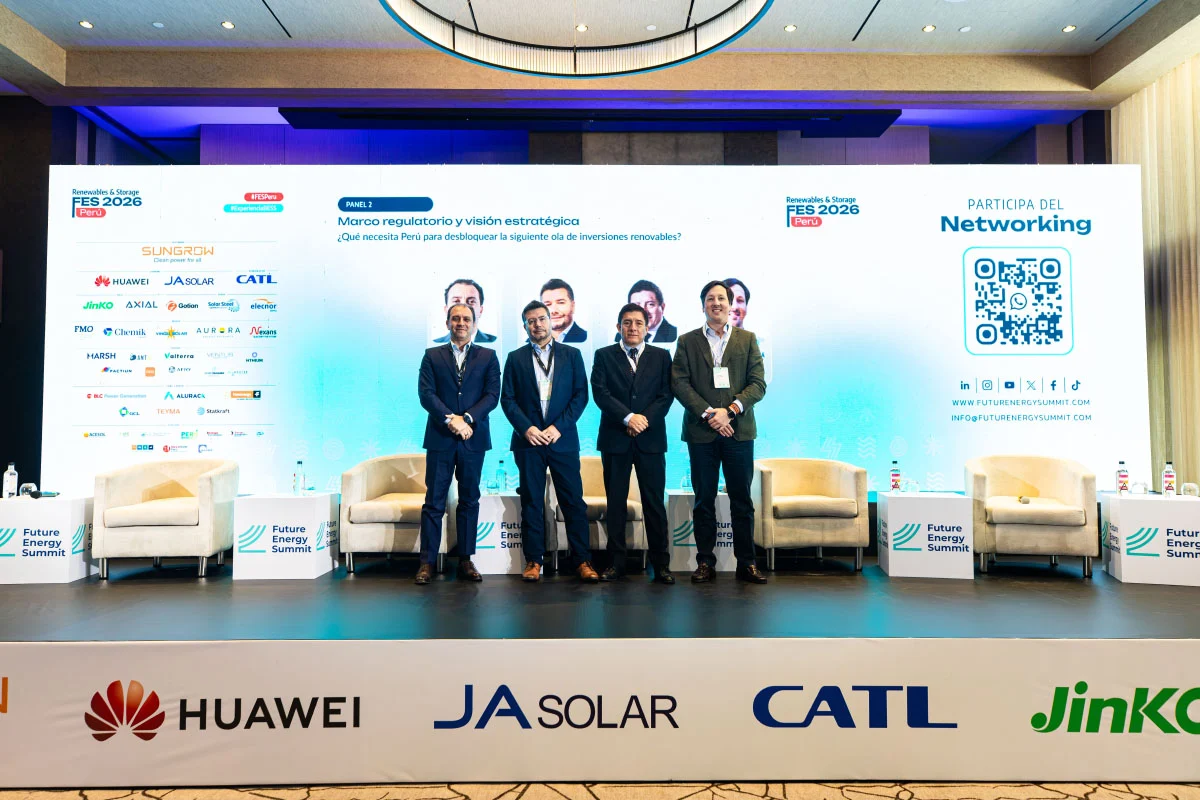
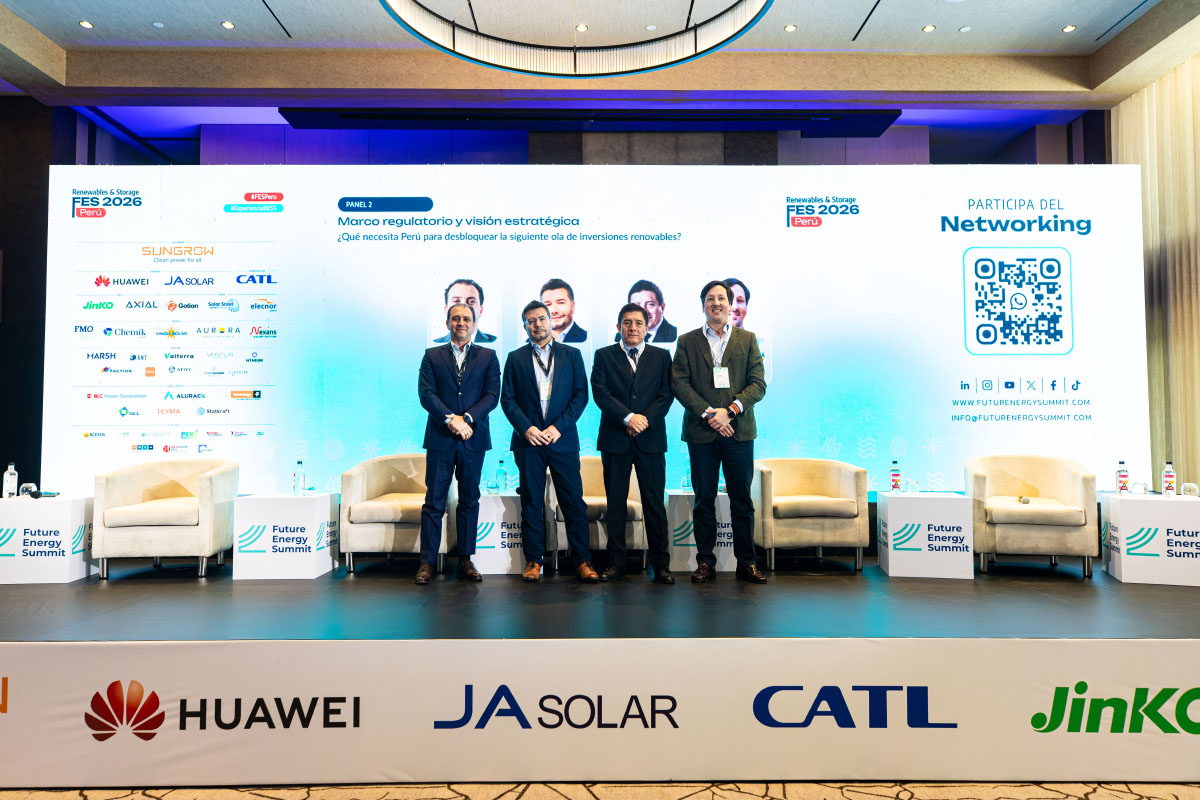
Lima, Peru – The burgeoning renewable energy sector in Peru faces a critical juncture, with industry leaders emphasizing the urgent need for a stable and predictable regulatory framework to unlock the next wave of significant investment. This sentiment echoed throughout the "Regulatory Framework and Strategic Vision: What Does Peru Need to Unlock the Next Wave of Renewable Investments?" panel, a pivotal session at the recent Future Energy Summit 2026. The discussion, moderated by Álvaro Villasante, Vice President of Business Management and Innovation at Grupo Energía Bogotá, brought together key figures from leading energy companies: Juan Salinas, General Manager of Fenix; Marco Fragale, CEO of Orygen; and Irwin Frisancho, Commercial Manager of Kallpa.
The core of the debate centered on creating an environment conducive to accelerating new investments in electricity generation, with a particular focus on renewable sources. While Peru has made strides in integrating renewables, industry insiders argue that a more robust and forward-looking approach is imperative to sustain growth and meet the nation’s evolving energy demands. The consensus among panelists was clear: the potential for renewable energy in Peru is immense, but its full realization is contingent upon addressing key structural and regulatory challenges.
The Investment Imperative: Fueling Peru’s Green Transition
Juan Salinas of Fenix articulated the company’s proactive approach to developing a diverse portfolio of renewable energy projects. "The engine of our business is our clients," Salinas explained. "As we secure a client and successfully navigate a bidding process, we can then determine which of our projects in the pipeline best serves their needs, considering factors such as location and consumption patterns." This client-centric strategy underscores the importance of demand-driven development, but it is heavily reliant on the ability to secure long-term contracts.
Fenix has expressed a keen interest in participating in upcoming regulated market tenders as well as directly engaging with mining clients, a sector with significant and growing energy requirements. Salinas highlighted the crucial role of long-term Power Purchase Agreements (PPAs) in mobilizing the capital necessary for new project development. These agreements provide the financial certainty that investors require, effectively de-risking investments and fostering a continuous cycle of expansion. Without such predictable revenue streams, the financial viability of large-scale renewable energy projects becomes significantly more challenging.
The conversation also touched upon the broader economic implications of attracting investment. Peru, like many nations, is striving to balance economic development with environmental sustainability. A robust renewable energy sector not only contributes to cleaner air and reduced carbon emissions but also offers opportunities for job creation, technological advancement, and greater energy independence. However, the path to achieving these benefits is paved with the need for strategic policy decisions that prioritize long-term vision over short-term expediency.
Regulatory Predictability: The Bedrock of Long-Term Investment Decisions
A recurring theme throughout the summit, and particularly within this panel, was the paramount importance of regulatory predictability. Juan Salinas emphatically placed this at the forefront of his intervention, stating, "Predictability over time is what enables long-term investments. Without this signal, it is difficult to make investment decisions because companies need to present scenarios to their boards that offer the greatest possible certainty."
This need for certainty is not about demanding an "ideal" regulatory system, but rather one that is stable and consistent. Frequent changes or ambiguities in regulations can create significant headwinds for project developers, leading to delays, increased costs, and ultimately, a reluctance to commit capital. Businesses require a clear and unwavering policy environment to plan effectively and justify investments to their shareholders.
Furthermore, Salinas underscored the necessity of anticipating transmission infrastructure needs in tandem with the growth of renewable generation. As more renewable capacity comes online, the grid must be equipped to handle it. Insufficient transmission capacity can lead to curtailment of renewable energy, negating the benefits of new generation and hindering the overall progress of the energy transition. Proactive planning and investment in transmission infrastructure are therefore as vital as the generation projects themselves. This integrated approach ensures that the grid can effectively absorb and distribute clean energy, supporting a continuous investment cycle and providing greater assurance to companies evaluating new projects in the country.
The discussion also touched on the challenges posed by the current pricing mechanisms within the electricity system. Salinas expressed concern over the marginal costs, stating, "What we need to do today is quickly add competitive renewable energy. The marginal costs have us extremely worried. We cannot have price transfers to customers at these levels because it does not make the country competitive." This sentiment highlights a potential disconnect between the cost of generating renewable energy and the prices consumers ultimately pay, which could impact the economic viability of new projects if not addressed.
Embracing Renewables and System Flexibility
Looking towards the near and medium term, Fenix, according to Salinas, remains focused on the development of solar and wind energy projects. These technologies have proven to be cost-effective and scalable in Peru, aligning with the country’s significant natural resource potential. However, as the penetration of these variable renewable energy sources increases, so too does the need for flexibility within the electricity system.
Salinas highlighted the growing importance of energy storage systems. "Storage systems will play an increasingly relevant role as the participation of renewable energies increases, by providing the flexibility that the electricity system requires," he stated. Battery energy storage systems (BESS) and other storage solutions are critical for balancing the intermittent nature of solar and wind power, ensuring a stable and reliable electricity supply even when the sun isn’t shining or the wind isn’t blowing. This integration of storage is not merely an add-on but a fundamental component of a modern, resilient renewable energy grid.
The panelists generally agreed that the primary obstacle to further investment in Peru’s renewable energy sector is not a lack of corporate interest but rather the prevailing conditions for investment. The desire to invest is present; however, the enabling environment needs to be more robust. This involves not only regulatory stability but also market mechanisms that adequately reward the integration of renewables and storage, and ensure the overall competitiveness of the energy supply.
The Future Energy Summit 2026 panel served as a crucial platform for industry leaders to articulate their vision and concerns regarding Peru’s renewable energy trajectory. The discussions underscored that the path forward requires a concerted effort from government, regulators, and the private sector to foster an environment of predictability, invest strategically in infrastructure, and embrace innovative solutions that enhance system flexibility. The success of Peru’s transition to a cleaner, more sustainable energy future hinges on its ability to create the conditions that will attract and sustain the significant investments needed to unlock its vast renewable energy potential.
Supporting Data and Emerging Trends
While the article itself does not contain specific data points beyond the statements of the panelists, the context of the discussion points to several underlying trends in the Peruvian energy market:
- Growing Demand: Peru’s economy is expanding, leading to increased electricity demand from both industrial and residential sectors. This growth necessitates continuous investment in generation capacity.
- Renewable Potential: Peru possesses abundant solar and wind resources, particularly in its coastal regions, making it a prime candidate for significant renewable energy development.
- Current Generation Mix: While hydro power has historically been dominant, there is a clear strategic push to diversify the energy matrix with solar and wind, driven by cost competitiveness and environmental goals.
- Mining Sector Influence: The mining industry is a major energy consumer in Peru and a key target for renewable energy providers seeking long-term contracts. Its energy needs are substantial and growing, offering a significant market opportunity.
- Technological Advancements: The decreasing costs of solar panels, wind turbines, and energy storage technologies globally are making renewable energy increasingly competitive with traditional fossil fuel sources.
Official Responses and Policy Considerations
Although the provided text focuses on industry perspectives, the issues raised by the panelists would necessitate responses and considerations from Peruvian government bodies responsible for energy policy and regulation, such as the Ministry of Energy and Mines (MINEM) and the regulatory agency Osinergmin. Key areas for official attention would include:
- Regulatory Stability and Transparency: Ensuring a clear, consistent, and transparent regulatory framework that minimizes uncertainty for investors. This could involve long-term energy planning and predictable auction schedules.
- Transmission Infrastructure Development: Accelerating the planning and execution of transmission projects to accommodate new renewable generation and prevent grid congestion. This may require public-private partnerships and streamlined permitting processes.
- Market Design and Pricing Mechanisms: Reviewing and potentially reforming market rules to ensure that the true value of renewable energy and storage is captured, and that marginal costs do not disincentivize investment or lead to uncompetitive consumer prices.
- Incentives for Storage: Developing policies and incentives that encourage the deployment of energy storage solutions to enhance grid flexibility and reliability.
- Streamlining Permitting and Environmental Approvals: Reducing bureaucratic hurdles and accelerating the approval processes for renewable energy projects.
Implications for Peru’s Energy Future
The insights shared at the Future Energy Summit 2026 paint a clear picture of the challenges and opportunities ahead for Peru’s renewable energy sector. The implications of heeding the call for regulatory predictability and strategic investment are far-reaching:
- Accelerated Decarbonization: A stable investment environment will enable Peru to significantly increase its renewable energy generation, contributing to national climate change mitigation goals and reducing reliance on fossil fuels.
- Enhanced Energy Security and Independence: Diversifying the energy mix with domestic renewable resources will bolster Peru’s energy security and reduce its vulnerability to volatile international energy markets.
- Economic Growth and Job Creation: Investments in renewable energy projects, manufacturing, and installation create significant employment opportunities and stimulate economic activity.
- Competitive Energy Costs: As renewable technologies continue to mature and become more cost-effective, a robust deployment can lead to more stable and potentially lower energy costs for consumers and industries in the long run.
- Technological Advancement and Innovation: A proactive approach to renewable energy integration can foster innovation in grid management, energy storage, and other related technologies, positioning Peru as a leader in the clean energy transition.
Ultimately, the success of Peru’s renewable energy ambitions rests on its ability to translate the concerns and recommendations of industry leaders into concrete policy actions. The Future Energy Summit served as a critical dialogue, highlighting that while the potential is undeniable, the realization of a truly sustainable and prosperous energy future for Peru demands strategic foresight and unwavering commitment to creating an investment-friendly environment.