Lima, Peru – Peru’s mining industry is demonstrating a remarkable resurgence, with cumulative investments reaching an impressive US$3.304 billion in the first six months of 2026. This figure represents a substantial 42.7% surge compared to the same period in the previous year, underscoring a robust and dynamic investment climate. The latest data, released by the Ministry of Energy and Mines (MINEM), paints a compelling picture of continued development and expansion within the sector, bolstering confidence in Peru’s mining future and its capacity to attract significant capital for both new ventures and the enhancement of existing operations.
The positive trajectory is further solidified by the performance in June 2026, which recorded the highest monthly investment figure for the year to date, totaling US$662 million. This single month’s achievement signifies a 10.6% increase over May 2026 and a significant 39.1% leap when compared to June 2025. This sustained momentum is largely attributed to substantial growth in key investment areas, including Development and Preparation (+113.5%), Infrastructure (+84.9%), and "Other" categories (+76.6%). These impressive gains were complemented by positive advancements in Beneficiation Plants (+11.4%) and Exploration (+2.8%), indicating a broad-based commitment to project advancement across the mining value chain.
The Ministry’s report, meticulously compiled by the Directorate General of Mining Promotion and Sustainability (DGPSM), highlights a strategic focus by mining companies. These entities are consistently prioritizing investments aimed at expanding operational capacities, ensuring the seamless continuity of ongoing activities, and strategically advancing key projects. This proactive approach is vital for maintaining Peru’s competitive edge in the global mining landscape and for unlocking its full productive potential.
A Chronology of Growth: Unpacking the Investment Surge
The figures released by the Ministry of Energy and Mines provide a clear narrative of a sector on the rise. The cumulative investment of US$3.304 billion between January and June 2026 is not merely a statistical anomaly but a testament to a carefully managed and strategically executed investment cycle.
First Quarter Momentum (January – March 2026): While specific quarterly breakdowns are not detailed in the initial report, the overall trend suggests a strong start to the year. The foundational investments laid during these months would have set the stage for the accelerated growth observed in the second quarter. Early-stage exploration and the initiation of preparatory work for larger projects likely contributed significantly to this period.
Second Quarter Acceleration (April – June 2026): The second quarter witnessed a pronounced acceleration, culminating in the record-breaking month of June. The substantial increases in Development and Preparation, Infrastructure, and Beneficiation Plants indicate that projects are moving beyond their initial planning phases and into more capital-intensive construction and operational setup stages. This acceleration is a critical indicator of investor confidence and the tangible progress of major mining ventures.
The Significance of June 2026: The US$662 million invested in June alone is a pivotal point in the semi-annual report. This monthly peak suggests the convergence of several factors, potentially including the disbursement of significant tranches for major projects, the commencement of new construction phases, or the fulfillment of contractual obligations related to equipment procurement and infrastructure development. The sustained positive growth from May to June (10.6%) and the substantial year-on-year increase (39.1%) underscore that this was not a fleeting spike but a reflection of sustained momentum.
Deep Dive into Investment Drivers: Sectoral Contributions and Key Players
The impressive growth in mining investment is a multifaceted phenomenon, driven by strategic decisions from leading companies and a favorable environment for specific types of development. The DGPSM’s analysis points to a clear emphasis on expanding operational capabilities and securing the long-term viability of mining activities.
Key Investment Categories Witnessing Significant Growth:
- Development and Preparation (+113.5%): This category is crucial as it represents the foundational work required to bring new mining areas into production or to expand existing ones. Investments here include activities such as underground development, mine construction, and the establishment of necessary support infrastructure within the mining sites themselves. The significant surge indicates a robust pipeline of projects moving towards operational readiness.
- Infrastructure (+84.9%): Mining operations are heavily reliant on robust infrastructure, including access roads, transportation networks, power supply, and water management systems. The substantial increase in this area suggests investments in expanding or upgrading these vital components, which are essential for the efficient and sustainable operation of mines, particularly those in remote locations.
- Other (+76.6%): This broad category likely encompasses a range of investments, from social responsibility projects and environmental management systems to technological upgrades and administrative facilities. A significant increase here can reflect a comprehensive approach to mining operations, addressing not only production but also sustainability and community engagement.
- Beneficiation Plants (+11.4%): Investments in beneficiation plants are critical for processing extracted ore and increasing its value. The steady growth in this area indicates companies are focused on enhancing their processing capabilities, potentially to handle larger volumes of ore or to improve the recovery rates of valuable minerals.
- Exploration (+2.8%): While the growth in exploration is more modest compared to other categories, its continued positive trend is vital for the long-term sustainability of the mining sector. Exploration efforts are essential for discovering new mineral deposits and replenishing reserves, ensuring the future of Peru’s mining industry.
Leading Companies Fueling the Investment Surge:
The report highlights specific companies that have made significant contributions to this impressive investment performance:
-
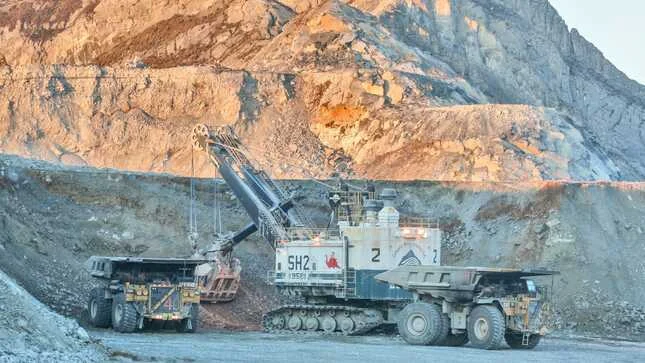
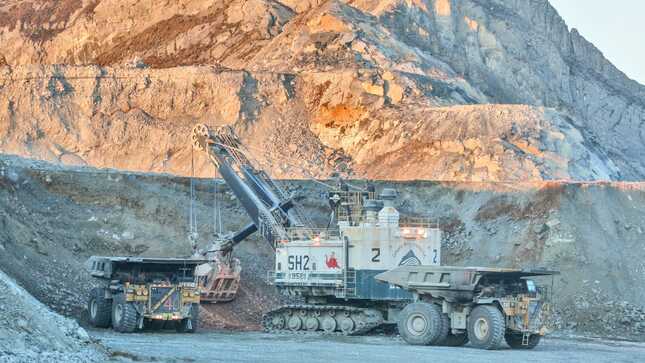
Southern Peru Copper Corporation (SPCC): SPCC stands out for its substantial investments, primarily focused on the continuity of its "Acumulación Toquepala 1" project and the development of the "Concentradora de Botiflaca" beneficiation plant. Furthermore, the company has increased its outlays in infrastructure, development and preparation, and mining equipment. These investments underscore SPCC’s commitment to expanding its copper production capacity and enhancing its operational efficiency. The scale of these projects indicates a long-term vision for their operations in Peru.
-
Shougang Hierro Perú S.A.A.: Demonstrating exceptional growth, Shougang Hierro Perú S.A.A. has recorded a remarkable interannual increase of 135.4%. This surge is largely attributable to significant investments in the "Acumulación San Nicolás" beneficiation plant and the "CPS 1" Economic Administrative Unit. This substantial investment signifies Shougang’s strategic focus on optimizing its iron ore operations and potentially expanding its production output to meet growing market demands.
-
Minera Las Bambas S.A.: Securing the third position, Minera Las Bambas S.A. has continued its substantial investment commitments. The company’s ongoing disbursements are primarily directed towards the "Ferrobamba" and "Chalcobamba" Economic Administrative Units. These investments are crucial for maintaining and potentially expanding the operational capacity of one of Peru’s most significant copper mining complexes, reinforcing its role as a major player in the global copper market.
Official Responses and Strategic Outlook
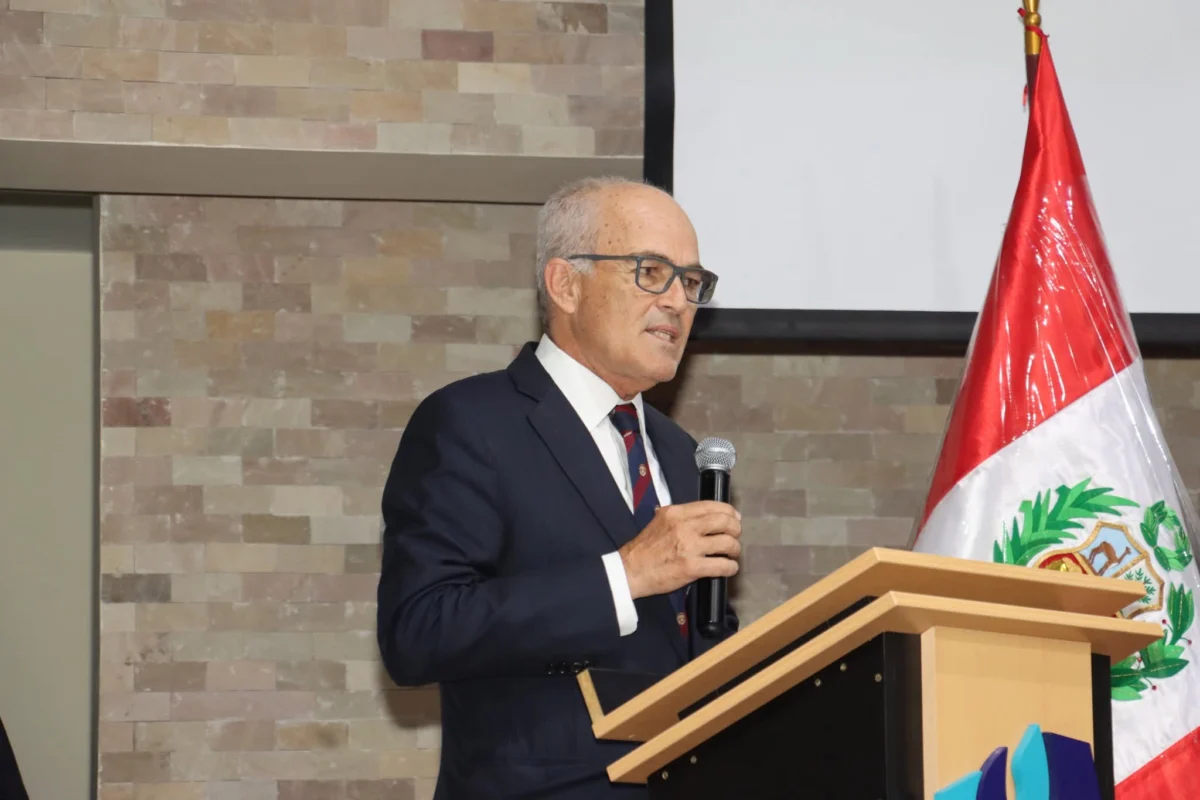
The Ministry of Energy and Mines (MINEM) has welcomed these positive investment figures, emphasizing their significance for the nation’s economic development and the mining sector’s long-term sustainability. The DGPSM’s report serves as a crucial barometer for the health and trajectory of Peru’s mining industry.
Ministerial Commentary: The Ministry’s statement, as quoted in the original report, reinforces the narrative of a thriving investment cycle. The observation that "The observed evolution confirms that the investment cycle continues to be supported by projects of expansion, modernization, and operational sustainability, which are fundamental to strengthening the competitiveness and productive potential of Peruvian mining," highlights the strategic foresight guiding these investments. This perspective indicates that the growth is not merely opportunistic but is underpinned by a deliberate strategy to enhance the sector’s inherent strengths and future potential.
DGPSM’s Role: The Directorate General of Promotion and Mining Sustainability (DGPSM) plays a pivotal role in collecting, analyzing, and disseminating crucial data regarding the mining sector. Their meticulous compilation of the Mining Statistical Bulletin (BEM) provides policymakers, industry stakeholders, and the public with timely and accurate information, enabling informed decision-making and fostering transparency. The DGPSM’s continued focus on these metrics is instrumental in tracking progress and identifying emerging trends.
Implications for Peru’s Economic Landscape:
The robust performance of the mining sector has profound implications for Peru’s broader economic landscape. As a cornerstone of the national economy, mining’s success translates into increased foreign exchange earnings, significant tax revenues, and the creation of direct and indirect employment opportunities.
-
Economic Growth Driver: The substantial increase in mining investment is a powerful engine for economic growth. It stimulates demand for goods and services, supports related industries such as construction, logistics, and manufacturing, and contributes to a more dynamic and resilient economy.
-
Fiscal Contributions: Higher investment levels generally correlate with increased production and profitability, leading to greater fiscal contributions through royalties, taxes, and other levies. These revenues are vital for funding public services, infrastructure projects, and social programs across the country.
-
Job Creation and Skill Development: The expansion of mining operations necessitates a skilled workforce. Investments in development, infrastructure, and beneficiation directly translate into job creation, from highly specialized engineering roles to essential operational and support positions. This, in turn, drives demand for training and skill development initiatives, fostering human capital growth.
-
Attracting Further Investment: The positive trend in mining investment serves as a powerful signal to potential investors worldwide. A track record of robust capital deployment and successful project execution enhances Peru’s reputation as an attractive and stable destination for mining ventures, potentially attracting even greater levels of foreign direct investment in the future.
-
Technological Advancement and Sustainability: The ongoing investment in modernizing beneficiation plants and implementing new infrastructure often incorporates advanced technologies. This can lead to improved operational efficiency, reduced environmental impact, and the adoption of more sustainable mining practices, aligning Peru’s mining sector with global best practices.
In conclusion, the US$3.304 billion in mining investment during the first half of 2026 is a clear indicator of a sector that is not only recovering but thriving. The sustained momentum, driven by strategic investments in expansion, modernization, and operational continuity, positions Peru’s mining industry for a period of significant growth and contribution to the nation’s prosperity. The continued commitment of leading companies and the supportive environment fostered by the government are crucial factors that will shape the future trajectory of this vital economic sector.