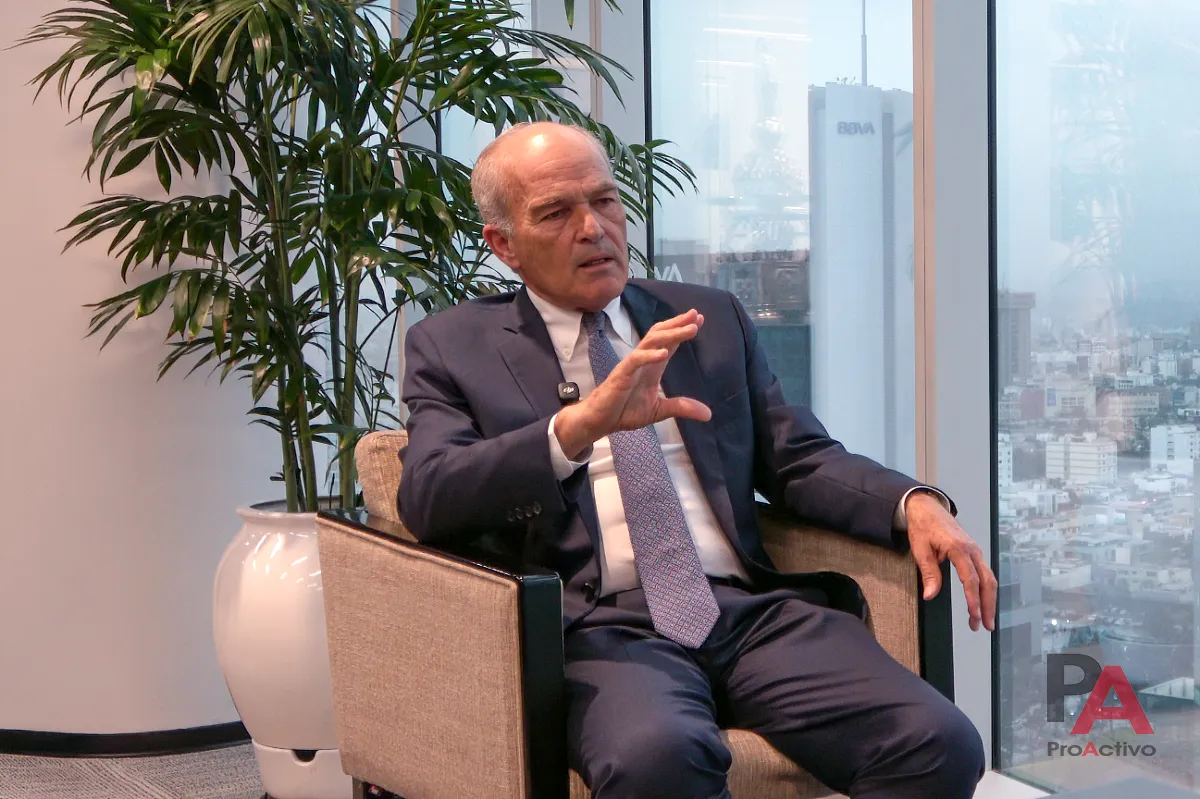
Lima, Peru – In an era where resource extraction and industrial development often intersect with complex social landscapes, the cultivation of trust has emerged as a paramount strategic imperative. This sentiment was powerfully articulated by Juan Carlos Ortiz, President of the Peruvian Institute of Mining Engineers (IIMP), who emphasized the critical need for robust dialogue and collaboration among businesses, local communities, and the state to ensure the sustainability of investments and the continuity of productive activities across Peru’s diverse territories.
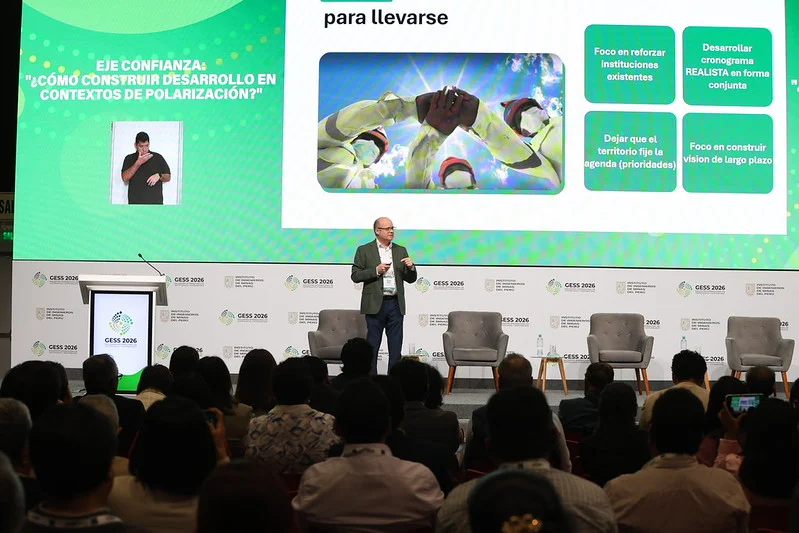
Ortiz’s insights, shared during an interview with the Red de Comunicación Regional (RCR) on the occasion of the closing of the First International Meeting on Social Management and Sustainability, underscored a fundamental shift in understanding: trust is not merely a desirable outcome, but a tangible, strategic asset for any organization seeking long-term viability and positive societal impact.
The Fragile Foundation of Trust: A Strategic Asset
"Trust is something that one can build, that of course, one must care for and preserve," Ortiz stated emphatically. "It is very fragile, but it is an important asset for developing long-term activity." This statement encapsulates a nuanced view of trust, acknowledging its delicate nature while simultaneously elevating its status to a core component of business strategy, particularly within sectors like mining that operate in often remote and sensitive environments.
The president of the IIMP elaborated on the significance of building trust within these territories, particularly in regions where state presence may be limited. This lack of governmental oversight amplifies the responsibility of private entities to foster strong, positive relationships with the communities in their operational vicinity.
"It is not only for the benefit of neighboring communities, but it is also an important part of the business," Ortiz explained. "How to develop and do business in a context like the one we have in Peru, in isolated or high-altitude areas, where perhaps the State has very little or no presence." This pragmatic perspective highlights that a proactive approach to building trust is not just a matter of corporate social responsibility, but a fundamental requirement for operational success and social license to operate. Without the bedrock of community trust, projects risk facing significant delays, opposition, and ultimately, failure, regardless of their economic potential.
The Ripple Effect of Sustainable Development: Positive Impacts in Territories
Beyond the immediate need for trust in operational contexts, Ortiz also championed the importance of ensuring that the benefits derived from productive activities genuinely permeate the territories where they are undertaken. This necessitates the creation of effective mechanisms for benefit-sharing and impact dissemination.
"To the extent that we generate one, two, or three mechanisms that help to distribute the benefits of an operation to those who are closest, and in general to all Peruvians, it will be extremely beneficial for everyone," he remarked. This vision extends beyond simple philanthropy, advocating for systemic approaches that ensure economic gains translate into tangible improvements in the lives of local populations and contribute to the broader national well-being.
The IIMP president pointed to initiatives like "Obras por Impuestos" (Works for Taxes) as a promising avenue for achieving this objective. This program allows private companies to finance public works projects in exchange for tax credits, effectively channeling private sector resources directly into infrastructure and social development in areas that often lack adequate public investment. Such mechanisms, Ortiz suggested, are vital for bridging the gap between resource wealth and community needs, fostering a sense of shared prosperity.
Bridging Divides: The Power of Inter-Sectoral Dialogue
The First International Meeting on Social Management and Sustainability, which served as the backdrop for Ortiz’s commentary, itself represented a crucial platform for fostering this essential dialogue. By bringing together diverse stakeholders from various sectors, the event aimed to facilitate the exchange of experiences, best practices, and innovative solutions to the complex challenges facing Peru.
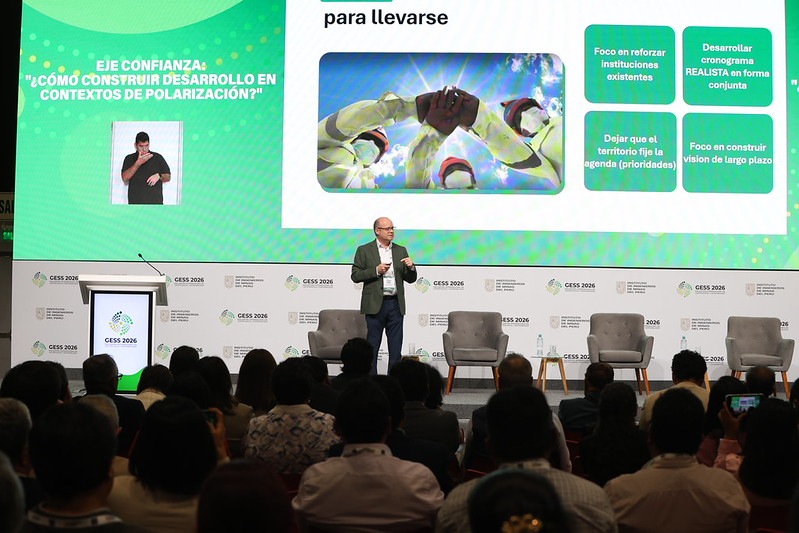
Ortiz underscored the value of this cross-sectoral learning: "Finally, the exchange of experiences between different sectors can contribute to identifying better practices, learning from mistakes, and promoting new solutions for the country’s challenges." This collaborative approach recognizes that no single entity possesses all the answers. By fostering an environment where industries can share insights, learn from both successes and failures, and collectively brainstorm new approaches, Peru can accelerate its progress towards sustainable and equitable development.
The implication is clear: isolated efforts, however well-intentioned, are unlikely to achieve the scale and impact required to address Peru’s multifaceted development challenges. A coordinated, collaborative, and trust-based approach, driven by open dialogue and a shared commitment to positive outcomes, is the most viable path forward.
The Path Forward: Strengthening Capacities for a Sustainable Future
The overarching message from Juan Carlos Ortiz is one of proactive engagement and strategic investment in relationships. For Peru, a nation rich in natural resources but also grappling with significant social and economic disparities, the lessons are particularly poignant.
Main Facts:
- Trust as a Strategic Asset: Juan Carlos Ortiz, President of the Peruvian Institute of Mining Engineers (IIMP), asserts that trust is a critical strategic factor for the sustainability of investments and the continuity of productive activities in Peru.
- Need for Dialogue and Articulation: Ortiz highlights the necessity of strengthening capacities for dialogue and articulation among companies, communities, and the state.
- Trust as a Fragile but Important Asset: He describes trust as something that can be built, preserved, and is essential for long-term development, particularly in areas with limited state presence.
- Impactful Benefit Distribution: Ortiz emphasizes the importance of creating mechanisms for the benefits of productive activities to have a tangible impact on local territories.
- Obras por Impuestos as a Model: Initiatives like "Obras por Impuestos" are cited as positive examples of channeling resources to communities in need.
- Value of Inter-Sectoral Exchange: The exchange of experiences between different sectors is seen as crucial for identifying best practices and developing new solutions.
Chronology of Key Statements:
- Statement on Trust’s Strategic Importance: During an interview with Red de Comunicación Regional (RCR) at the closing of the First International Meeting on Social Management and Sustainability, Juan Carlos Ortiz declared trust as a strategic factor for investment sustainability and productive activity continuity.
- Definition of Trust: Ortiz further elaborated that trust should be understood as a strategic asset for organizations, emphasizing its buildable, preservable, yet fragile nature.
- Context of Limited State Presence: He specifically linked the generation of trust to the ability to build sustainable relationships in territories where state presence is minimal, highlighting its importance for business operations.
- Advocacy for Benefit Distribution Mechanisms: Ortiz advocated for the development of multiple mechanisms to ensure that the benefits of operations are distributed effectively to local communities and all Peruvians.
- Recognition of "Obras por Impuestos": He pointed to "Obras por Impuestos" as a concrete example of an initiative that brings resources closer to populations with greater needs.
- Emphasis on Collaborative Learning: Ortiz concluded by stressing the value of inter-sectoral experience exchange for identifying best practices and driving innovation for national challenges.
Supporting Data and Context:
While the provided text does not contain specific statistical data, it operates within a well-understood context of Peru’s development landscape. Peru is a nation heavily reliant on its extractive industries, particularly mining, which is a significant contributor to its GDP. However, these industries often operate in remote regions inhabited by indigenous and rural communities, where historical grievances, environmental concerns, and socioeconomic inequalities can create fertile ground for conflict.
The World Bank and other development organizations have consistently highlighted social license to operate and effective stakeholder engagement as critical factors for the success of large-scale projects in developing countries. Studies on community development in resource-rich regions often point to the correlation between equitable benefit-sharing, genuine consultation, and reduced social unrest. The concept of "Social License to Operate" (SLO) has become a key framework for companies to navigate these complex relationships, and it heavily relies on building and maintaining trust.
The "Obras por Impuestos" (Works for Taxes) mechanism, referenced by Ortiz, is a Peruvian government initiative designed to accelerate public infrastructure and services development by leveraging private sector investment and tax benefits. Its success hinges on the ability of companies to identify community needs and execute projects effectively, which in turn requires strong local partnerships and transparent processes.
The "First International Meeting on Social Management and Sustainability" itself serves as evidence of a growing recognition within Peru and internationally of the need for more sophisticated approaches to social and environmental governance in economic development. Such forums are vital for sharing lessons learned from diverse contexts and fostering a more integrated approach to sustainable development.
Official Responses and Industry Perspectives:
The statements by Juan Carlos Ortiz, as President of the IIMP, represent the official stance and perspective of a key industry body in Peru. The IIMP plays a crucial role in shaping policy, advocating for the mining sector, and promoting responsible practices. His emphasis on trust and community engagement reflects a growing understanding within the mining industry that a purely extractive model is no longer sustainable or socially acceptable.
While specific "official responses" from government bodies or other industries are not detailed in the provided text, Ortiz’s pronouncements are likely to resonate with government agencies responsible for mining, social development, and regional planning. The Peruvian government, through various ministries and agencies, has been actively seeking ways to improve social dialogues and ensure that the benefits of economic growth are more equitably distributed. Initiatives like "Obras por Impuestos" are a testament to this effort.
The broader business community, particularly those involved in resource extraction and large-scale infrastructure projects, are increasingly recognizing the strategic importance of social management. Companies that fail to prioritize trust and community relations often face significant operational disruptions, reputational damage, and legal challenges. Therefore, Ortiz’s call for strengthening dialogue and collaboration is likely to find receptive ears across various sectors.
Implications for Peru’s Development Trajectory:
Juan Carlos Ortiz’s emphasis on trust as a strategic asset carries profound implications for Peru’s future development.
- Enhanced Investment Climate: A genuine commitment to building trust can lead to a more stable and predictable investment environment. When communities feel respected, heard, and benefit from economic activities, they are more likely to support and collaborate with businesses, reducing the risk of project delays and social conflicts. This, in turn, can attract more responsible and long-term investment.
- More Equitable Distribution of Wealth: By advocating for mechanisms that ensure benefits reach local communities, Ortiz is pushing for a more equitable distribution of the wealth generated by Peru’s natural resources. This is crucial for reducing poverty, improving living standards, and fostering social cohesion in regions that have historically been marginalized.
- Strengthened Social Fabric: The focus on dialogue and articulation can help mend societal divides and build stronger relationships between different stakeholders. When businesses, communities, and the state work together collaboratively, it fosters a sense of shared responsibility and collective progress, strengthening the social fabric of the nation.
- Sustainable Resource Management: Trust and effective social management are intrinsically linked to sustainable resource management. When communities are involved in decision-making processes and feel secure about the benefits they will receive, they are more likely to support environmentally responsible practices.
- Innovation in Social Governance: The call for inter-sectoral exchange encourages innovation in how social and environmental challenges are addressed. By learning from each other’s experiences, Peru can develop more effective and contextually appropriate solutions for sustainable development.
- Empowerment of Local Communities: By highlighting the importance of trust and benefit-sharing, Ortiz implicitly advocates for the empowerment of local communities. When communities have a voice and a stake in development projects, they can better advocate for their rights and ensure that projects align with their long-term aspirations.
In conclusion, Juan Carlos Ortiz’s message serves as a timely reminder that in Peru, as in many parts of the world, the success of economic development is inextricably linked to the strength of its social foundations. Building and nurturing trust is not an optional add-on, but a fundamental requirement for unlocking the full potential of Peru’s resources for the benefit of all its citizens and for securing a truly sustainable future. The path forward demands a concerted effort to foster open dialogue, embrace collaborative approaches, and ensure that the dividends of progress are shared equitably.