Executive Summary: A Vital Investment for Huancavelica
The landscape of public health in the Peruvian highlands is undergoing a significant transformation. Recent data released by the Government of Huancavelica confirms that the construction of the new Hospital of Pampas, located in the province of Tayacaja, has officially surpassed a physical progress milestone of 55.63%.
This ambitious infrastructure project, representing a colossal investment exceeding 310 million soles, stands as a testament to a strategic, tripartite collaboration between the Regional Government of Huancavelica (Gore Huancavelica), the Ministry of Health (Minsa), and the National Program for Health Investment (Pronis). As the project transitions from structural foundations to the complex phase of architectural finishing, it promises to reshape the medical landscape for the inhabitants of the Pampino Valley, providing long-overdue access to modern, high-complexity healthcare services.
Chronology of Progress: From Foundations to Finishes
The evolution of the Hospital of Pampas is a study in large-scale civil engineering and logistical coordination. After overcoming the initial technical challenges associated with the geographical terrain of Tayacaja, the project has entered its most visible phase.
Phase I: Groundbreaking and Substructure
The early stages of the project were defined by rigorous soil stabilization and the construction of deep foundations designed to support a multi-block medical complex. This phase was crucial for ensuring that the site could withstand the seismic risks inherent to the Andean region.
Phase II: The Structural Framework
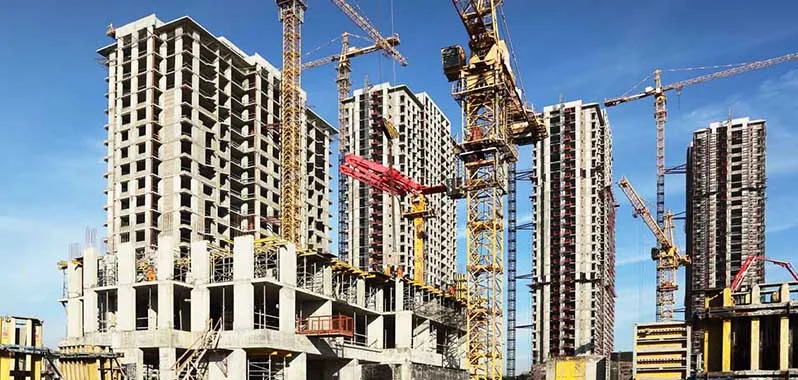
With the foundations complete, the skeleton of the hospital—a complex array of reinforced concrete columns, beams, and slabs—began to emerge. This phase required precise coordination to ensure that the structural integrity met national safety standards, particularly the incorporation of seismic isolation systems.

Phase III: The Current Turning Point
As of the latest site inspections, the project has successfully navigated past the structural phase. Current operations are heavily concentrated on:
- Architectural Enclosures: The systematic elevation of both interior and exterior walls using high-quality silicate and clay bricks.
- Façade Development: The commencement of exterior plastering (tarrajeo) on the Block A structure, signaling the beginning of the aesthetic and functional finishing process.
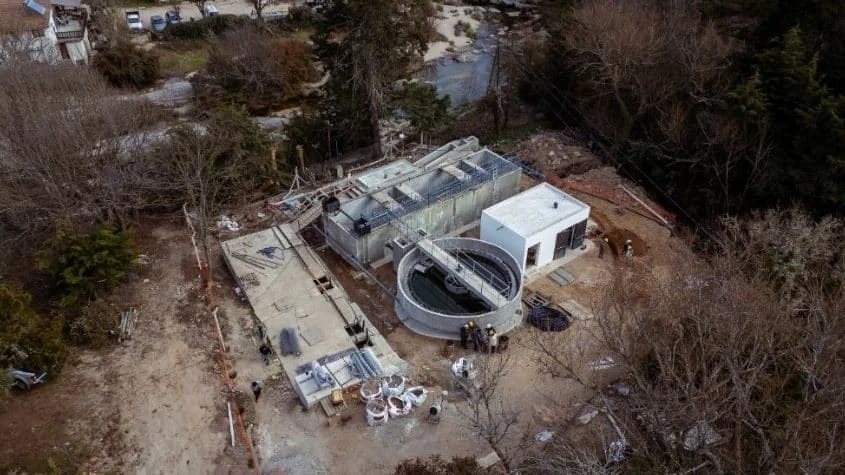
- Internal Systems: The concurrent installation of vital utility networks, including hot and cold water piping systems on the third floor of Block B, alongside the installation of sophisticated drainage and sewage conduits.
Technical Specifications and Engineering Excellence
Building a modern hospital in the high Andes requires more than just standard construction techniques; it demands specialized engineering. The project incorporates state-of-the-art seismic protection, utilizing the A.C.I. (American Concrete Institute) system to provide robust support. This ensures that the facility remains operational even in the event of significant seismic activity, a critical requirement for any facility classified as a "strategic asset" in a healthcare system.
Operational Workforce
The site currently functions as a hive of industrial activity, with a daily average of 180 skilled laborers and technical personnel deployed across multiple fronts. This workforce is managed through strict safety protocols, ensuring that the aggressive construction timeline does not compromise the quality of the finishings or the safety of the workers on site.
Implications for the Pampino Valley
The completion of this hospital is not merely an architectural achievement; it is a fundamental shift in the quality of life for the population of Tayacaja. Historically, residents of this region have faced significant barriers to accessing specialized medical care, often requiring travel to larger urban centers like Huancayo or Lima for routine diagnostic procedures or specialized treatment.
Expanding Capacity
Once operational, the hospital is expected to:

- Reduce Medical Referrals: By providing high-complexity care locally, the hospital will significantly decrease the financial and physical burden on patients currently forced to travel for medical intervention.
- Modernize Diagnostic Capabilities: The facility is designed to house modern laboratories and imaging departments that were previously unavailable in the province.
- Strengthen Regional Networks: The integration of this hospital into the Minsa network will allow for a more streamlined flow of medical data and emergency response coordination.
Official Perspectives and Government Commitment
The collaborative nature of this project—involving local, regional, and national authorities—highlights a unified commitment to bridging the "healthcare gap" in rural Peru.
Representatives from the Government of Huancavelica have consistently emphasized that the investment is not just about bricks and mortar, but about human capital. By ensuring that the construction meets the highest international standards, the government aims to provide a sustainable facility that will serve the community for the next several decades.
Furthermore, the oversight provided by Pronis (National Program for Health Investment) ensures that the project remains within budget and adheres to the strict technical regulations governing public health infrastructure in Peru. This bureaucratic oversight has been instrumental in maintaining the pace of work, even amidst the logistical difficulties of procuring materials for remote mountainous locations.
Challenges and Future Outlook
While the 55.63% progress mark is cause for optimism, the remaining 44% represents some of the most intricate work in hospital construction. The installation of specialized medical gas lines, electrical distribution for high-voltage medical equipment, and the final commissioning of HVAC systems are still ahead.
The Road Ahead
The final stages will require:

- Strict Quality Control: Ensuring that the integration of medical equipment aligns with the architectural design.
- Training and Human Resources: As the physical building nears completion, the Ministry of Health must simultaneously focus on the recruitment and training of the medical staff who will operate the facility.
- Sustainability: Implementing efficient waste management systems and energy-saving utilities to ensure the hospital remains cost-effective to operate over the long term.
Conclusion: A Beacon of Hope
The Hospital of Pampas stands as a landmark project for the Tayacaja province. By overcoming the 50% threshold, the project has passed its most critical period of uncertainty, transitioning into a phase where the tangible benefits for the community are becoming increasingly visible.
For the citizens of the Pampino Valley, this hospital represents the promise of a more equitable healthcare system. As the walls rise and the systems are integrated, the residents can look forward to a facility that meets the highest standards of modern medicine. The successful completion of this project will serve as a model for future regional infrastructure investments, demonstrating how inter-institutional collaboration can deliver essential services to the most vulnerable populations in Peru.
As the workforce continues its daily tasks, the people of Huancavelica remain expectant, watching as their future health facility moves steadily toward its final inauguration. With a clear roadmap, robust funding, and professional oversight, the Hospital of Pampas is well on its way to becoming the cornerstone of health in the central highlands of Peru.
Disclaimer: This report is based on current construction data provided by regional authorities. Progress percentages are subject to change as the project moves into the final stages of interior installation and equipment commissioning.