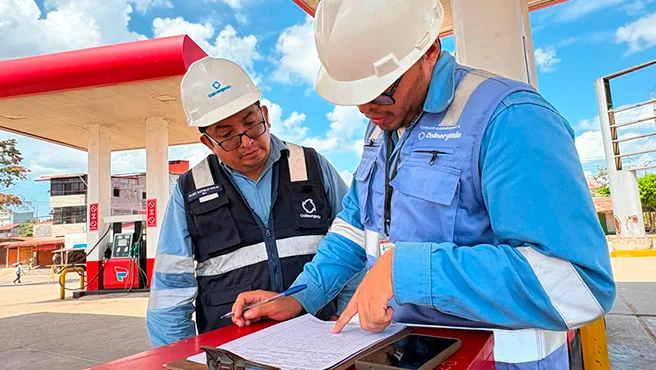
Pucallpa, Peru – August 10, 2026 – In a concerted effort to ensure the consistent availability of vital fuel resources for the citizens of Ucayali, the Organismo Supervisor de la Inversión en Energía y Minería (Osinergmin) conducted a comprehensive sweep of fuel stations across Pucallpa on August 10th. This operation, which involved the inspection of 63 service stations, is part of a sustained and intensified oversight campaign that commenced on July 30th, aiming to bolster the region’s fuel supply chain and safeguard consumer access.
The recent surge in Osinergmin’s vigilance underscores a proactive approach to potential disruptions, particularly in light of escalating demand and persistent logistical challenges that threaten the steady flow of gasoline and diesel. The agency’s multifaceted inspections are designed not only to verify product availability but also to ensure strict adherence to price reporting regulations, promoting transparency and consumer confidence in a market susceptible to fluctuations.
Osinergmin’s Extensive Operational Sweep
The August 10th operation saw Osinergmin’s inspection teams actively monitoring 63 service stations within the Pucallpa metropolitan area. During daylight hours, 48 stations were scrutinized across the districts of Callería, Manantay, and Yarinacocha. The findings revealed a mixed operational landscape: 20 stations reported the availability of two or more fuel types, indicating a healthy stock. Another 10 stations were found to be dispensing a single product, such as diesel B5, regular gasoline, premium gasoline, or bulk LPG. However, a significant observation was that 18 stations were closed at the time of inspection. Of these closed establishments, two were found to possess available fuel, suggesting potential operational issues or decisions not directly related to stock levels.
The agency extended its oversight into the night, conducting a supplementary inspection of 15 service stations. This nocturnal survey yielded a starker picture, with 14 of these stations found to be closed, further highlighting potential challenges in maintaining round-the-clock fuel accessibility for the public.
Critical Stock Levels and Logistical Bottlenecks
Beyond the immediate retail points, Osinergmin also focused its attention on the regional fuel distribution hub. A critical assessment of the Pucallpa sales plant revealed that existing stock levels provided an estimated buffer of 5.7 days for regular gasoline and 4.6 days for diesel B5. This reserve is comprised of fuel held in tanks at the plant, in cisterns stationed on-site, in waiting cisterns in parking areas, and within units in transit.
However, Osinergmin issued a stark warning: these vital stock levels are precariously vulnerable to further depletion should the ongoing blockade of the Federico Basadre highway persist. This crucial arterial route is the primary conduit for the ingress of new fuel tankers into the region. Any continued obstruction directly impedes the replenishment of reserves, exacerbating the existing supply situation and threatening to create widespread shortages.
Escalating Demand and Market Dynamics
Adding another layer of complexity to the fuel supply scenario, Osinergmin noted a discernible increase in the demand for fuel directed towards service stations and retail outlets in the preceding days, specifically on August 7th and 8th. This uptick in consumption, coupled with potential supply chain disruptions, places additional strain on the existing inventory and underscores the urgency of maintaining uninterrupted logistical operations.
Osinergmin’s Mandate and Enforcement
The core objective of Osinergmin’s rigorous supervision is to meticulously monitor fuel inventories and track the evolving dynamics of supply across the Ucayali region. The agency reiterated its commitment to enforcing regulatory compliance, stating that it will initiate sanctioning procedures against any service stations found to be failing in their obligation to report updated fuel prices. This commitment to transparency and accurate pricing information is paramount for ensuring fair market practices and empowering consumers to make informed purchasing decisions.

Navigating the Free Market: Osinergmin’s Role in Fuel Pricing
It is crucial to understand Osinergmin’s position concerning the pricing of fuels within Peru. The agency explicitly clarified that fuel prices are determined under a free market regime. Osinergmin does not, therefore, set or regulate the retail prices of fuels sold to the public. Instead, its supervisory role is focused on ensuring that all retail outlets diligently report their current prices and that this pricing information is readily accessible and transparent to all consumers.
To facilitate this transparency and empower consumers, Osinergmin provides a valuable, free mobile application nationwide known as "Facilito." This user-friendly tool serves as a comprehensive resource, enabling individuals to locate the nearest service stations, compare prices across different establishments, and ultimately identify the most advantageous purchasing options.
The "Facilito" application empowers consumers to play an active role in market oversight. If a consumer encounters a discrepancy between the price displayed at a service station and the price registered on the "Facilito" platform, they are encouraged to report this immediately through the application. Alternatively, consumers can contact Osinergmin’s toll-free hotline at 1840 to file their reports. These consumer-driven reports are invaluable to Osinergmin in identifying potential non-compliance and addressing any market irregularities promptly.
The Looming Threat of Supply Chain Interruption
Osinergmin’s cautionary statements regarding the Federico Basadre highway blockade highlight a critical vulnerability. The agency has emphasized that in scenarios where security concerns jeopardize the safe transportation and delivery of fuel to service stations, the dispatch of fuel from the Pucallpa sales plant could be halted. Such a scenario would inevitably lead to a severe exacerbation of the existing supply challenges, potentially resulting in widespread fuel shortages across the region.
The implications of such a disruption are far-reaching. Fuel is the lifeblood of commerce, transportation, and essential services. A sustained shortage would cripple economic activity, impede emergency response efforts, and significantly impact the daily lives of Ucayali’s residents. The reliance on the Federico Basadre highway as the sole major access route for fuel deliveries underscores the strategic importance of maintaining its unimpeded flow.
Osinergmin’s Commitment to Ongoing Oversight
Looking ahead, Osinergmin has pledged to maintain its vigilant monitoring of fuel availability throughout Ucayali. The agency will continue to scrutinize the adherence of market actors to their regulatory obligations. This ongoing commitment is essential for building resilience within the fuel supply chain and ensuring that the citizens of Ucayali can depend on a consistent and accessible supply of essential energy resources. The agency’s proactive stance and willingness to engage with consumers through tools like "Facilito" signal a dedication to fostering a transparent and reliable fuel market for the benefit of all.
The current situation in Ucayali serves as a stark reminder of the interconnectedness of infrastructure, logistics, and the provision of essential services. Osinergmin’s intensified oversight is a critical component in navigating these complexities and safeguarding the region’s energy security. The agency’s continued efforts, coupled with public vigilance and the unimpeded flow of critical transportation routes, will be paramount in ensuring a stable fuel supply for the foreseeable future.