The Ministry of Transport and Communications (MTC) of Peru has launched an ambitious, comprehensive roadmap designed to reshape the nation’s logistical landscape. In a detailed presentation before the Congressional Commission on Infrastructure, Housing, and Transport, Deputy Minister of Transport Gabriela Carrasco Carrasco outlined a series of strategic interventions aimed at resolving decades-old bottlenecks, optimizing internal and external trade, and cementing Peru’s role as a regional economic powerhouse.
At the heart of this strategy is the "Plan for Logistics Services and Infrastructure," a roadmap that identifies 41 critical logistics corridors across the country. Recognizing a staggering infrastructure gap exceeding S/ 90 billion, the MTC has developed a framework centered on five strategic pillars and 20 specialized programs. These initiatives are not merely conceptual; they are intended to integrate 30 logistics platforms, 50 "track centers," and specialized consolidation hubs, all supported by 25 regional plans that bridge the gap between road, maritime, rail, and air transport.
The Core Mandate: Destrabbing and Modernization
The primary challenge facing the current administration is the legacy of stalled infrastructure projects, many of which have been trapped in bureaucratic or legal limbo for 5 to 15 years. Deputy Minister Carrasco emphasized that the MTC’s current mission is to "destrabar" (unlock) these projects, transforming them from dormant liabilities into active drivers of economic growth.
Key Road and Urban Bypass Initiatives
One of the most significant announcements concerns the connectivity around the new Chancay Megaport. To accommodate the expected surge in trade, the MTC is incorporating specific infrastructure works into the Red Vial 5 project. This includes a new bypass (Vía de Evitamiento) designed to divert heavy cargo traffic away from the urban center of Chancay. This move is expected to improve the quality of life for 5 million citizens while ensuring the efficient flow of goods to the port.

Similar logic is being applied across the country:
- Red Vial 6: The expansion of a third lane between Pucusana and Cerro Azul (km 58 to km 132) is currently underway, aiming to ease the congestion of the Panamericana Sur.
- Autopista del Sol: The construction of the Pacasmayo Bypass is a top priority, projected to shave an hour off travel times and mitigate the urban congestion that currently plagues the route.
- Northern Connectivity: The Chiclayo and Paiján bypasses are being fast-tracked. The Chiclayo project, in particular, will divert heavy traffic away from the city center, directly benefiting over 2 million residents.
Regional Developments: From the Andes to the Coast
The MTC’s strategy acknowledges that national connectivity cannot be limited to the coastal hubs. The "Longitudinal de la Sierra" highway (Tramo 2) has seen a vital injection of S/ 100 million, with work already underway to rehabilitate 33 kilometers of critical road surface.
In the southern regions, the IIRSA Sur corridors are undergoing a transformation:
- Cusco and Choquequirao: New access roads to the Choquequirao Archaeological Park are being finalized, alongside the development of urban highways in Cusco to improve local logistics.
- The "Alpaca Route": Improvements to the Macusani–Nuñoa section of the IIRSA Sur (Tramo 4) are bolstering regional trade, while the Arequipa double-lane expansion and the Matarani highway project (Tramo 5) are specifically designed to optimize trade logistics for the port of Matarani.
- Resilience in the North: In the IIRSA Norte corridor, the MTC is constructing a new variant near the Aserradero zone, shifting the route to geologically stable ground—a necessary precaution following the devastating impacts of the 2021 earthquake.
Transforming Urban and Aerial Mobility
The MTC is not solely focused on highways. The integration of urban public transport and the modernization of air terminals are critical components of the national strategy.

Advancing the Lima Metro
The Lima Metro system, a vital lifeline for millions of commuters, is undergoing significant operational upgrades:
- Line 1: Through the execution of new investment addenda, the MTC expects to reduce the interval between trains from 3 minutes to just 2 minutes. This 33% increase in frequency is projected to drastically reduce overcrowding in stations during peak hours.
- Line 2: The MTC is working closely with the concessionaire to accelerate the operational readiness of Stage 1B, which will connect Ate to Plaza Bolognesi, marking a major milestone for underground transit in the capital.
Modernizing Air Infrastructure
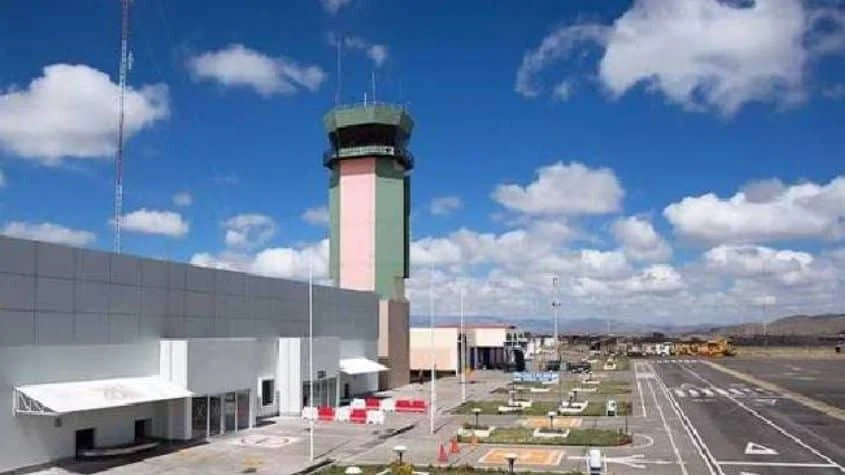
The MTC’s aerial strategy focuses on capacity and safety. The most notable update concerns the Juliaca Airport. Having recently submitted the necessary environmental management instruments, the ministry has authorized a USD 200 million investment for runway upgrades. These works are expected to commence immediately, with a further S/ 100 million allocated for terminal passenger optimization beginning in November.
Supporting Data and Financial Scope
The scale of this infrastructure push is massive. The S/ 90 billion funding gap represents a historical accumulation of underinvestment, which the MTC intends to close through a mix of public investment, private concessions, and streamlined regulatory frameworks.
| Project Category | Estimated Impact | Primary Objective |
|---|---|---|
| Logistics Corridors | 41 Routes Identified | Efficiency in cargo movement |
| Urban Bypasses | >7 Million Beneficiaries | Reduced urban congestion |
| Rail Upgrades | 33% Efficiency Gain | Transit capacity (Line 1) |
| Air Infrastructure | USD 200M Investment | Runway/Terminal modernization |
Official Responses and Strategic Implications
During the session at the Congress of the Republic, members of the Commission on Infrastructure expressed support for the MTC’s "destrabe" agenda. The consensus among legislators and ministry officials is that the "cost of inaction" far outweighs the complexity of these projects.

Deputy Minister Carrasco emphasized that these projects are not just about asphalt and steel; they are about economic integration. "By connecting our logistics platforms to our ports and airports, we are lowering the cost of doing business in Peru," she noted. The integration of the "Alpaca Route" and the improvements to the Matarani and Chancay port accesses are expected to increase the competitiveness of Peruvian exports in the global market, particularly in the agricultural and mining sectors.
Chronology of Progress
- 2021: Earthquake damage prompts the planning of the Aserradero variant (IIRSA Norte).
- 2024 (Present): MTC presents the 41-corridor strategy to Congress; work resumes on the Longitudinal de la Sierra.
- October 2026: Commencement of runway improvements at Juliaca Airport.
- November 2026: Start of terminal optimization at Juliaca.
- 2027 and Beyond: Phased completion of bypasses (Chancay, Chiclayo, Pacasmayo) and the full integration of the Line 2 Metro stages.
Implications for the Future
The implications of this infrastructure overhaul are profound. For the average Peruvian, the reduction in travel times and the removal of heavy, polluting, and dangerous cargo traffic from city centers will represent a significant improvement in quality of life. For the business sector, the efficiency gains in the logistics chain will reduce the "Peru discount," making local products more competitive in international markets.
The MTC’s focus on long-term sustainability—evidenced by the geologically secure bypasses and the commitment to environmental management for airport projects—suggests a more mature approach to infrastructure development. As the ministry moves from planning to execution, the success of these projects will depend on the continued ability of the government to navigate legal complexities and maintain the trust of private concessionaires.
In conclusion, the roadmap presented by the MTC signals a definitive shift toward a more connected, efficient, and resilient Peru. With over 40 corridors under review and billions of soles in investment mobilized, the country stands at a critical juncture in its developmental trajectory. The coming months will be decisive as these projects move from legislative announcements to physical reality on the ground.