Executive Summary: A Strategic Response to Climate Uncertainty
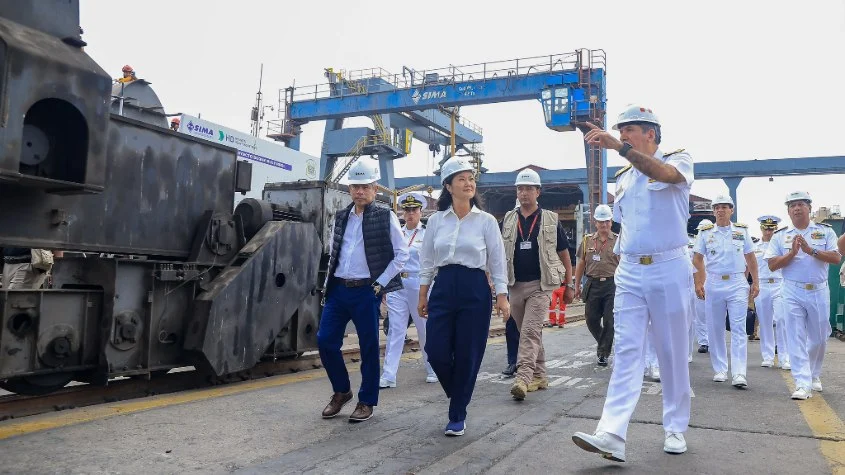
In a proactive move to safeguard the Peruvian coastline against the anticipated impact of the El Niño phenomenon, President Keiko Fujimori conducted a high-level inspection of the Navy’s operational and logistical readiness at the Callao Naval Base. With meteorological projections indicating a heightened risk of severe rainfall and natural disasters beginning in mid-November, the Peruvian government has authorized the deployment of a specialized naval task force.
The operation, centered on the strategic utilization of the B.A.P. Paita and its supporting fleet, represents a significant escalation in the nation’s disaster management capabilities. By integrating maritime logistics, humanitarian aid capacity, and inter-ministerial coordination, the administration aims to mitigate the potential devastation that climate-driven emergencies often inflict upon vulnerable coastal communities.
Chronology of Preparedness: From Planning to Deployment
The decision to mobilize the fleet follows weeks of intensive coordination between the Executive branch and the Peruvian Navy (Marina de Guerra del Perú).
- Initial Assessment (Early Q4): Military and meteorological experts identified the window between November and early next year as the period of highest risk for intense precipitation.
- Operational Inspection (Present Day): President Fujimori, accompanied by the Prime Minister and key cabinet members, inspected the physical assets and logistical chains at the SIMA (Servicios Industriales de la Marina) facility.
- Deployment Commencement (Mid-November): The naval task force is scheduled to position itself along the Peruvian littoral, ensuring a rapid-response capability is permanently stationed in proximity to high-risk zones.
- Proactive Maintenance (Ongoing): Simultaneous to the El Niño preparations, the Navy is continuing the maintenance of vessels such as the Talara and Chimbote to ensure full operational longevity.
Supporting Data: The Naval Task Force Profile
During the briefing aboard the B.A.P. Paita, Admiral Javier Bravo de Rueda, Commander General of the Navy, detailed the composition of the five-vessel fleet. These ships have been selected specifically for their versatility in disaster relief and logistics.

The Five-Vessel Primary Response Unit
- B.A.P. Pisco: An amphibious landing platform dock, essential for transporting heavy machinery and relief supplies to areas where port infrastructure may be damaged.
- B.A.P. Paita: The sister ship to the Pisco, serving as a mobile command center and logistics hub.
- B.A.P. Tacna: A critical logistics support ship, boasting high-capacity transport capabilities to sustain prolonged humanitarian operations.
- Two Medium-Range Logistic Vessels: These units act as the "workhorses" of the fleet, facilitating short-haul deliveries and maneuvering in shallower coastal waters.
These vessels are equipped with medical facilities, aircraft hangars, and deck space for amphibious transport, allowing for the rapid deployment of medical personnel and humanitarian aid to isolated areas.
Official Responses and Strategic Coordination
The success of this operation relies heavily on the synergy between the Ministry of Defense, the Ministry of Development, and the Prime Minister’s office.
President Fujimori emphasized the importance of the logistical notes taken by Minister Marco Vinelli, who is leading the dedicated commission for El Niño response. "The coordination with Admiral Bravo has been essential," the President stated. "We are bridging the gap between planning and execution. While there are logistical nuances to address, our primary objective is to ensure that no coastal region remains unreachable when the rains intensify."
Prime Minister Luis Galarreta and Defense Minister Rafael Belaunde were present to confirm that the government has earmarked necessary funding to ensure that these vessels are fully stocked with fuel, medical supplies, and emergency rations. The administration has positioned this naval deployment as the "first line of defense," prioritizing the protection of human life and infrastructure.

Implications for National Development and Maritime Security
Beyond the immediate emergency response, the government’s visit to the SIMA shipyards highlights a broader vision for Peru’s maritime industry.
Strengthening the Industrial Base
The inspection of the SIMA Callao facilities was not merely a military check; it was an acknowledgment of Peru’s growing industrial capacity. By investing in the maintenance and repair of the Talara and Chimbote, the government is fostering a domestic industry capable of sustaining a modern fleet.
The Pacific Pivot
President Fujimori articulated a long-term goal for the nation: transforming Peru into the primary naval hub of the South Pacific. By building internal expertise in shipbuilding and repair, Peru reduces its dependency on foreign contractors and ensures that its fleet remains operational through its own technological merits. This capability is dual-purpose—it serves national defense needs while simultaneously fueling economic growth in the port sectors of Callao and beyond.
Security and Surveillance
The President also toured the Maritime Traffic Control Center, reinforcing the importance of situational awareness. Vigilance is key to maintaining the safety of commercial shipping lanes, which could be disrupted by extreme weather. The government’s integrated approach—combining disaster readiness with maritime security—ensures that the economy remains resilient even under the pressure of climate-induced volatility.

Conclusion: A Resilient Strategy for an Uncertain Future
As the country prepares for the inevitable arrival of the El Niño phenomenon, the mobilization of the Navy acts as a pillar of national stability. By utilizing high-capacity vessels to form a maritime lifeline, the government demonstrates a shift toward more robust, proactive governance.
The integration of the B.A.P. Paita and its associated fleet into the disaster response framework provides the necessary agility to handle the unpredictability of climate change. Whether it is through the delivery of humanitarian aid, the evacuation of stranded populations, or the maintenance of supply lines, the Navy stands ready to perform its duty.
As the mid-November deadline approaches, the coordination between the Office of the President, the military leadership, and the various ministerial bodies remains a critical indicator of the nation’s overall preparedness. With the hardware in place and the logistical plans solidified, the government has sent a clear message: Peru will not be caught off guard, and the protection of its citizens remains the highest priority in the face of environmental challenge.
The upcoming months will serve as the true test of this strategic alignment, as the government continues to refine its response protocols and solidify its position as a maritime leader in the region. Through investment, preparation, and decisive action, the administration is building a framework that not only addresses the immediate crisis but also fortifies the nation’s long-term resilience against the challenges of the 21st century.