In a significant move to bolster the operational resilience of Peru’s mining industry, Metso has officially launched local production of screen media (mallas para zarandas) at its state-of-the-art facility in the Vulcano Industrial Zone, Lima. This development marks a pivotal shift in how the company supports its regional clientele, moving from a traditional supply-chain model to a more agile, localized manufacturing approach. By integrating advanced injection molding technology into its existing mill lining plant, Metso is poised to drastically reduce lead times and enhance the customization capabilities available to mining operations across the country.
Core Strategic Shift: Bringing Manufacturing Closer to the Pit
For years, the mining sector in Peru has contended with the complexities of global logistics. The ability to source mission-critical components like screen media—essential for the classification and processing of minerals—directly from a domestic hub represents a massive efficiency gain.
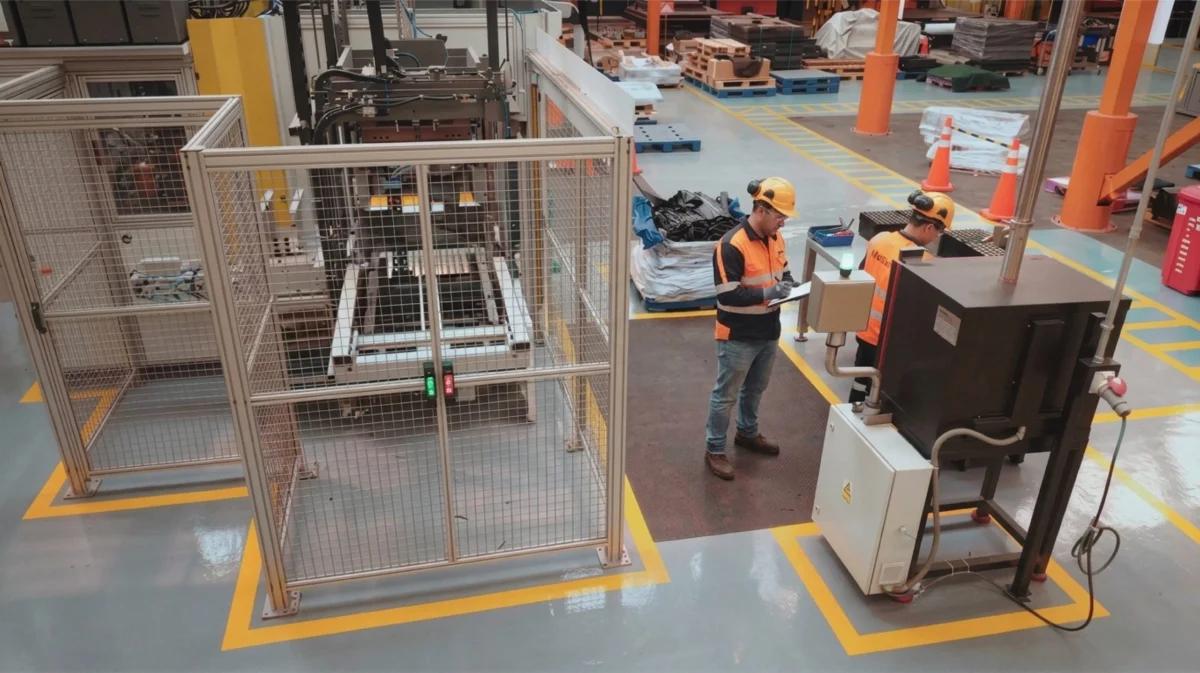
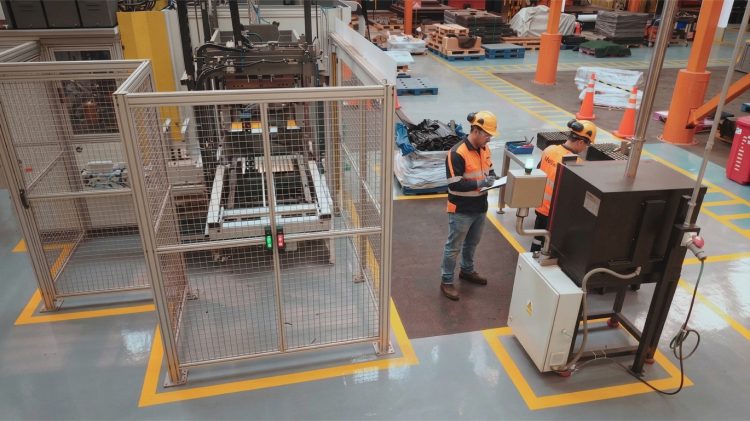
The production expansion centers on the company’s established factory in Lima, which has served as a cornerstone of Metso’s regional operations for over a decade. By adding a high-capacity injection molding machine, Metso is now capable of producing bespoke PS screen panels locally. This move is not merely a logistical upgrade; it is a fundamental reconfiguration of Metso’s value proposition in South America, prioritizing proximity to the client’s operational challenges.
Chronology: From Regional Hub to Manufacturing Powerhouse
The journey to this local manufacturing milestone has been characterized by steady, strategic growth:
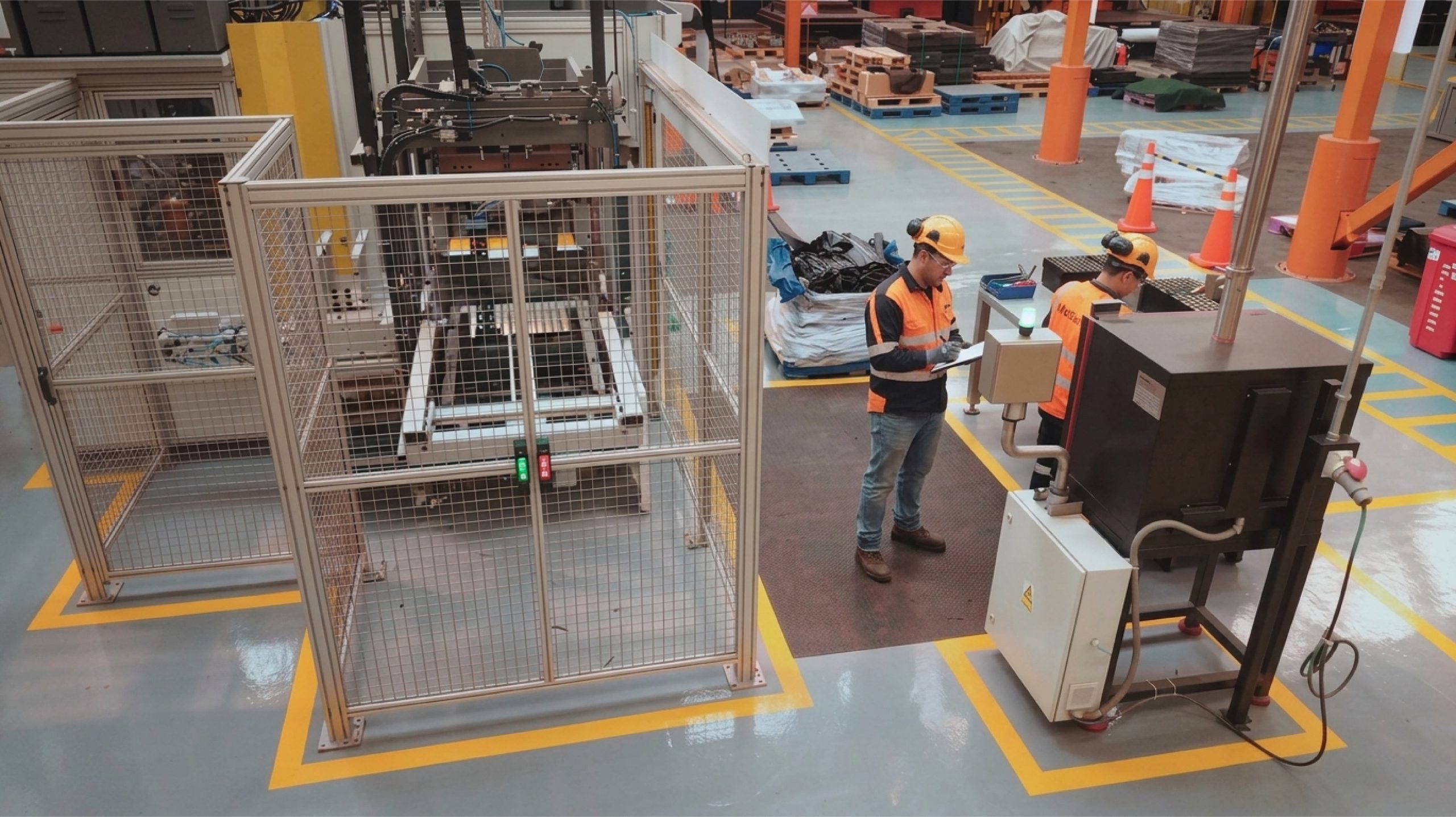
- Foundation Phase (The Past Decade): Metso established its Mill Lining factory in the Vulcano Industrial Zone in Lima. Over the last ten years, this facility has consistently evolved from a service and distribution center into a robust regional manufacturing hub.
- Infrastructure Investment (Early 2026): Recognizing the rising demand for high-performance screen media, Metso initiated the procurement and installation of a specialized industrial injection molding unit.
- Operational Integration (Mid-2026): The machine was calibrated and integrated into the existing workflow, ensuring that the new production lines met the stringent safety and environmental standards inherent to Metso’s global operations.
- Quality Validation (Late 2026): Extensive testing protocols were implemented through the company’s internal material science and quality control laboratory to ensure that locally produced panels matched the mechanical properties of those produced in international plants.
- Initial Deployment (Present): The first batches of screen media were delivered to a major mining client in the central-northern region of Peru, marking the successful transition from pilot testing to full-scale operational output.
Supporting Data: Precision Engineering at Scale
Metso’s new production line is designed to balance high-volume output with the precision required for diverse mineral processing environments. The technical specifications of the local output are as follows:
- Annual Capacity: The plant is equipped to manufacture over 28,000 panels annually, providing a steady supply stream to meet the continuous maintenance cycles of major mining sites.
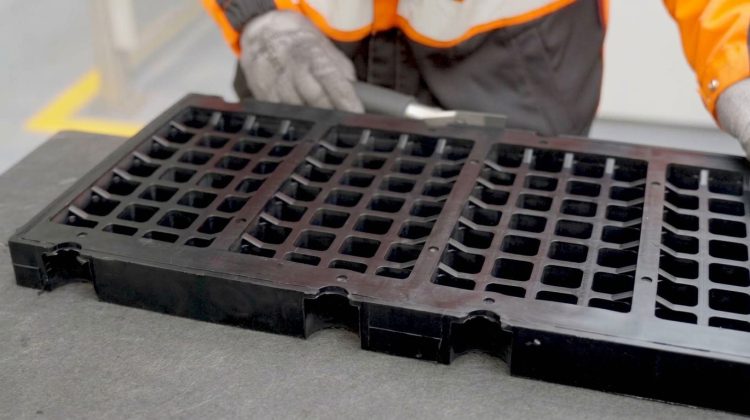
- Standardized Formats: The panels are manufactured in widely used industry formats, specifically 1 x 1 and 1 x 2 feet, ensuring compatibility with existing screening equipment.
- Material Durability: Utilizing rubber injection presses, the products are available in 40 and 60 Shore hardness levels. These materials are specifically engineered to provide superior resistance to high-impact abrasion and wear—the two primary failure modes for screen media in the harsh mining environment of the Andes.
- Customization: Beyond the standard formats, the facility provides the flexibility to adjust specifications based on the unique ore characteristics and particle size distribution requirements of specific mining clients.
Official Perspectives: The Value of Proximity
Jesús Azambuja, the manager of Metso’s mill lining factory in Peru, emphasizes that this initiative is rooted in the philosophy of operational partnership.
"This new capability allows us to bring manufacturing to the very location where our clients face their daily operational challenges," says Azambuja. "By reducing geographical distance, we are not just shipping parts; we are providing solutions that are available precisely when the operations need them. We want this proximity to translate into tangible flexibility, allowing us to adapt to the specific conditions of each mine while maintaining the global quality standards associated with the Metso brand."
Azambuja further underscored the importance of the internal testing regime. "For us, it is fundamental that the development of local capacities goes hand-in-hand with the same quality standards we apply globally. Our onsite laboratory allows us to verify the characteristics and performance of every batch, ensuring that the client receives a locally manufactured product with the exact level of reliability and consistency they expect from Metso."
Implications for the Peruvian Mining Ecosystem
The introduction of this local manufacturing capacity has several profound implications for the mining industry in Peru:
1. Enhanced Operational Availability
In mineral processing, a broken screen is a bottleneck. By localizing production, Metso reduces the "time-to-site" for replacement parts. This availability is a critical lever for mine managers looking to maximize their "Mean Time Between Failures" (MTBF) and minimize unplanned downtime.
2. Supply Chain Resilience
Global supply chains remain vulnerable to geopolitical instability and shipping delays. Domestic production insulates Peruvian miners from these external shocks. If a mine faces an urgent requirement due to a change in ore hardness or an unforeseen mechanical issue, the local Lima facility acts as an immediate safety net.
3. Sustainable Manufacturing
Reducing the distance that heavy industrial components must travel to reach the mine site has a secondary benefit: the reduction of the operation’s carbon footprint. By consolidating production within the country, Metso aligns itself with the growing industry-wide shift toward more sustainable, localized mining supply chains.
4. Technical Collaboration
The presence of a local manufacturing hub enables a tighter feedback loop between the client and the manufacturer. As Metso engineers work closer to the mine sites, they gain deeper insights into the performance of their materials under local conditions. This data-driven approach allows for the iterative improvement of product design, leading to more efficient screening and better overall recovery rates for the mining companies.
Looking Ahead: A Model for Regional Expansion
As Metso continues to service current clients in the central-northern regions and begins trials for other major mining entities, the success of this initiative will likely serve as a blueprint for the company’s operations elsewhere in the Americas.
The Vulcano factory is now more than just a production site; it is a technological partner. By combining the agility of a local workshop with the intellectual and mechanical capital of a global technology leader, Metso is reinforcing its commitment to the Peruvian market. As the mining industry continues to demand higher efficiency, lower costs, and increased sustainability, the move toward "local-for-local" manufacturing is proving to be the most viable path forward for industry leaders.
For the miners of Peru, this signifies more than just a new source of parts—it represents a future where the constraints of geography are removed, allowing for a more seamless, responsive, and productive era of mineral extraction.