The mining industry stands at a critical juncture, balancing the insatiable global demand for energy-transition metals with the urgent necessity for environmental stewardship. In this context, the Quiulacocha Project has emerged as a beacon of innovation, representing a paradigm shift in how the industry approaches historical mining liabilities.
Managed by Cerro de Pasco Resources and championed by its General Manager, Manuel Rodríguez Mariátegui, the project is no longer viewed merely as an environmental challenge, but as a strategic asset. By applying modern metallurgical technologies to century-old tailings, the initiative aims to recover critical minerals while simultaneously executing large-scale environmental remediation. As the mining sector gathers for the upcoming International Congress on Water and Tailings (Aguas y Relaves 2026), the Quiulacocha model is being touted as the blueprint for a new era of circular mining.
The Genesis of a Circular Mining Model
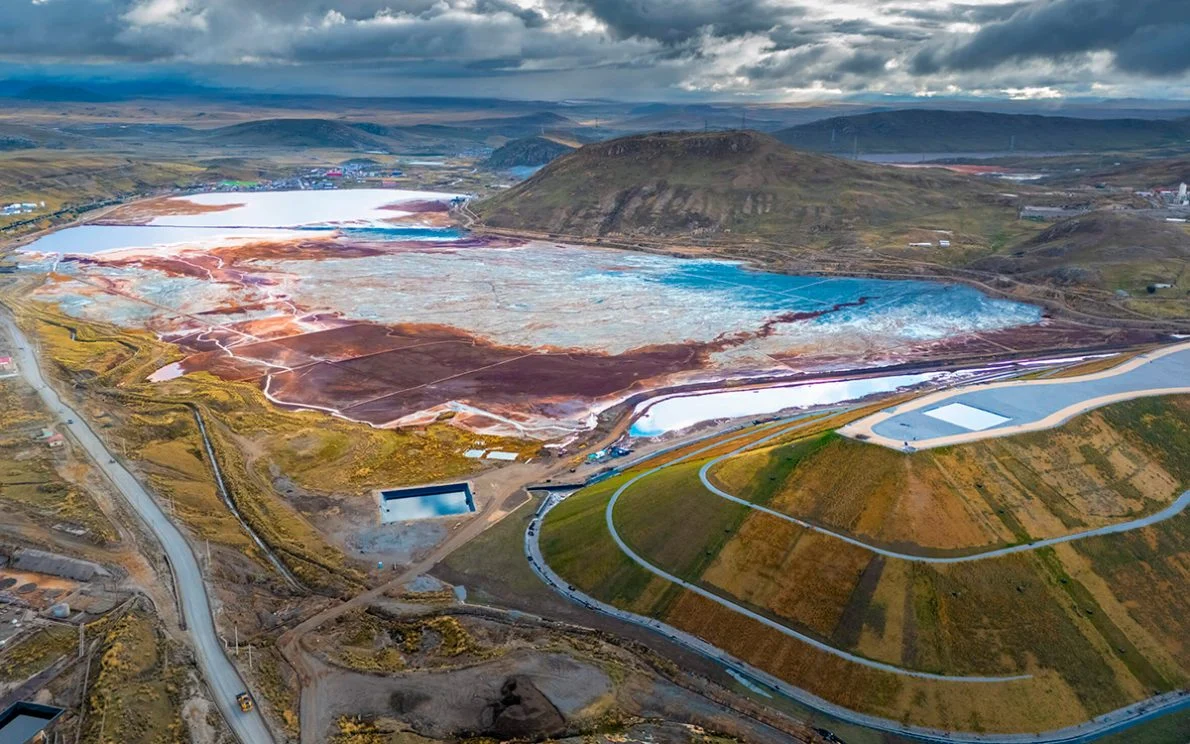
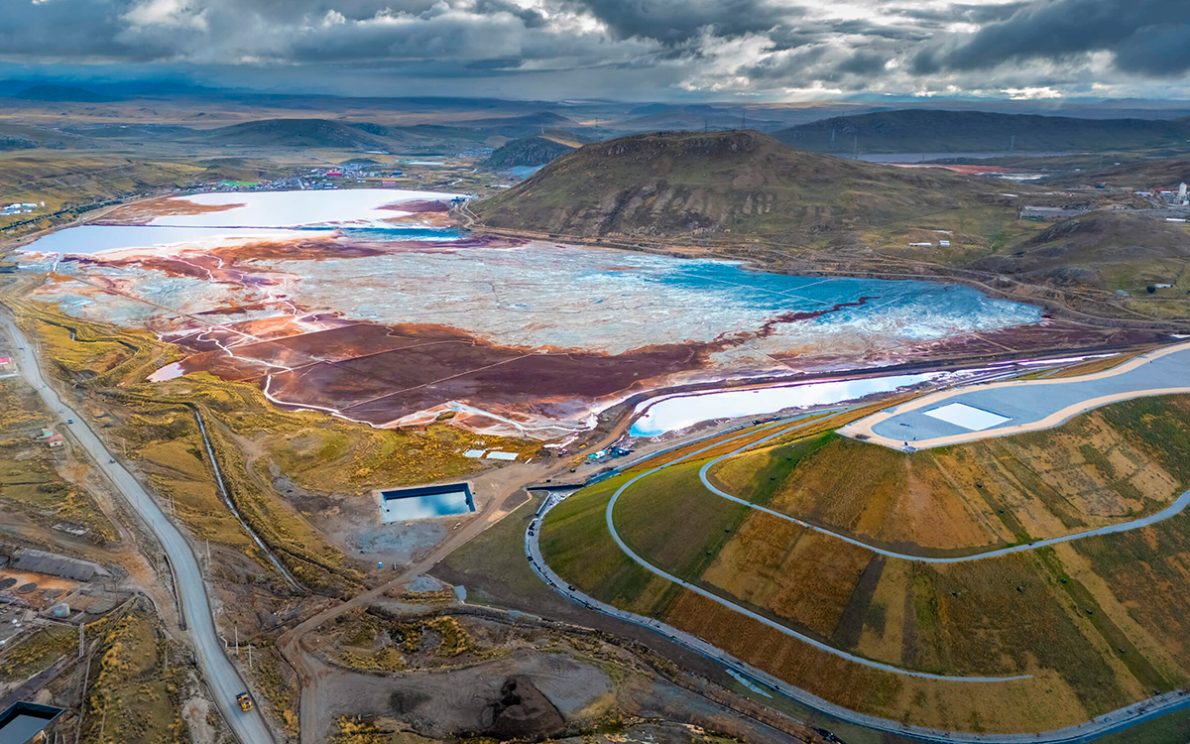
For over a century, the city of Cerro de Pasco has been the heart of Peru’s mining industry. This intense industrial history, however, left behind significant volumes of tailings—residual material from past mining processes—that have long been considered hazardous environmental liabilities.
The Quiulacocha tailings storage facility is one of the most significant of these historical deposits. Rather than treating this area as a static environmental risk, Cerro de Pasco Resources has pioneered an approach centered on "re-mining." This process involves the extraction, reprocessing, and final stabilization of the material. By doing so, the company intends to capture residual values that were technologically inaccessible during the initial extraction periods of the 20th century.
"The Quiulacocha Project represents one of the most emblematic cases of tailings reprocessing in Peru," says Manuel Rodríguez Mariátegui. "It is a historical deposit accumulated over more than a century that still contains significant volumes of silver, zinc, copper, lead, gold, and critical minerals like gallium and indium—elements currently in high demand for the technological industry and the energy transition."
A Chronology of Transformation
The journey of the Quiulacocha Project is a testament to the evolution of environmental policy and technical capability in Peru:
- 1900s – 1990s: The era of primary extraction. Tailings were deposited in the Quiulacocha basin with little to no focus on modern containment or potential for future reprocessing.
- Early 2000s: Recognition of the environmental impact. The area is identified as a priority for remediation, but the cost of traditional containment remains prohibitively high for the State and private stakeholders.
- 2020 – 2023: Conceptualization of the "Circular Mining" approach. Cerro de Pasco Resources begins feasibility studies, identifying the potential to link environmental remediation with mineral recovery.
- 2024 – 2025: Strengthening of the stakeholder framework. Negotiations and collaborative agreements are established between the company, the Quiulacocha peasant community, the Ministry of Energy and Mines (MINEM), and Activos Mineros.
- 2026: The project moves to the forefront of the national agenda, becoming a central case study at the International Congress on Water and Tailings, signaling a shift toward large-scale implementation.
Supporting Data: Why Tailings Matter
The economic and environmental rationale for the Quiulacocha Project is supported by compelling data regarding the content of these historical deposits.
The Demand for Critical Minerals
The global transition toward electric vehicles, renewable energy infrastructure, and advanced digital electronics has created a supply-demand gap for specific minerals. Gallium and indium, often found in trace amounts in historical zinc-lead tailings, are essential components in semiconductors and high-efficiency solar panels.
Economic Feasibility through Technology
Historically, tailings were discarded because the recovery rates for these minerals were insufficient to justify the cost of mining. Today, the situation is different. Advanced mineral processing techniques, including sophisticated flotation and leaching technologies, now allow for the profitable extraction of materials that were once considered "waste."
According to internal reports from the project developers, the sheer volume of material at Quiulacocha provides a "cushion" for economic viability. The project is not reliant on the volatile price of a single metal, but rather a basket of base and precious metals, providing a diversified revenue stream that offsets the operational costs of the remediation process.
Official Responses and Stakeholder Synergy
One of the most significant challenges in mining is not technical, but social. The success of Quiulacocha is anchored in a multi-stakeholder alliance that prioritizes transparency and shared objectives.
The Role of Government and Community
The project has required active participation from:
- The Ministry of Energy and Mines (MINEM): Providing the regulatory framework that permits the conversion of environmental liabilities into active mining assets.
- Activos Mineros (AMSAC): Ensuring that the remediation aspect—the cleaning of the area—remains a top priority alongside the commercial extraction.
- The Quiulacocha Peasant Community: A central partner whose cooperation is vital. Rodríguez Mariátegui emphasizes that "the relationship with the communities is a central element for success. We are not just mining a site; we are transforming the environment of a population that has lived with these liabilities for generations."
The Call for Transparency
Rodríguez Mariátegui stresses that "informing with transparency and explaining in a clear and simple way the actions of the project strengthens the relationship with the communities." This collaborative model is being presented as the new standard for social license in the Peruvian mining sector.
Implications: A New Era for Peruvian Mining
The implications of the Quiulacocha Project extend far beyond the borders of Cerro de Pasco. It provides a roadmap for the rest of the country, which hosts thousands of similar tailings facilities.
Scaling the Model
If the Quiulacocha model succeeds, it could trigger a wave of investment in "re-mining" across Peru. This would create a dual benefit:
- Environmental: The permanent removal and stabilization of toxic tailings, preventing heavy metal leaching into water tables.
- Economic: Providing a secondary source of income for mining regions, potentially extending the life of mining towns even after the primary underground or open-pit mines have reached the end of their lifecycle.
The Financial Market Perspective
The project has caught the attention of ESG (Environmental, Social, and Governance) investors. Because the project inherently links profit to the "clean-up" of the planet, it fits perfectly into the mandates of modern, responsible investment funds. The willingness of investors to back this project proves that there is capital available for ventures that solve environmental problems while generating value.
Preparing for the Future: Aguas y Relaves 2026
As the industry prepares for the International Congress on Water and Tailings 2026, scheduled for June 11th and 12th at the Hotel José Antonio Deluxe in Lima, the Quiulacocha Project will take center stage.
Organized by InterMet, this congress will serve as the primary platform for discussing:
- Advanced Water Governance: How mining operations can minimize their footprint on local water sources.
- Tailings Management: New safety protocols for modern storage and the decommissioning of old ones.
- Sustainability and Circularity: Shifting the industry from a "take-make-waste" model to a circular model where every ton of material is analyzed for potential value.
For industry professionals, the congress offers a unique opportunity to understand the technical requirements of such projects. For those interested in participating, sponsoring, or exhibiting, inquiries can be directed to the InterMet team at 987 975 959 or via their official communication channels.
About InterMet Peru
With over a decade of experience in high-level technical training, InterMet Peru continues to be the primary engine for knowledge transfer in the Latin American mining sector. As the organizers of both the upcoming Congress on Water and Tailings and the anticipated ExpoCobre 2028, InterMet is dedicated to pushing the boundaries of what is possible in mining innovation.
Conclusion: A Legacy of Responsibility
The Quiulacocha Project is more than a mining operation; it is a profound demonstration of the potential for human ingenuity to rectify past mistakes. By leveraging the convergence of new technology, international investment, and, most importantly, collaborative social engagement, Cerro de Pasco Resources is proving that the mining industry can be an agent of environmental restoration.
As Peru looks toward the future, the lessons learned at Quiulacocha will undoubtedly influence policy and operational practices for decades to come, ensuring that the wealth of the Andes is managed not just for the present, but for the long-term benefit of the planet and the people who call these mining regions home.