By Editorial Staff
As the calendar inches closer to the October 4th, 2026, Regional and Municipal Elections in Peru, the National Office of Electoral Processes (ONPE) has entered a critical phase of its operational timeline. With the printing of ballots and election materials now complete, the electoral body is shifting its focus to the monumental task of nationwide distribution.
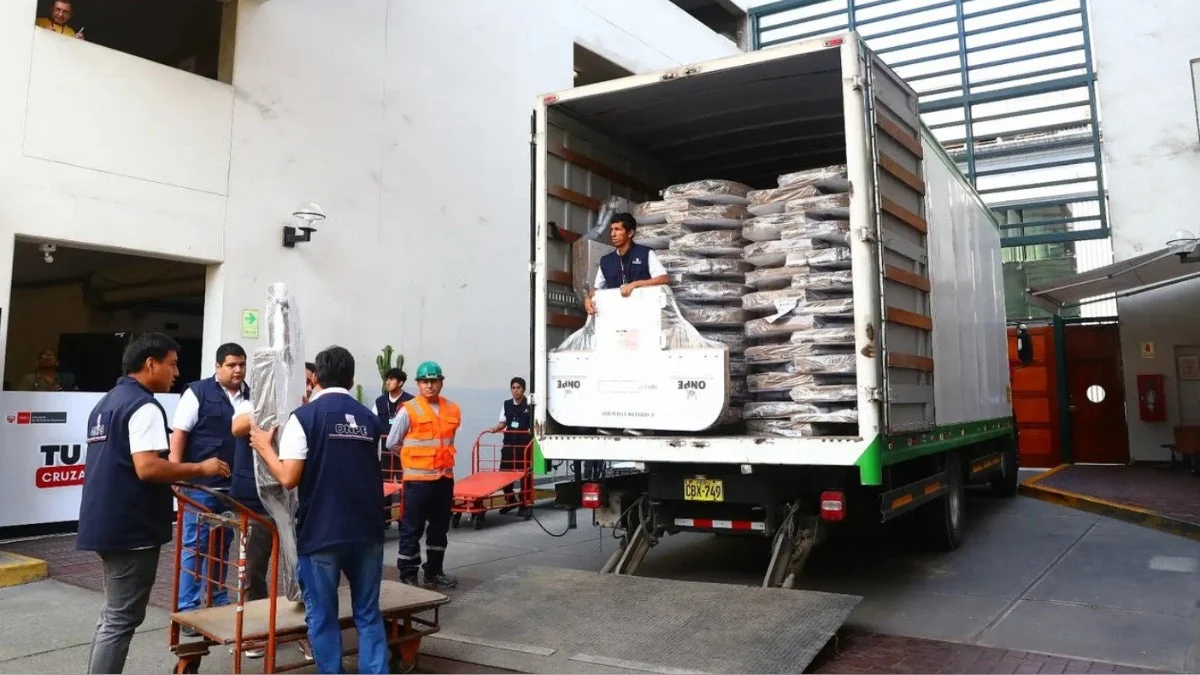
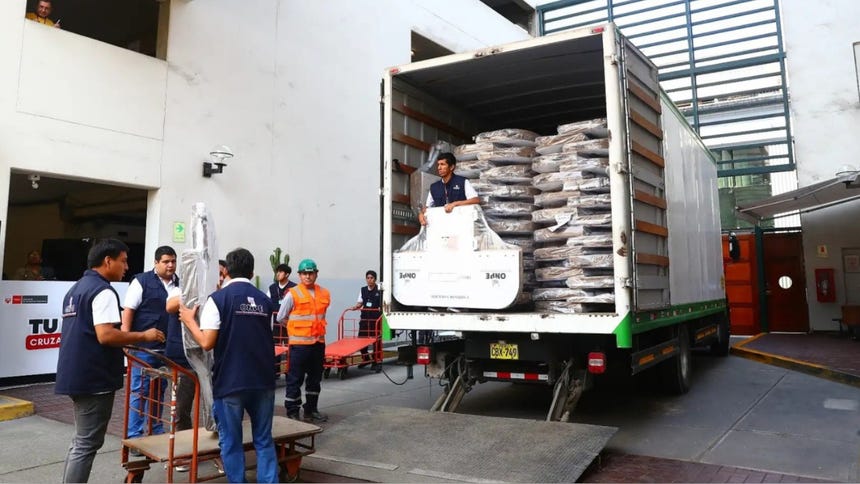
Bernardo Pachas Serrano, the interim head of the ONPE, confirmed in an exclusive interview with El Poder en tus Manos, the electoral coverage initiative by RPP, that this Friday, September 18, marks the official commencement of the logistics operation. Thousands of tons of materials, including ballots, electoral rolls, and specialized kits, will begin their journey from the central warehouses in Lurín to the 125 decentralized electoral offices (ODPE) spread across the country’s diverse geography.
The Logistics of Democracy: From Lurín to the Ballot Box
The sheer scale of the logistical effort required to support the 2026 elections cannot be understated. To ensure that each of the 89,935 polling stations is fully equipped by election day, the ONPE has mobilized a specialized workforce of 600 technicians. These specialists began the rigorous process of assembling election kits on September 14, working around the clock to ensure precision and security.
A Three-Tiered Material Strategy
The election kits are categorized into three primary functional groups, designed to facilitate a smooth voting process and a transparent counting procedure:
- Installation Kits: These contain the essential documents for opening a polling station, including the list of registered voters, official electoral records (actas), ballots, and comprehensive instructional manuals for the members of the polling boards.
- Supplies Kits: These include the fundamental tools for the voting process, such as pens, adhesive tapes, and specialized ink pads for fingerprint verification.
- Scrutiny Kits: These are arguably the most critical for election integrity, containing plastic envelopes for the secure transport of electoral records, protective laminates for results, and specialized envelopes for formal vote challenges.
Beyond these individual kits, the logistics teams are also responsible for distributing thousands of voting booths and ballot boxes (ánforas). Furthermore, the ONPE has implemented a robust contingency plan, preparing significant reserves of ballots and supplies to address any unforeseen emergencies or damaged materials at the local level.
Chronology of Preparations
The path to the October 4th elections has been meticulously planned by the ONPE. Understanding the timeline is essential for both voters and political actors involved in the process:
- January 7, 2026: Official convocation of the Regional and Municipal elections. This date set the clock for financial transparency requirements for all participating candidates.
- September 14, 2026: Initiation of the assembly of electoral kits by the 600-person team at the Lurín facility.
- September 18, 2026 (Original deadline): The deadline for political organizations to submit their first financial report regarding campaign income and expenditures.
- September 18, 2026 (New deadline): Extended deadline for financial reporting following system adjustments by the ONPE.
- September 18, 2026: Commencement of the nationwide distribution of electoral materials to the 125 decentralized offices.
- October 4, 2026: Election Day.
Financial Transparency: Addressing Systemic Challenges
While the logistics of distributing ballots are underway, the ONPE is simultaneously managing a major compliance issue regarding campaign finance. Political organizations are legally mandated to report their income and expenditures incurred between January 7 and September 5.
However, the reporting process hit a snag earlier this month. Due to technical difficulties in the data upload systems, many political organizations were unable to meet the original September 11 deadline. In a move aimed at ensuring fairness and complete transparency, the ONPE granted a one-week extension, pushing the final deadline to September 18.
The Imperative of Accountability
Bernardo Pachas Serrano addressed the situation with a firm call to action for all candidates. "We encountered some issues within our system, specifically during the data upload process," Pachas explained. "We believed it was fair and necessary to extend the deadline so that all candidates could fulfill their obligations. I urge all participants to report their accounts; it is essential to follow the rules and maintain transparency with the citizenry."
As of the latest data provided by the ONPE, the level of compliance remains a point of concern for electoral observers. Out of the 75 political organizations currently under the obligation to render their accounts, only 27 had successfully submitted their reports as of the latest update. This data gap is being closely monitored, as financial transparency is a cornerstone of the 2026 electoral process. The reporting requirement applies equally to digital submissions via the "CLARIDAD" financing portal and physical documentation submitted to the ONPE’s central or decentralized offices.
Public Outreach and the "Line 1" Initiative
In an innovative effort to reach the maximum number of citizens, the ONPE has forged a strategic alliance with the operators of the Lima Metro. During his announcement regarding the logistics, Pachas Serrano was present at the Line 1 depot, where two trains were officially unveiled featuring branding and information related to the upcoming elections.
This move is designed to reach the more than 600,000 daily passengers who utilize the metro system in the capital. By integrating QR codes and clear, actionable messaging directly into the daily commute of thousands of citizens, the ONPE hopes to bridge the information gap. The strategy is specifically designed to provide quick, accessible guidance for both first-time voters and designated members of polling boards, who often struggle to find clear information on their responsibilities.
Broader Implications for Peruvian Democracy
The 2026 Regional and Municipal Elections represent a crucial test for Peru’s democratic infrastructure. The successful distribution of material to 125 offices—many of which are located in remote, difficult-to-access regions—is a massive undertaking that serves as the backbone of the election. Any failure in this distribution chain could lead to delays in the opening of polling stations, which in turn risks disenfranchising voters and eroding public confidence in the electoral outcome.
Ensuring Integrity Through Logistics
The involvement of 600 specialists in the assembly phase is not merely a bureaucratic requirement; it is a security measure. By standardizing the kits and ensuring that every polling station in the country receives a consistent, high-quality set of materials, the ONPE is working to minimize the potential for irregularities. The inclusion of scrutiny kits and protective laminates is particularly vital, as these tools prevent the tampering of results during the count at the table level.
Furthermore, the emphasis on campaign finance reporting reflects a global shift toward stricter oversight of electoral funding. In a landscape where political influence is often tied to hidden financial backing, the ONPE’s insistence on compliance via the CLARIDAD portal serves as a deterrent against corruption. The extension of the deadline, while born from a technical necessity, underscores the agency’s commitment to an inclusive process where smaller parties, which may lack the digital infrastructure of larger ones, are not unfairly penalized.
Final Preparations
As the trucks begin to roll out from the Lurín facility this Friday, the ONPE enters the "point of no return." The focus now shifts from policy and planning to execution. The coming weeks will be characterized by intense coordination between the central office in Lima and the decentralized offices across the provinces.
The success of the 2026 elections will depend on the synthesis of these moving parts: the technological stability of the finance reporting systems, the physical security of the ballot distribution, and the clear communication strategy aimed at the average citizen. As the country prepares to cast its votes, the ONPE remains the silent sentinel of the process, ensuring that when the ballot boxes are opened on October 4, every voice has had the opportunity to be heard in a transparent and orderly environment.
Citizens are encouraged to visit the official ONPE portal or use the QR codes provided on public transportation to verify their polling stations and review their duties as members of polling boards, ensuring that the democratic exercise remains robust and participatory.