By International Affairs Desk
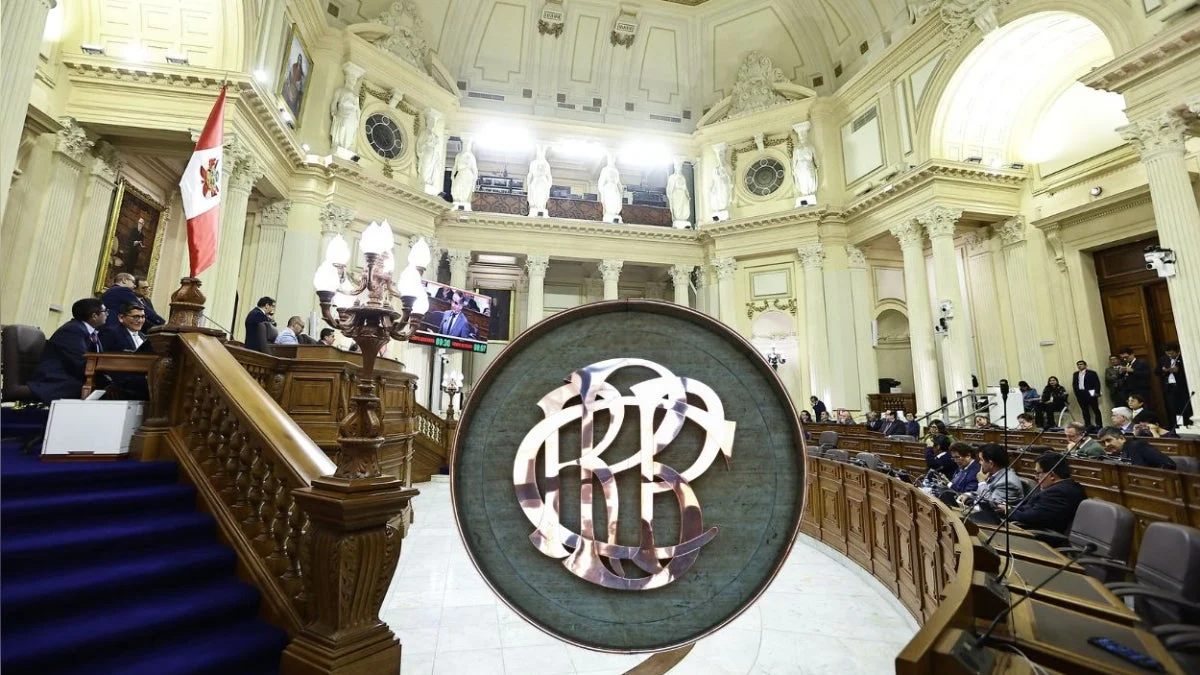
The Senate of the Republic of Peru has officially embarked on a high-stakes selection process to appoint three new members to the Board of Directors of the Central Reserve Bank of Peru (BCR). This legislative exercise, crucial for the nation’s macroeconomic governance, involves a competitive field of 12 candidates nominated by six parliamentary groups. The outcome will finalize the board’s composition for the 2026-2031 period, a tenure that will oversee critical inflationary control and monetary stability measures in an increasingly volatile global economic climate.
The Structural Framework of the BCR Board
The Banco Central de Reserva del Perú operates under a governance model designed to insulate it from short-term political pressures, emphasizing technical expertise and institutional autonomy. The board is composed of seven members, serving as the highest governing body of the institution.
According to the established framework, four members—including the Governor (President) of the Bank—are appointed by the Executive Branch. This year, President Keiko Fujimori has taken definitive steps to ensure continuity by ratifying Julio Velarde Flores for his fifth consecutive term. The Executive has also finalized its appointments via Supreme Resolution N° 250-2026-PCM, selecting Luis Miguel Palomino Bonilla, Inés Marylin Choy Chong, and Gustavo Adolfo Yamada Fukusaki to round out the administration’s representatives.
The remaining three seats are the responsibility of the Senate. These appointments are intended to provide a system of checks and balances, ensuring that the legislative body has a voice in the formulation of the country’s monetary policy, provided that the candidates possess the requisite academic rigor and professional experience in economics and finance.
The Field of Candidates: A Political and Technical Landscape
The Senate’s selection process has seen 12 candidates emerge from a diverse spectrum of six parliamentary groups: Renovación Popular, Buen Gobierno, Fuerza Popular, Juntos por el Perú, Ahora Nación, and Obras. While the names of specific nominees are currently under review by the Special Procedures Committee, the diversity of the proposing benches underscores the political significance of these seats.
The requirements for candidacy are rigorous. Beyond possessing a recognized career in finance or economics, candidates must demonstrate impeccable moral solvency and comply with the constitutional mandates and the Organic Law of the BCR. The Senate has emphasized that these criteria are not merely procedural; they are intended to act as a filter to ensure that only those with the intellectual gravitas required to manage the nation’s currency are considered.
Chronology of the Selection Process
The path to final appointment is governed by a strict, multi-stage timeline managed by the Special Procedures Committee, which was tasked with oversight starting September 3, 2026.
- Initial Submission (September 4–10): Parliamentary groups formally submitted their dossiers for the 12 candidates.
- Formal Verification (September 4–11): The committee conducted a comprehensive audit of the candidates’ paperwork to ensure all constitutional and legal requirements were met.
- Academic and Professional Evaluation (September 11–18): Currently underway, this phase involves a deep dive into the candidates’ backgrounds, including their research, published works, and past performance in both public and private sector economic roles.
- Personal Interviews (September 22–24): Candidates will face a series of interviews with the committee. These sessions are designed to assess the candidates’ ability to articulate monetary policy, their understanding of inflation targeting, and their commitment to institutional independence.
- Final Report (October 7): The committee will release a final summary of their findings, presenting their recommendations to the Plenary of the Senate.
The Path to the Senate Floor: Procedural Nuances
It is essential to note that the Special Procedures Committee does not have the final say. Its role is strictly advisory and evaluative. Once the final report is published, the President of the Senate is mandated to summon a Plenary session within five days.
The voting process is perhaps the most delicate stage. The Senate will vote on each candidate individually. To secure a seat on the board, a candidate must obtain more than 50% of the legal votes of the Senate members. This high threshold serves as a safeguard, requiring a consensus that transcends individual party lines. Should a candidate fail to meet this threshold, the committee is required to return to the drawing board and issue a new call for nominations, a scenario that would likely delay the final formation of the board.
Implications for the Peruvian Economy
The significance of these appointments cannot be overstated. The BCR board is the ultimate authority on monetary policy in Peru. Their decisions regarding interest rates, reserve requirements, and the intervention in the foreign exchange market directly affect the purchasing power of every Peruvian household and the credit conditions for the nation’s businesses.
Institutional Independence vs. Political Interest
The Constitution of Peru is explicit: BCR directors do not represent the interests of the political parties that nominate them. Once appointed, their primary duty is to the institution and the long-term health of the Peruvian economy. However, the influence of the nominating parties remains a subject of intense public debate. Critics argue that the current political polarization could threaten the perceived independence of the Bank. Supporters of the process contend that the rigorous vetting process serves as an effective bulwark against political interference.
Market Stability and Investor Confidence
International markets closely watch the composition of the BCR board. Julio Velarde’s reappointment has been viewed by the financial community as a signal of continuity and stability. The addition of three new members will be scrutinized for whether they share a commitment to orthodox economic management or if they represent a shift toward heterodox policies. Any perceived drift away from the Bank’s traditional mandate of price stability could lead to increased volatility in the exchange rate and a higher risk premium for sovereign debt.
Impact on Monetary Policy
The incoming board will face a complex environment characterized by global inflationary pressures and a shifting landscape for emerging market debt. The interplay between the four executive-appointed members and the three senate-appointed members will dictate the tone of the monthly monetary policy meetings. The ability of these seven individuals to debate and reach consensus on interest rate adjustments will be the primary determinant of Peru’s economic growth trajectory through the end of the decade.
Conclusion: A Test for Legislative Maturity
As the Senate moves toward the October deadline for the final report, the eyes of the nation are fixed on the deliberative process. The appointment of these three directors is more than a mere administrative requirement; it is a test of the legislative branch’s commitment to the autonomy of the country’s most respected economic institution.
The success of this transition will be measured not only by the qualifications of the individuals chosen but by the transparency and integrity of the selection process itself. In a country where institutional trust is a precious commodity, the Senate’s ability to appoint directors who prioritize national interest over partisan alignment will be a defining moment for the 2026-2031 economic cycle. As the committee prepares its interviews and the Plenary readies its vote, the expectation remains that the core tenets of the BCR—technical excellence, transparency, and independence—will continue to guide the path forward for Peru.