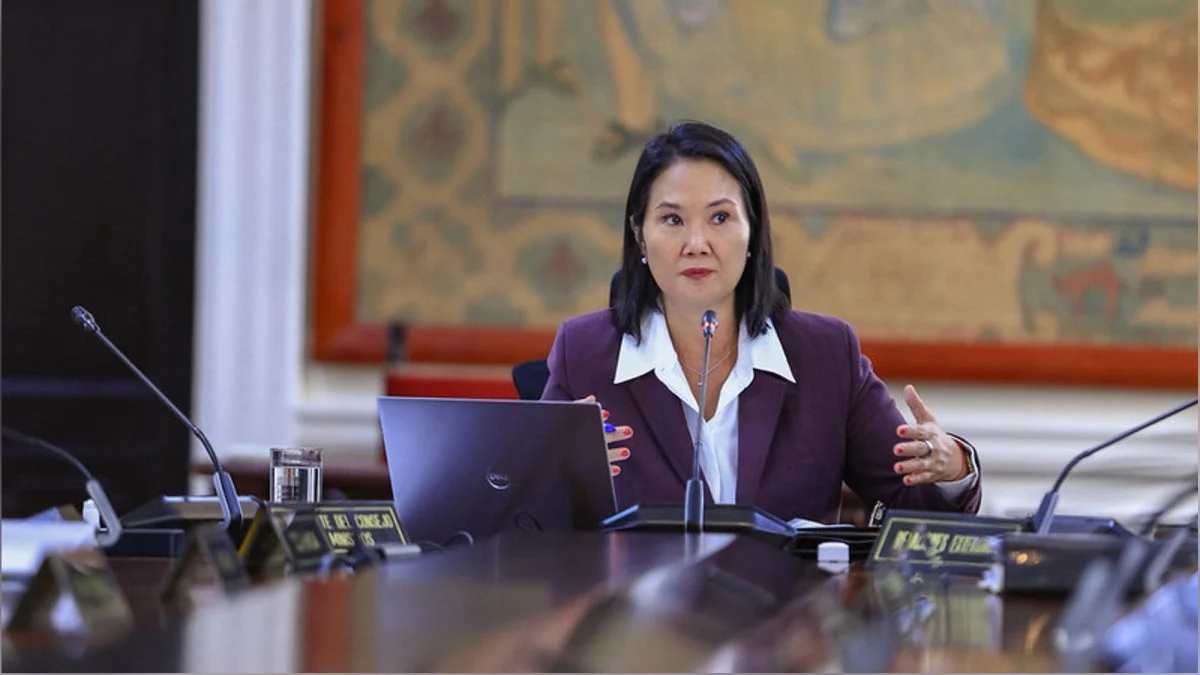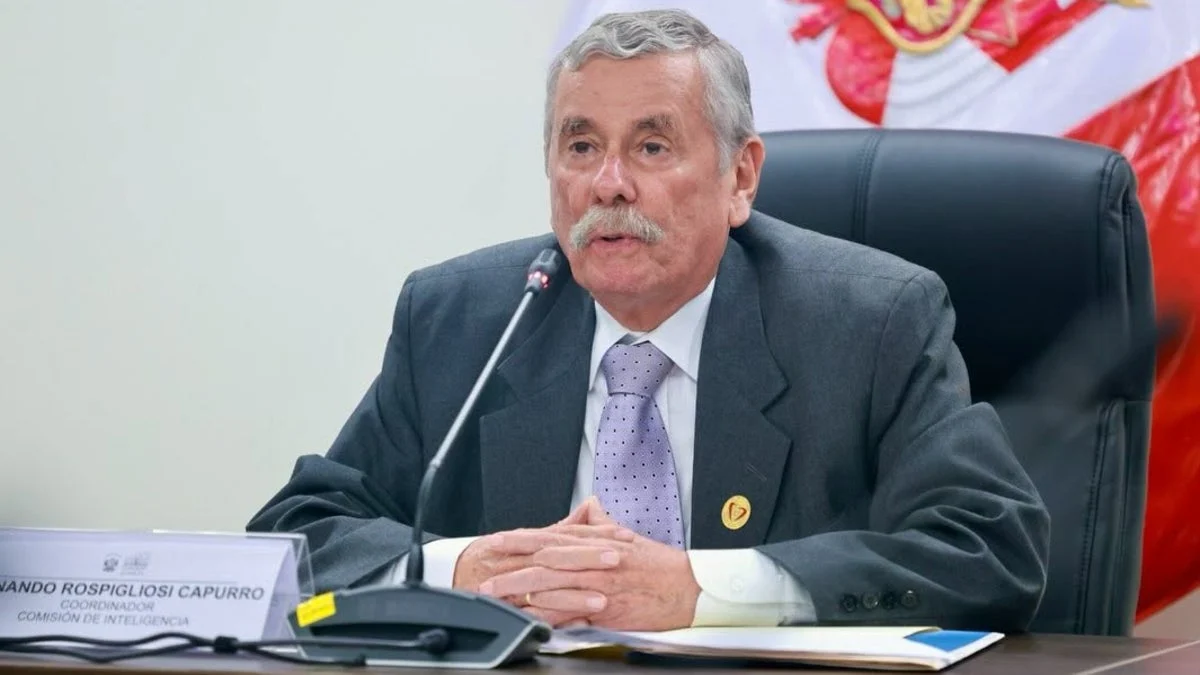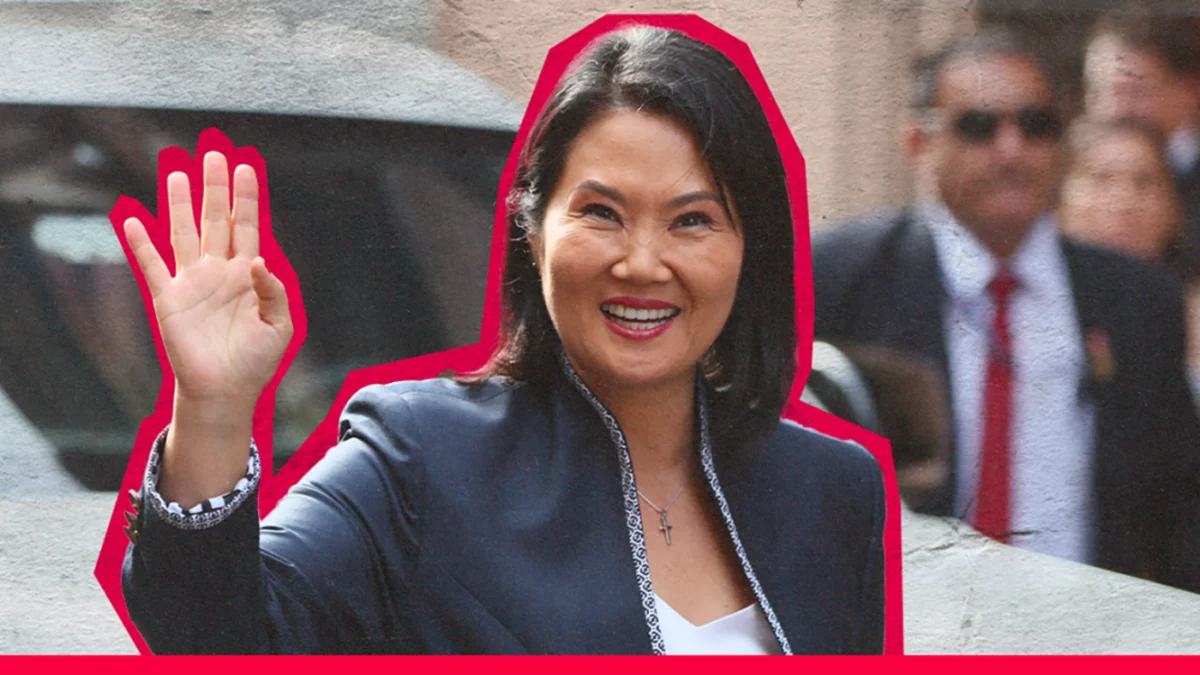
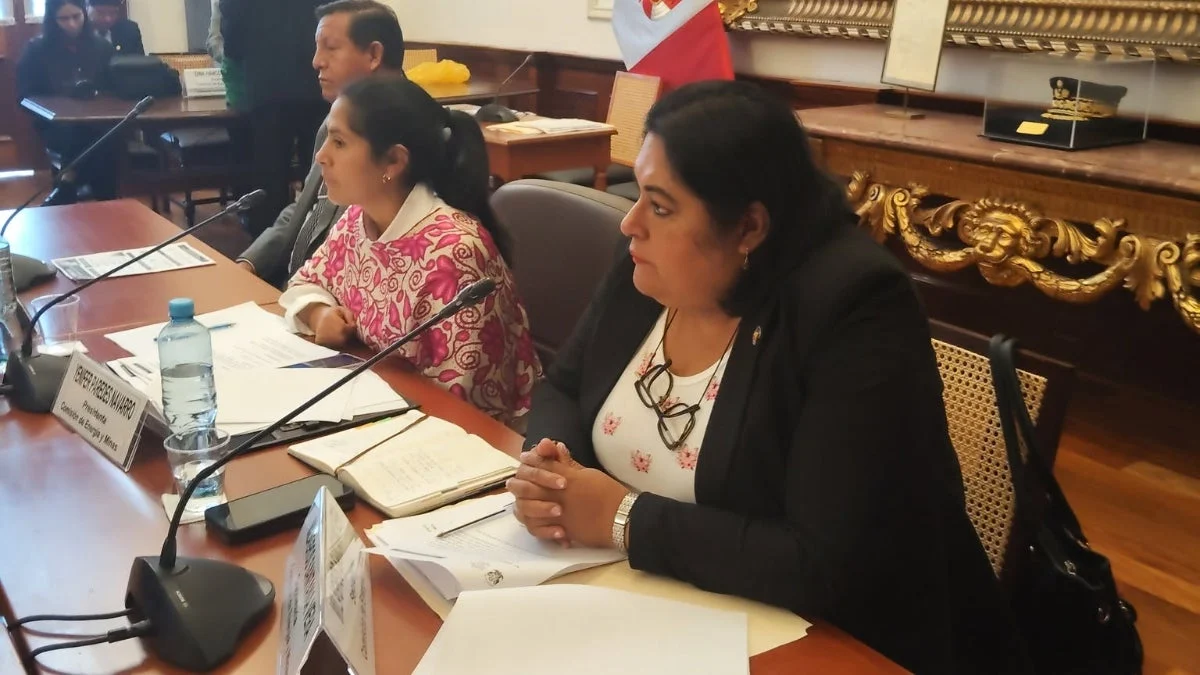
A storm of controversy has descended upon the office of Congresswoman Karina Santana Vera, representing the Lima Provincias constituency for the "Partido del Buen Gobierno." A sweeping investigation conducted by the investigative news program Panorama has brought to light a dual scandal: the discovery that a high-ranking advisor in her despacho fabricated a distinguished military career, and video evidence suggesting the congresswoman herself engaged in an abuse of authority during a municipal intervention in Huaral.
The revelations have sparked intense scrutiny regarding the vetting processes for legislative staff and the ethical conduct of elected officials when interacting with municipal authorities.
The Fabricated Career: A Case of Stolen Valor?
At the center of the first scandal is Luis Alberto Wurtelle Aguirre, who has served as the principal advisor to Congresswoman Santana Vera. Wurtelle Aguirre, who commanded a salary exceeding 10,000 soles per month—a significant sum funded by the public treasury—had presented himself as a highly decorated veteran of the Peruvian Navy.
The Myth vs. The Reality
On his official curriculum vitae and professional LinkedIn profile, Wurtelle Aguirre claimed to have graduated from the Naval Academy and served as an officer within the elite amphibious commando units between 1982 and 1991. To add an air of authenticity to these claims, he frequently shared photographs of himself dressed in official military attire, adorned with various insignias and medals.
However, the reality, as confirmed by an official communication from the Marina de Guerra del Perú, is vastly different. The institution clarified that Wurtelle Aguirre’s military involvement was limited to standard mandatory service, lasting less than two years.
"The aforementioned citizen performed military service from January 26, 1984, to November 7, 1985, at which point he was discharged with the rank of ‘seaman’ (marinero) due to the completion of his required term," the Navy stated in a formal response.
Expert Analysis of the Discrepancies
The deception was further unmasked by former Congressman and former General Commander of the Navy, José Cueto. Upon reviewing the photographic evidence provided by Wurtelle, Cueto identified glaring inconsistencies that would be obvious to any career officer.
Specifically, Wurtelle was seen wearing a combination of badges that are mutually exclusive or rank-inappropriate. These included the high-command insignia reserved for senior captains of ships and the trident badge of the United States Navy SEALs—an elite qualification that the advisor does not possess. When confronted by Panorama reporters regarding these discrepancies and his inability to verify his claimed service, Wurtelle Aguirre declined to provide details, stating, "I reserve the right [to remain silent] because I cannot provide information on the matter."
Academic Fraud
Beyond his military claims, the investigation revealed that Wurtelle Aguirre had listed three master’s degrees on his professional profile. A verification process conducted through the National Superintendence of Higher University Education (SUNEDU) and the National University of San Marcos confirmed that the advisor holds no registered academic degrees or professional titles, raising serious questions about the validity of his recruitment and the criteria used to place him in such a high-paying government position.
Chronology: From Legislative Offices to the Streets of Huaral
The exposure of the advisor’s credentials occurred in parallel with a separate, equally damaging incident involving the congresswoman. The following timeline captures the events that have led to the current political firestorm:
- 1984–1985: Luis Alberto Wurtelle Aguirre completes mandatory military service as a seaman.
- Recent Years: Wurtelle Aguirre builds a professional persona based on fabricated military experience, eventually securing the position of principal advisor to Congresswoman Karina Santana Vera.
- The Huaral Incident (Date not specified): Congresswoman Santana Vera’s vehicle is found parked in a restricted pedestrian area in the city of Huaral. Municipal inspectors, responding to citizen complaints, attempt to address the violation.
- The Confrontation: The congresswoman is filmed berating the municipal workers, threatening their employment status, and invoking her parliamentary immunity.
- Sunday, [Date of Report]: Panorama airs its comprehensive investigation, exposing both the fraudulent CV of the advisor and the video footage of the congresswoman’s behavior in Huaral.
- Post-Broadcast: The congresswoman attempts to distance herself from her advisor’s actions, claiming she was unaware of the fabrication, while simultaneously denying allegations of abuse of power.
The Huaral Incident: Abuse of Authority?
The video footage broadcast by Panorama shows an tense standoff between Congresswoman Santana Vera and local municipal fiscalizadores (inspectors). The dispute arose after the congresswoman’s vehicle was identified as illegally parked in a pedestrian zone, obstructing local commerce and foot traffic.
When municipal staff arrived to document the infraction, the congresswoman responded not with compliance, but with threats. The recording captures her telling the municipal officer: "Do not record me, because if you record me, you are going to lose your job. Unfortunately, by my investiture, it is my place to be here."
This interaction has been widely interpreted by legal experts and civil society groups as an attempt to intimidate public servants performing their routine duties. The assertion that her "investiture" exempts her from local traffic laws or allows her to threaten the livelihoods of municipal workers has triggered calls for an investigation by the Congressional Ethics Committee.
Official Responses and Justifications
Congresswoman Santana Vera’s Defense
In her response to the allegations, Congresswoman Santana Vera has adopted a strategy of partial accountability regarding her staff and total denial regarding her own conduct.
Regarding the hiring of Wurtelle Aguirre, she claimed that the decision was based on his purported background. "I understood that the gentleman was a person who had been in the Navy and had completed his military service, nothing more," she told Panorama. When pressed on the clear evidence of his false credentials, she added, "He puts it [on his resume] because he obtained it one way or another," a statement that has been criticized as an attempt to evade her responsibilities as an employer.
Regarding the Huaral incident, she maintained her innocence, framing the confrontation as a misunderstanding of her rights as a legislator. "I am not an abusive congresswoman, never. My parents taught me values and to be a humble person," she declared. She further argued that, in her view, only a traffic police officer—not a municipal fiscalizer—has the jurisdiction to fine her. "I have a clear conscience," she insisted.
Implications: A Call for Accountability
The scandal surrounding the office of Karina Santana Vera highlights several critical issues within the Peruvian political landscape:
- The Crisis of Oversight: The fact that a taxpayer-funded position was occupied by an individual with a falsified military record and no verified academic degrees suggests a failure in the administrative vetting process of the Congress. This raises the question: how many other advisors in the legislative branch are operating under fraudulent pretenses?
- Abuse of Immunity: The congresswoman’s comments in Huaral underscore a recurring issue in Peruvian politics: the perception that parliamentary immunity acts as a shield against the law rather than a mechanism to protect the legislative function. The use of one’s position to threaten the employment of a municipal worker is a clear violation of the ethical standards expected of a representative of the people.
- Public Trust: The "Partido del Buen Gobierno" now faces the challenge of addressing these allegations internally. With public trust in legislative institutions already at an all-time low, the failure to take decisive action against both the advisor and the congresswoman could further erode the electorate’s confidence in the political system.
As the Congressional Ethics Committee begins its preliminary assessments, the case of Karina Santana Vera and her advisor, Luis Alberto Wurtelle Aguirre, serves as a stark reminder of the necessity for transparency, integrity, and the rule of law in public service. The coming weeks will determine whether the institution will hold its members accountable or if this scandal will be relegated to the long list of unresolved political controversies in Peru.